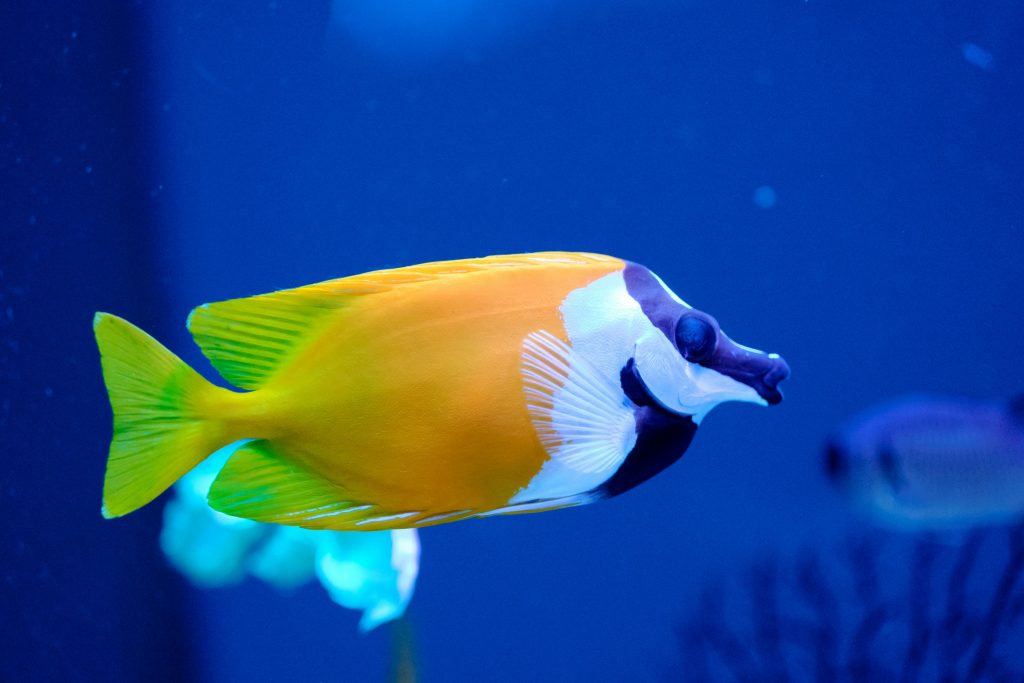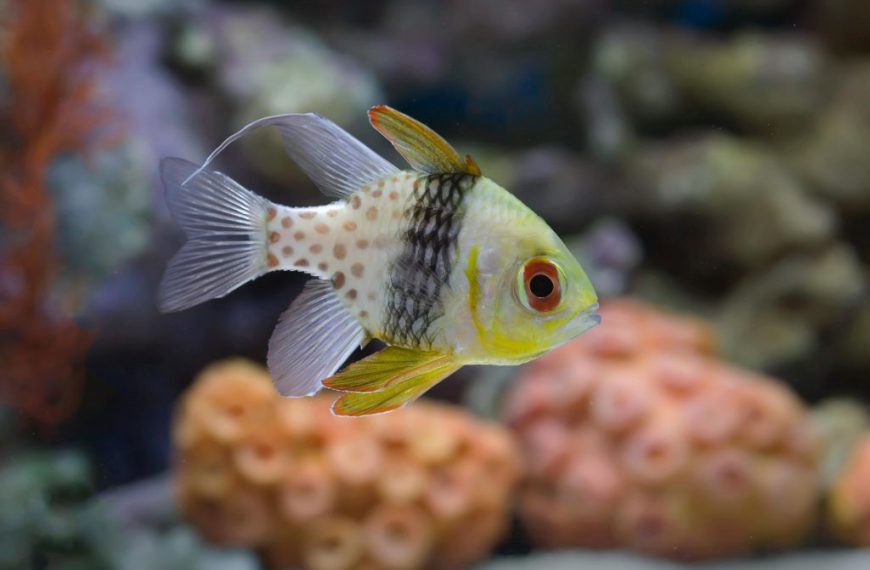
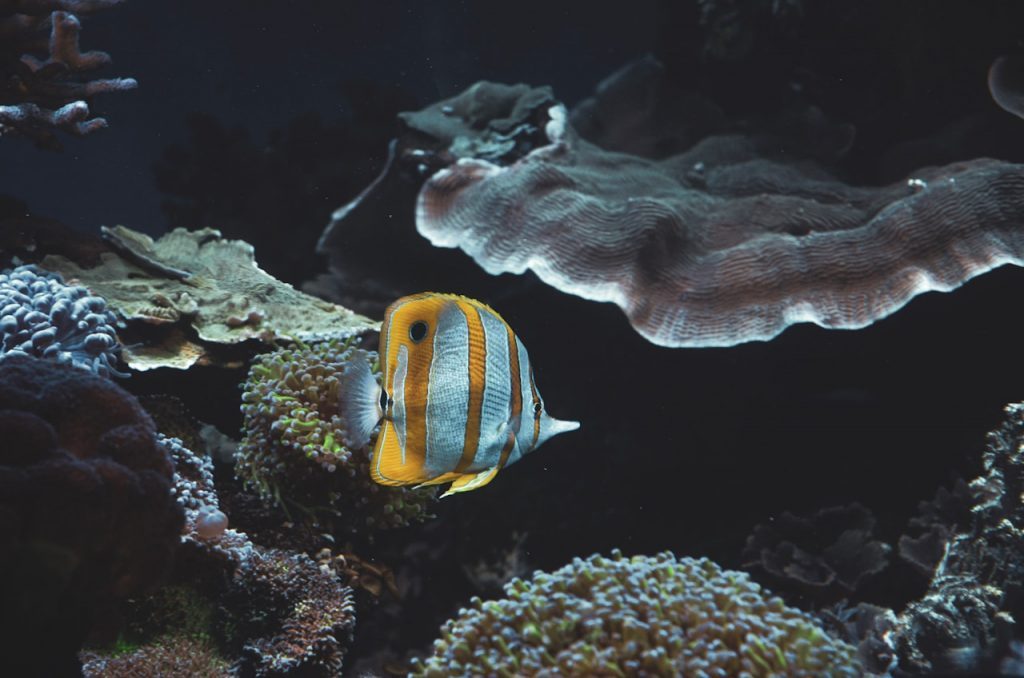
Butterflyfish are some of the most striking reef fish you can keep. They also demand planning and patience. Many losses come from poor tank fit and rushed feeding.
Choosing the right butterflyfish and tank setup
Start by picking species with better captive success. Many Chaetodon species nip corals and clam mantles. Some are hard to wean onto prepared foods. Research the exact species before buying.
Aim for a minimum of 75 gallons for most medium species. Use 120 gallons for larger or active swimmers. Provide 50 to 100 pounds of live rock in a 75. Build caves and arches for retreat.
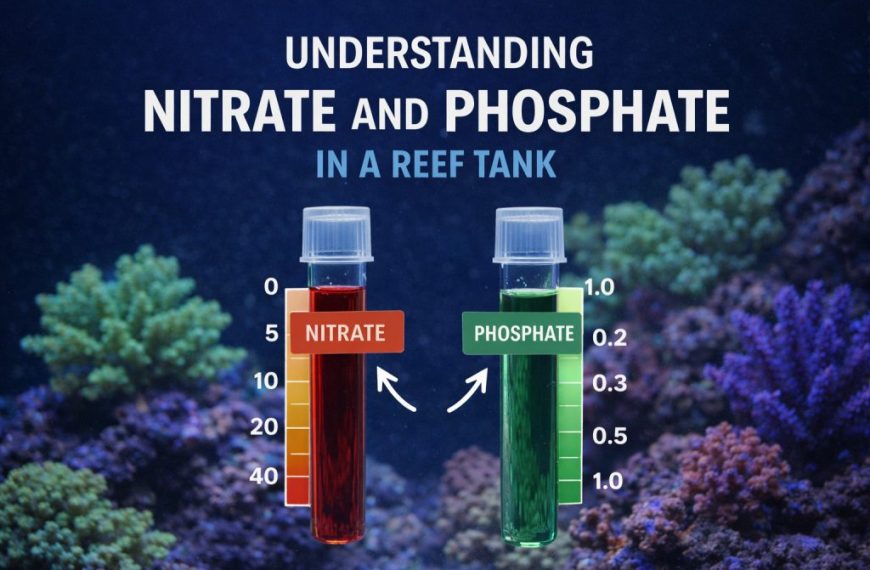
Keep water stable and oxygen-rich. Target 1.025 specific gravity, 77–79°F, and pH 8.1–8.4. Keep ammonia and nitrite at 0 ppm. Keep nitrate under 10–20 ppm for fish-only systems.
Butterflyfish startle easily, so reduce stress triggers. Add a tight lid since they can jump. Use moderate flow and calm zones behind rock. For more on stability, see marine aquarium water parameters.
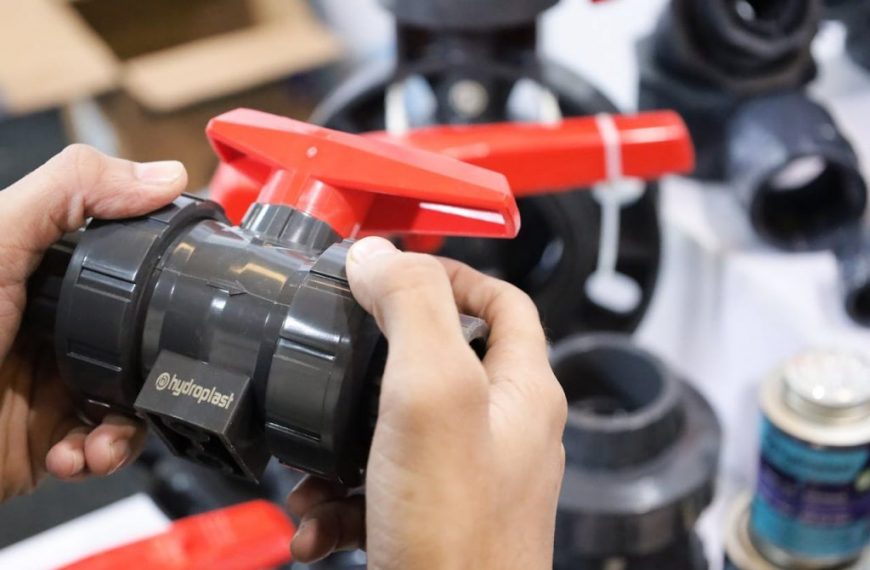
- Quarantine tank: 20–40 gallons with PVC hides and a seeded sponge filter.
- Lighting: moderate is fine, but provide shaded areas under rock.
- Tankmates: avoid aggressive triggers, large wrasses, and pushy tangs.
Feeding butterflyfish and getting them to eat
Feeding is the main challenge with butterflyfish. Many arrive thin and stressed from shipping. You need frequent, small meals to rebuild weight. Watch the belly line daily for improvement.
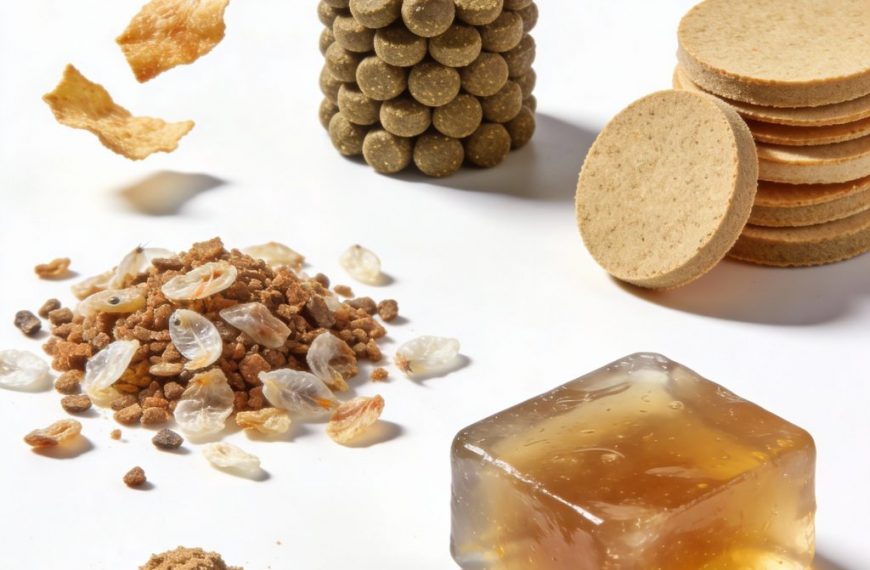
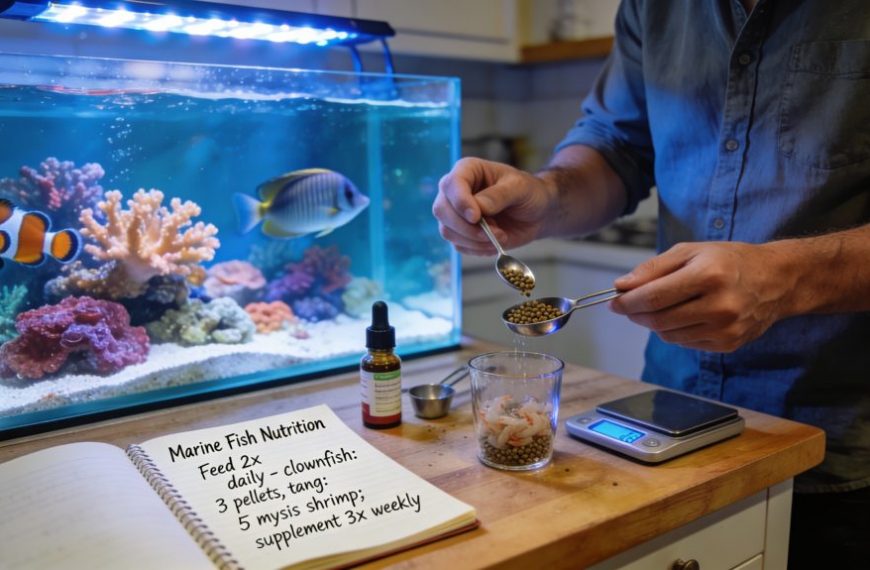
Offer food 2–4 times per day for the first two weeks. Start with frozen mysis, enriched brine, and chopped clam. Add finely chopped shrimp and squid for variety. Soak foods in vitamins two to three times weekly.
If a fish refuses frozen foods, use a “scent bridge.” Rub frozen food on a half shell clam. Clip it to a rock at mid level. Remove leftovers after 30–45 minutes to protect water quality.
Use a calm feeding station to reduce competition. Turn pumps down for 10 minutes during meals. Target feed with a turkey baster near the fish. For more tactics, read train marine fish to eat frozen food.
- Day 1–3: frozen mysis and clam-on-half-shell, twice daily.
- Day 4–14: increase to three or four feedings, smaller portions.
- Week 3+: mix in quality pellets once the fish eats aggressively.
Health, compatibility, and common mistakes
Butterflyfish are prone to ich and flukes. Quarantine for 30 days when possible. Observe breathing rate and fin condition daily. Scratching, cloudy eyes, and rapid breathing are early warning signs.
Freshwater dips can confirm flukes in some cases. Use matched temperature and pH, for 3–5 minutes. Stop if the fish rolls or panics. Follow with a proven quarantine plan and careful aeration.
Compatibility depends on your goals. Many butterflyfish are not reef safe with LPS, zoas, and clams. Some individuals behave better than others. Assume coral nipping will happen and plan a fish-only or FOWLR setup.
Common mistakes are easy to avoid with a checklist. Do not add them to new tanks under three months old. Do not keep them with fast, aggressive feeders. For quarantine basics, see marine fish quarantine setup.
- Test weekly: salinity, nitrate, and alkalinity for stability.
- Use a feeding log for the first month to spot missed meals.
- Keep a spare sponge filter cycling in your sump for emergencies.
Butterflyfish thrive when you match species to your tank and routine. Prioritize stable parameters, low stress, and frequent feeding. With quarantine and a patient approach, they can become long-term show fish.
Sources: Scott W. Michael, “Marine Fishes” (TFH); Fenner, “The Conscientious Marine Aquarist” (TFH); Humblefish disease and quarantine method summaries (general reference).

 By
By