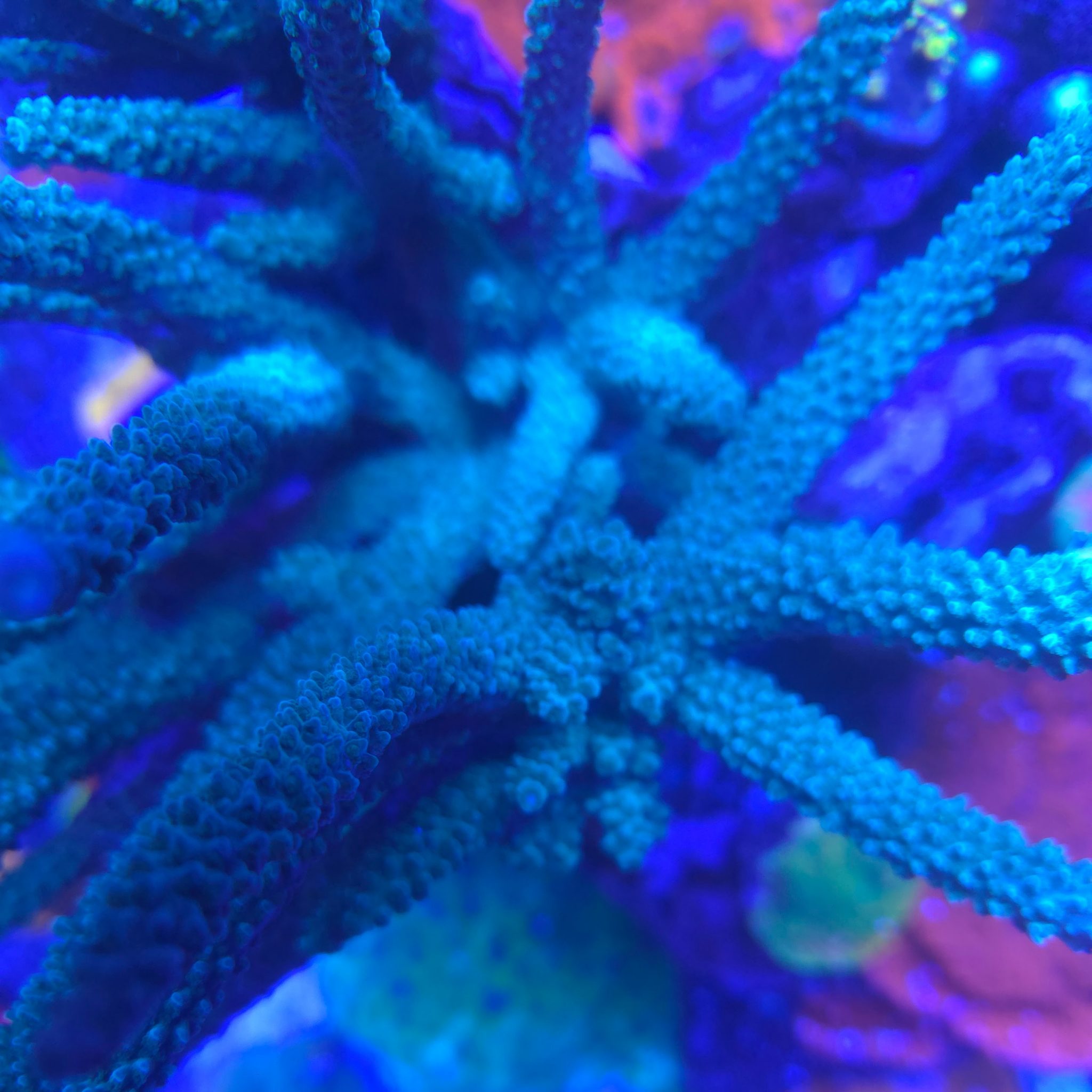
Bringing home a new coral is one of the most exciting parts of the saltwater aquarium hobby, but it’s also a delicate moment for the animal. Learning how to properly acclimate new corals helps reduce stress, avoid shock, and set them up for long-term success in your reef tank.
Before You Start: Prepare Your Reef for New Corals
Good acclimation actually starts before the coral arrives. Make sure your tank is stable and ready for new additions.
- Check water parameters: Temperature, salinity, alkalinity, calcium, magnesium, and nitrate should be stable and within reef-safe ranges.
- Turn down aggression: Plan coral placement away from stinging neighbors and aggressive LPS sweepers.
- Dim the lights: If you run strong LEDs, lower intensity or shorten the photoperiod for the first few days.
If you’re still fine-tuning your system, review your saltwater tank setup and ensure your filtration and flow are dialed in before adding sensitive corals.
Step-by-Step: How to Acclimate New Corals Safely
1. Float and Inspect
As soon as you get home, place the sealed coral bag in your display tank or sump to temperature acclimate for 15–20 minutes. While it floats:
- Visually inspect the coral for tissue damage, pests, or odd smells.
- Turn off bright lights or switch to a lower intensity channel to reduce stress.
2. Match Water Parameters (Drip Acclimation)
After temperature equalizes, open the bag and gently transfer the coral and its water into a small container. Use a drip line or airline tubing with a loose knot to slowly siphon tank water into the container.
- Aim for 30–60 minutes of slow dripping.
- Target about 2–3x the original bag volume in new tank water.
- Discard water if the container overfills and continue dripping.
Tip: If the shipping water smells very foul or looks extremely dirty, limit the time the coral spends in it. A shorter, careful acclimation may be safer than a long drip in bad water.
3. Dip for Pests and Pests Prevention
Coral dips help remove common hitchhikers like flatworms, nudibranchs, and parasitic snails. Follow the instructions on your preferred coral dip and use fresh tank water in a separate container.
- Dip for the recommended time only—overdipping can burn tissue.
- Gently swish the coral to dislodge pests.
- Rinse in a second container of clean tank water before placement.
For a deeper dive into keeping corals healthy long term, see our guide on coral care basics.
4. Place the Coral Low and Shaded at First
Even if your coral came from a high-light system, your spectrum and PAR are likely different. Start new corals:
- On the sand bed or lower rockwork.
- In moderate, indirect flow rather than blasting currents.
- In partial shade if you run intense lighting.
Over 1–2 weeks, gradually move the coral to its final position, watching for signs of stress like bleaching, receding tissue, or staying closed.
Aftercare: Monitoring and Fine-Tuning
The first week is crucial. Check your new coral daily:
- Polyp extension: Mild sulking is normal, but you should see improvement within a few days.
- Color: Fading or sudden whitening can signal too much light or unstable parameters.
- Neighbors: Watch for sweeper tentacles or chemical warfare from nearby corals.
Feed appropriate foods (like coral foods or fine particulate foods) sparingly at first, and maintain stable parameters. Consistency is more important than chasing “perfect” numbers. For more help balancing your reef system, check out our article on reef tank maintenance.
With a calm, methodical approach, you’ll acclimate new corals smoothly and give them the best chance to thrive. Over time, this routine becomes second nature—and your reef will reward you with healthier growth, better color, and fewer losses.
Sources
- Borneman, E. H. Aquarium Corals: Selection, Husbandry, and Natural History. TFH Publications.
- Delbeek, J. C., & Sprung, J. The Reef Aquarium series. Ricordea Publishing.
- Experienced reefkeeper best practices compiled from hobby literature and club discussions.
 By
By