
Algae is inevitable in a reef tank, but it doesn’t have to take over. The right herbivores can turn nuisance growth into a natural food source while helping you maintain a clean, vibrant display. Choosing species that are reef-safe, compatible, and suited to your tank size is key.
Top Herbivorous Fish for Reef Aquariums
Tangs and Surgeonfish
Tangs are classic reef herbivores, constantly grazing on film and hair algae. They do best in longer tanks with plenty of swimming room and rockwork.
- Kole Tang (Ctenochaetus strigosus) – Excellent film algae grazer; ideal for medium-sized reefs.
- Tomini Tang (Ctenochaetus tominiensis) – Stays relatively small and is often less aggressive than larger tangs.
- Yellow Tang (Zebrasoma flavescens) – Iconic and active; great for larger, established systems.
To keep tangs healthy and peaceful:
- Provide at least a 4-foot tank for smaller species; 5–6 feet for larger ones.
- Offer dried nori or macroalgae on a clip several times per week.
- Introduce more aggressive species last to reduce territorial issues.
For more on building a stable fish community, see our guide on reef tank stocking strategies.
Blennies and Rabbitfish
Algae blennies and rabbitfish are underrated powerhouses for controlling nuisance growth.
- Starry Blenny (Salarias ramosus) – Constant rock grazer; great personality and usually reef-safe.
- Tailspot Blenny (Ecsenius stigmatura) – Small, peaceful, and ideal for nano to mid-sized reefs.
- One Spot Foxface (Siganus unimaculatus) – Eats film, hair, and some macroalgae; best for larger tanks.
Rabbitfish have venomous spines, so handle with care and provide plenty of hiding spots. Always research each species’ maximum size and temperament before adding it to your system.
Clean-Up Crew Herbivores: Snails, Crabs, and More
Essential Snails for Algae Control
Snails are the backbone of many reef clean-up crews. Different species target different types of algae and surfaces.
- Trochus Snails – Great for glass and rock; they can right themselves if flipped.
- Astrea Snails – Strong film algae grazers, but may need help if they fall upside down.
- Nassarius Snails – Not algae eaters, but crucial scavengers that help prevent excess nutrients.
For a deeper dive into building a balanced crew, check out our article on choosing a reef clean-up crew.
Crabs, Urchins, and Specialty Grazers
Beyond snails, a few invertebrates can dramatically improve algae control when used thoughtfully.
- Emerald Crabs (Mithraculus sculptus) – Known for eating bubble algae, though individuals vary.
- Tuxedo Urchin (Mespilia globulus) – Excellent hair algae grazer; may pick up loose decor as camouflage.
- Sea Hares – Powerful hair algae eaters, but best for experienced hobbyists and temporary use.
Tip: Add herbivores slowly and observe. An oversized clean-up crew can starve once the initial algae bloom is gone.
Choosing the Right Mix for Your Reef
The best herbivore lineup depends on your tank size, aquascape, and algae type. A balanced approach often includes:
- 1–2 herbivorous fish (appropriate for tank volume).
- A diverse group of snails targeting glass, rock, and sand.
- Selective use of crabs or urchins for problem algae.
Remember, herbivores support good husbandry; they don’t replace it. Strong nutrient export, proper lighting, and stable parameters are still essential. For help dialing in your system, see our overview of reef tank maintenance checklist.
With the right mix of herbivores and solid tank management, algae becomes a manageable part of your reef’s ecosystem instead of a constant battle.
Sources
- Michael, S. (2001). Reef Fishes: A Guide to Their Identification, Behavior & Captive Care.
- Sprung, J. (2002). Invertebrates: A Quick Reference Guide.
- Fenner, R. (2008). The Conscientious Marine Aquarist.
Was this helpful?
Related Posts
Reef Tank Filtration Options
Learn the best reef tank filtration options, how each method works, and how to build a stable system…
 By
By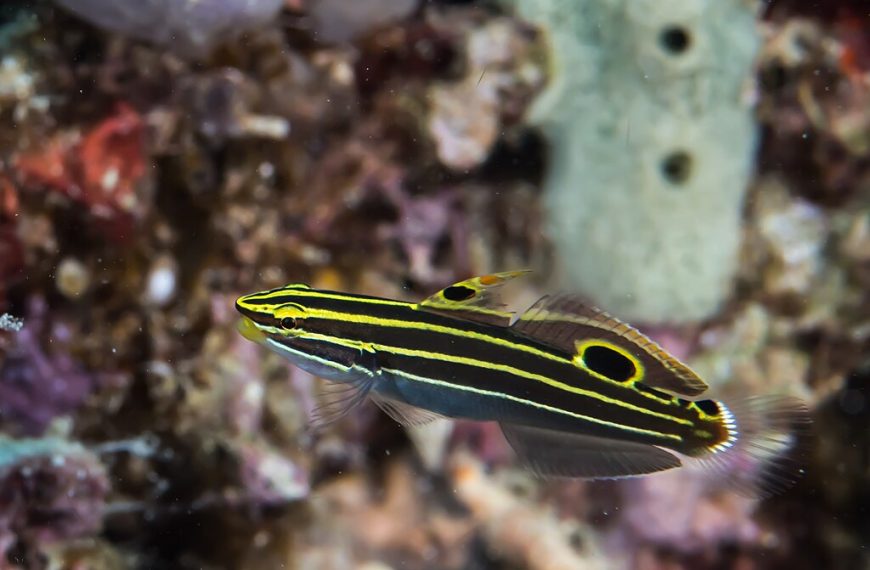
Hectors Goby (Koumansetta Hectori)
Hector’s goby is a peaceful, reef-safe sand sifter that thrives in mature tanks with fine sand, stable water,…