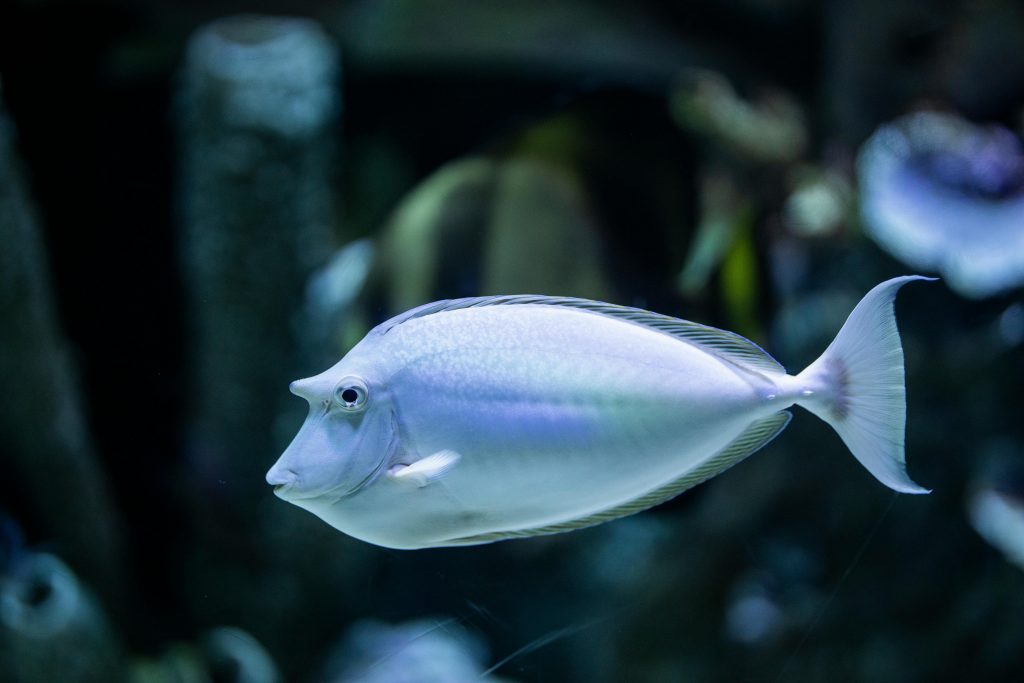
Blue Unicorn Tangs are bold, fast swimmers with a calm attitude. They look simple at first. Then the face markings and tail streamers mature and steal the show.
This fish is not hard to keep. It is hard to house well. Plan for size, oxygen, and stable water from day one.
Tank size, aquascape, and water targets
Start with a large system. A 180-gallon tank is a practical minimum for adults. Many keepers prefer 240 gallons or more. Adults can reach 18 to 20 inches in length.
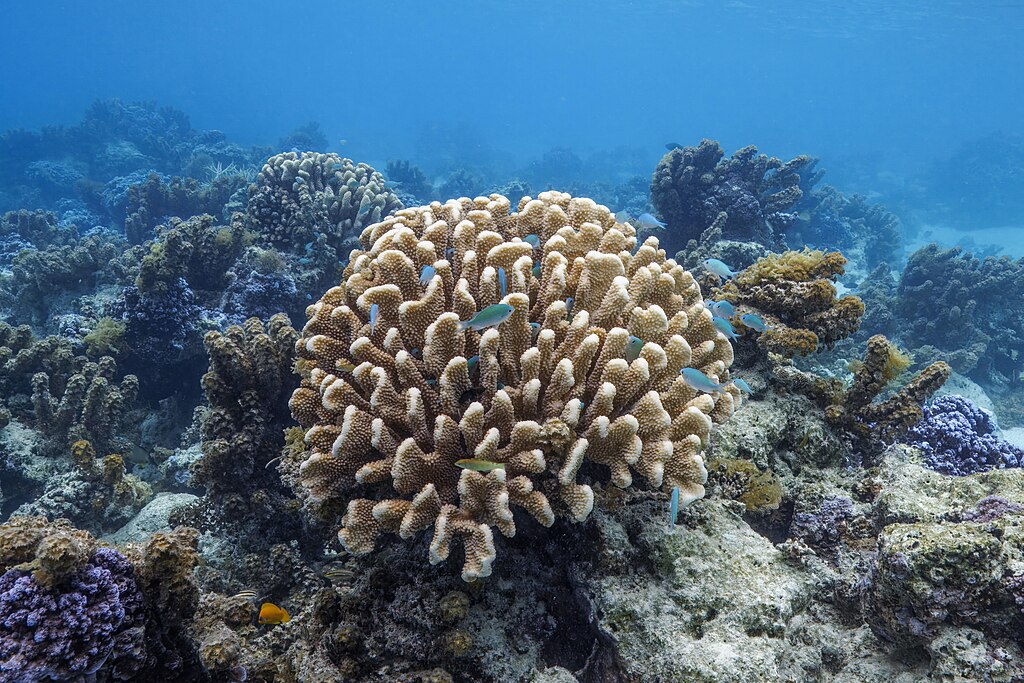
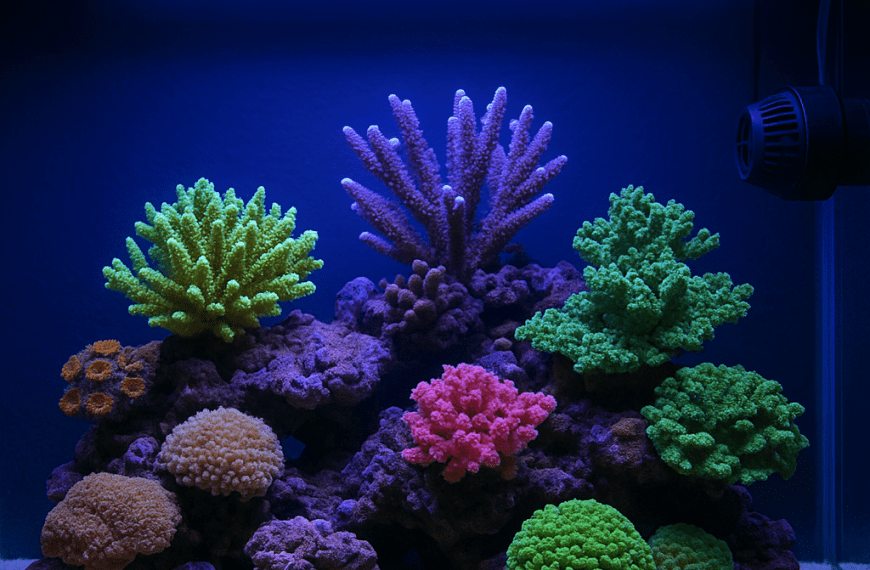
Give long, open lanes for cruising. Build two rock islands with a sandy channel between them. Leave at least 60% of the front glass open. Add caves for night resting.
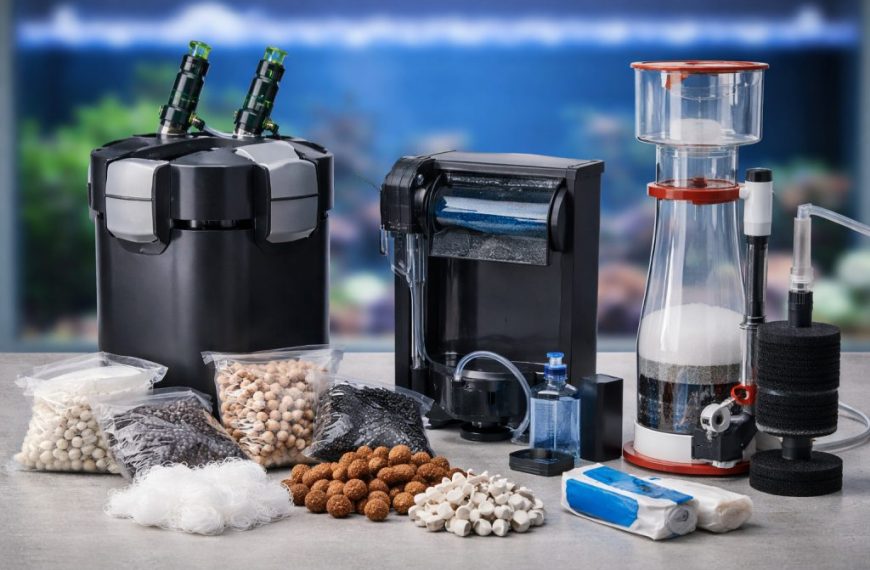
Keep oxygen high and waste low. Use strong surface agitation and a skimmer rated for 1.5 to 2 times volume. Aim for 20 to 40x total flow per hour. Add a refugium if nutrients climb.
Targets should stay steady. Keep salinity at 1.025 to 1.026 and temperature at 76 to 78°F. Hold pH at 8.1 to 8.4 and alkalinity at 8 to 9 dKH. Keep ammonia and nitrite at 0. Keep nitrate at 5 to 20 ppm and phosphate at 0.03 to 0.10 ppm.
- Use a tight lid or mesh top to prevent jumps.
- Run carbon if you see yellow water or odor.
- Do weekly 10% water changes in the first three months.
For setup help, review our reef tank water parameters guide. It helps you spot drift before fish react.
Feeding plan for long-term health and color
Blue Unicorn Tangs are omnivores with a strong algae bias. Feed small portions two to three times daily. Underfeeding often leads to head and lateral line erosion. It also increases aggression at feeding time.
Use a simple schedule. Offer nori or red algae sheets in the morning. Clip it near their favorite swim lane. In the evening, feed frozen mysis or brine enriched with vitamins. Add a quality pellet once daily for consistency.
Soak foods when stress is high. Use a vitamin supplement two to three times weekly. Add a little garlic only as an appetite aid. Do not rely on it for disease control.
Watch the belly line after meals. A healthy fish looks full but not bloated. Stringy white waste can signal poor diet or parasites. Reduce pellets and increase algae and sponge-based foods for a week.
- Keep dried algae available for 6 to 8 hours daily.
- Rinse frozen foods to cut phosphate spikes.
- Rotate foods weekly to prevent nutrient gaps.
If you struggle with nutrient control, see our reef tank feeding strategies article. It includes portion guides and export tips.
Quarantine, compatibility, and common problems
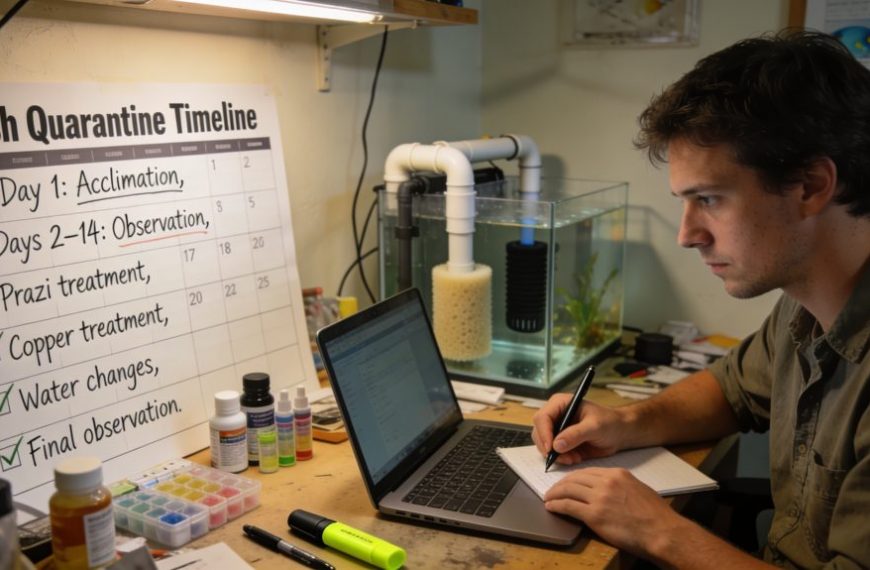
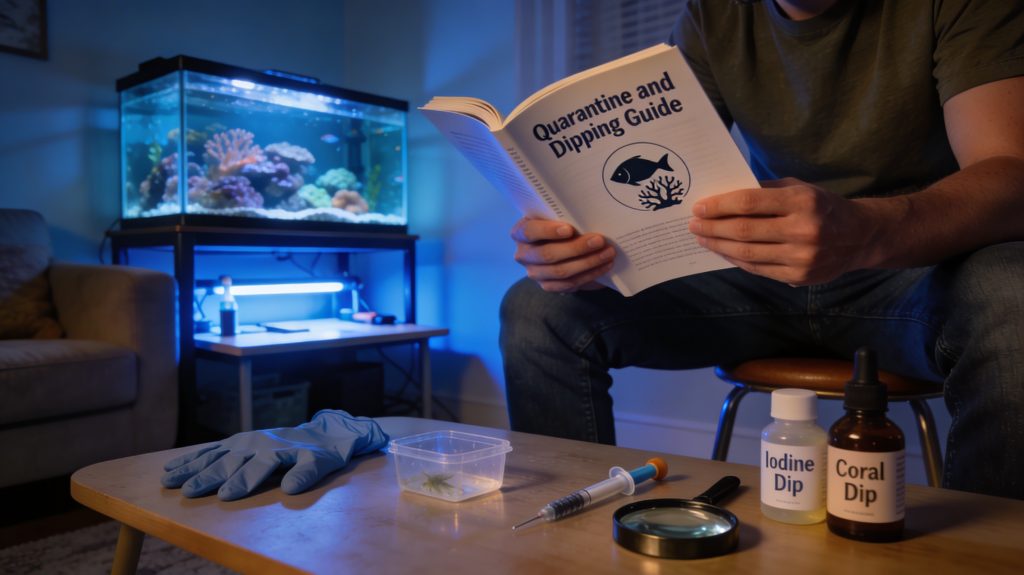
Quarantine is strongly recommended for this species. Tangs often carry ich and flukes. Use a 40 to 75-gallon quarantine tank for juveniles. Add PVC elbows for shelter and a cycled sponge filter.
A solid baseline plan is 30 days in quarantine. Observe for spots, flashing, and heavy breathing. Treat flukes with praziquantel if symptoms appear. If ich appears, use a proven protocol and finish the full course.
In display tanks, they are usually reef safe. They may nip at some macroalgae. They can bully other tangs in smaller tanks. Add them last when possible. Introduce with an acclimation box for 3 to 7 days.
Common mistakes are simple. People buy small juveniles for a 125-gallon tank. They outgrow it fast. Others run low flow and low oxygen at night. That can cause rapid breathing and surface gulping.
- Turn pumps toward the surface at night for better gas exchange.
- Use a mirror trick for two days to spread aggression.
- Check for stray voltage if fish scratch without spots.
For step-by-step isolation, read our marine fish quarantine protocol. It covers equipment, timelines, and red flags.
Blue Unicorn Tangs reward patience and planning. Give them space, oxygen, and frequent greens. Quarantine carefully and keep parameters stable. You will get a calm centerpiece fish that thrives for years.
Sources: FishBase (Naso brevirostris species summary); Scott W. Michael, “Marine Fishes”; Fenner, “The Conscientious Marine Aquarist”; Humblefish disease management articles (general marine fish health).
 By
By