Sand can make or break a reef tank’s look and function. The right grain size supports biology and keeps detritus manageable. This guide helps you choose sand that fits your livestock and maintenance style.
Start with grain size and tank goals
Grain size drives flow, cleanliness, and animal choices. Fine “sugar” sand is usually 0.2–1.0 mm. It looks natural and suits burrowers. It can shift in strong flow. It can also form dunes near powerheads.
Medium sand is often 1–2 mm. It stays put better under 30–60x turnover. It still supports worms and pods. It traps less detritus than very fine beds. Many mixed reefs do well with this middle ground.
Coarse sand and crushed coral are often 2–5+ mm. They resist blowing around. They also catch food and waste fast. Nitrate can creep up if you do not vacuum often. They can scratch sand-sifting fish and gobies.
Pick sand based on your plan. A high-flow SPS reef often prefers medium grains. A lagoon or LPS reef can use finer sand. A bare-bottom tank can still add a small sand box. That helps wrasses and gobies.
- High flow (30–60x): target 1–2 mm grains to reduce sandstorms.
- Burrowing fish: favor 0.5–1.5 mm and avoid sharp crushed coral.
- Low maintenance: avoid 3–5 mm beds unless you vacuum weekly.
For planning, review your reef tank flow guide. Match sand choice to pump placement. Small adjustments prevent constant drifting.
Choose material, depth, and how much to buy
Most reef sands are aragonite-based. Aragonite can dissolve slowly in low pH zones. That can help buffer alkalinity a bit. It will not replace dosing. It can still add stability in a mature bed.
“Live sand” is usually bagged wet sand with bacteria. It can speed early cycling. It can also add nutrients in some tanks. Dry sand is cheaper and predictable. You can seed it with a cup from a trusted tank.
Depth matters as much as material. A shallow bed is 1–2 inches. It is easy to keep clean. A deep sand bed is 4–6 inches. It can support denitrification. It needs careful stocking and gentle stirring only at the surface.
Use a simple sizing rule. For most reefs, plan 0.8–1.2 pounds per gallon. That gives about 1–2 inches in standard tanks. A 40-gallon breeder often needs 40–50 pounds. A 75-gallon often needs 70–90 pounds.
- Shallow bed: 1–2 inches for easy siphoning and stable nutrients.
- Deep bed: 4–6 inches only if you understand long-term risks.
- Rinse dry sand until water runs almost clear before adding.
Before you commit, read our cycling a reef tank walkthrough. Sand choice affects early bacteria growth. It also affects how you manage diatoms.
Prevent common problems and tune your maintenance
Cloudy water is common after adding sand. Use a filter sock or floss for 24–72 hours. Run carbon if the water smells “earthy.” Keep pumps aimed slightly up during the first day. That prevents a sandstorm.
Detritus pockets cause most sand-bed complaints. Feed less if waste builds up. Target nitrate at 2–15 ppm for mixed reefs. Keep phosphate around 0.03–0.10 ppm. Test weekly during the first two months.
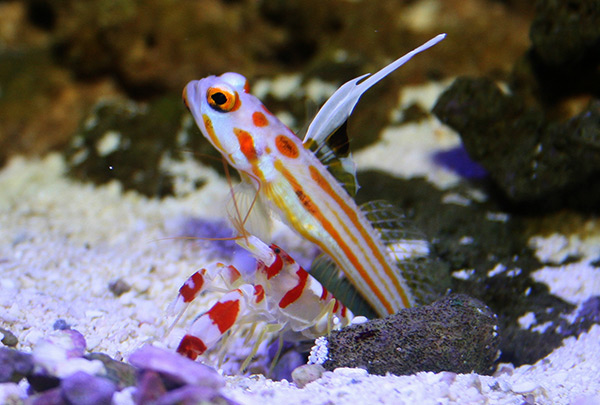
Sand-sifting animals help, but they are not a vacuum. Nassarius snails stir the top layer well. A fighting conch can clean film algae. Many sand-sifting starfish starve in small tanks. Avoid them under 100 gallons.
When you siphon, focus on the surface. Do not deep-stir a mature bed. That can release hydrogen sulfide zones. If you must change sand, do it in sections. Replace 25% per week for four weeks.
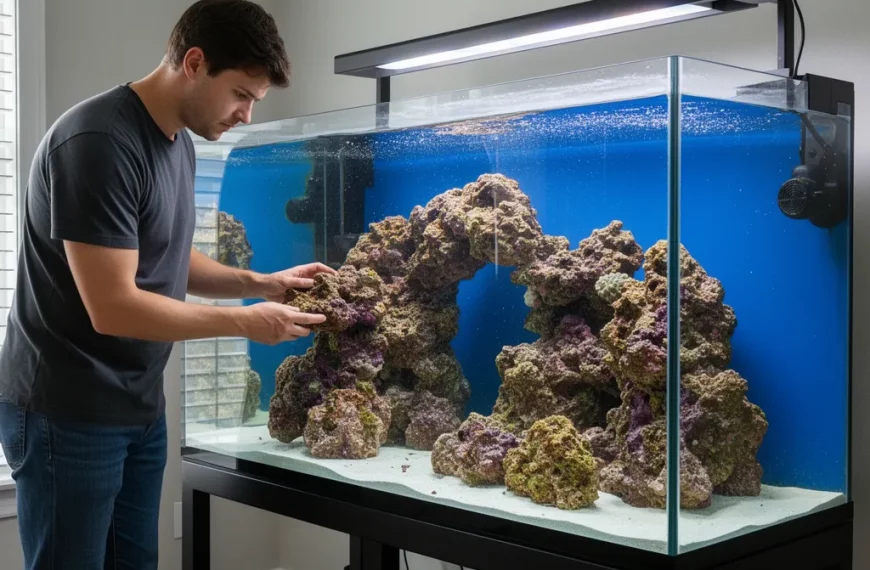
- Place rock on the glass, then add sand around it for stability.
- Add a “sand moat” around rocks to reduce detritus traps.
- Use a turkey baster weekly to lift waste into the water column.
For nutrient control, see our nitrate and phosphate control guide. Sand choice is only one part of the system. Skimming and flow still matter.
Choosing sand is about matching your animals, flow, and habits. Start with a 1–2 inch aragonite bed in 0.5–2 mm grains for most reefs. Then adjust based on how your tank collects waste and how you like to clean.
Sources: Delbeek & Sprung, The Reef Aquarium (Vol. 1–3); Fenner, The Conscientious Marine Aquarist; Borneman, Aquarium Corals; Holmes-Farley, articles on reef chemistry and substrates.
 By
By