Coral Placement Chart for Beginners
Good coral placement keeps your reef healthy and stable. Poor placement causes stress and slow growth. This guide explains a simple coral placement chart for beginners. Use it to plan your rockwork and stocking list.
Think of your tank in three main zones. Top, middle, and bottom. Each zone has different light and flow. Match each coral to the right zone. Your success rate will improve quickly.
Understand Your Tank Zones
Before placing corals, learn your tank’s light and flow pattern. Use your reef lights’ PAR map if available. You can also test with a PAR meter from a local club. Watch where detritus settles. That shows low flow areas.
- Top zone: Strong light, strong to moderate flow.
- Middle zone: Moderate light, moderate flow.
- Bottom zone: Low to moderate light, gentle flow.
Sketch your rockwork on paper. Mark each zone. This becomes your personal coral placement chart.
Simple Coral Placement Chart
Use this basic chart for common beginner corals. Always adjust for your specific tank.
Top Zone (High Light, Higher Flow)
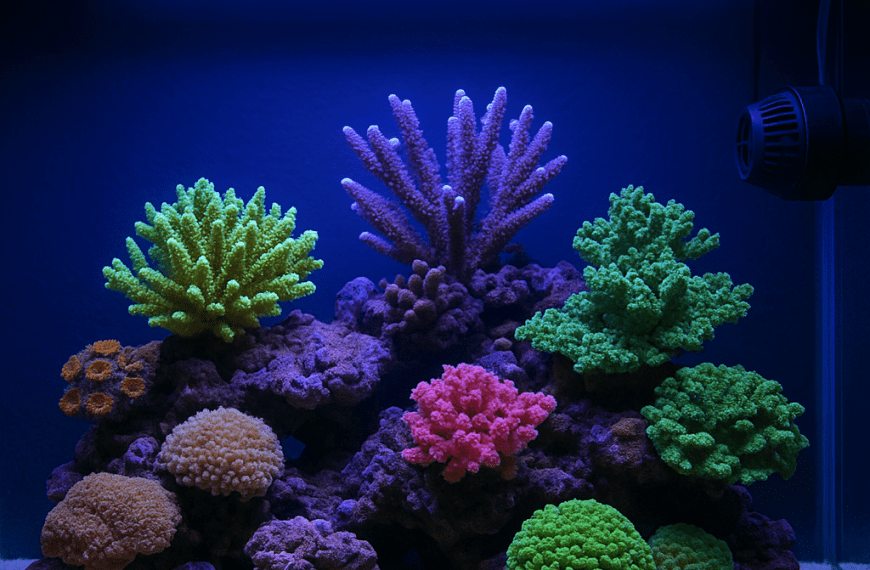
- Small polyp stony (SPS) corals: Acropora, Montipora, Stylophora.
- Place on stable rock ledges or peaks.
- Avoid shadowed overhangs in this zone.
- Give several inches between colonies for growth.
Middle Zone (Medium Light, Medium Flow)
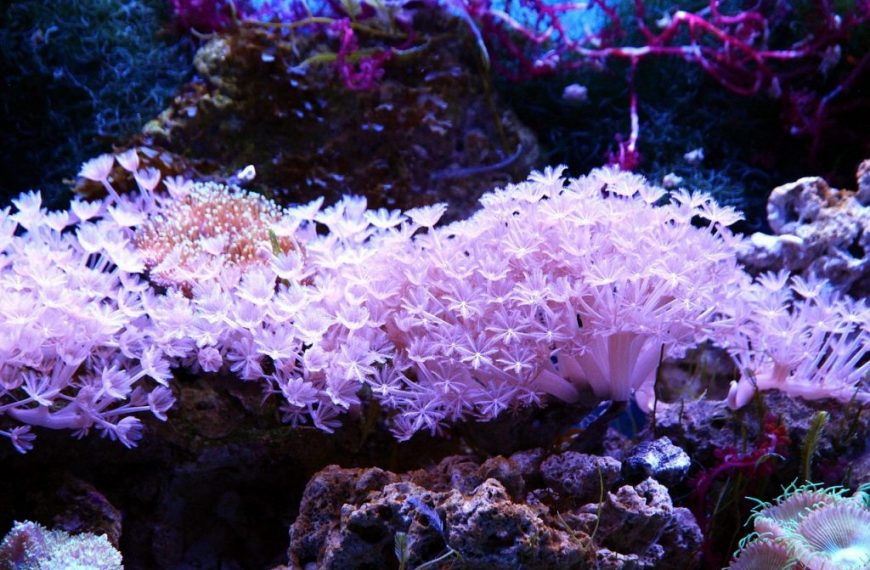
- LPS corals: Hammer, frogspawn, torch, candy cane.
- Place on secure rock shelves or mid-height islands.
- Keep sweeper tentacles in mind for euphyllia corals.
- Leave space away from delicate neighbors.
Bottom Zone (Low to Medium Light, Gentle Flow)
- Soft corals: Zoanthids, mushrooms, leathers, Kenya tree.
- LPS with softer light needs: Acanthastrea, blastos, some brains.
- Place on sand bed or low rocks.
- Avoid burying fleshy bases in sand.
Practical Placement Tips
Start all new corals lower than recommended. Then move them up slowly over weeks. Watch for signs of stress. Bleaching, tissue recession, or closed polyps mean too much light or flow.
- Use a coral rack for new pieces and observation.
- Glue frags to small rubble, not directly to main rock.
- Test placement for a few days before final gluing.
- Keep aggressive corals downwind of peaceful ones.
Plan coral groupings by temperament. Keep stinging LPS away from delicate SPS. Place fast-growing soft corals where you can trim easily.
Next Steps and Helpful Resources
Once you understand basic zones, refine your chart by species. Track what works in your tank. Keep notes on PAR, height, and flow for each coral. Over time, you will build a custom placement guide.
For more help, check our guide on beginner reef tank setup. You can also learn about reef lighting basics to fine tune PAR levels. When you are ready to add more life, read our tips on easy corals for small reef tanks.
Sources
- Tidal Gardens. Coral care guides and placement notes.
- Bulk Reef Supply. Educational videos on lighting and coral acclimation.
- WWC and other major coral vendors. Species-specific placement recommendations.
 By
By