Coral quarantine stops pests before they reach your display. Dips add another layer of protection. This guide gives a simple, repeatable process for most reef tanks.
Why quarantine matters and what to watch for
Many coral problems hitchhike on plugs and frag bases. Eggs often survive a single dip. Quarantine gives you time to spot them. It also lets the coral recover from shipping stress.
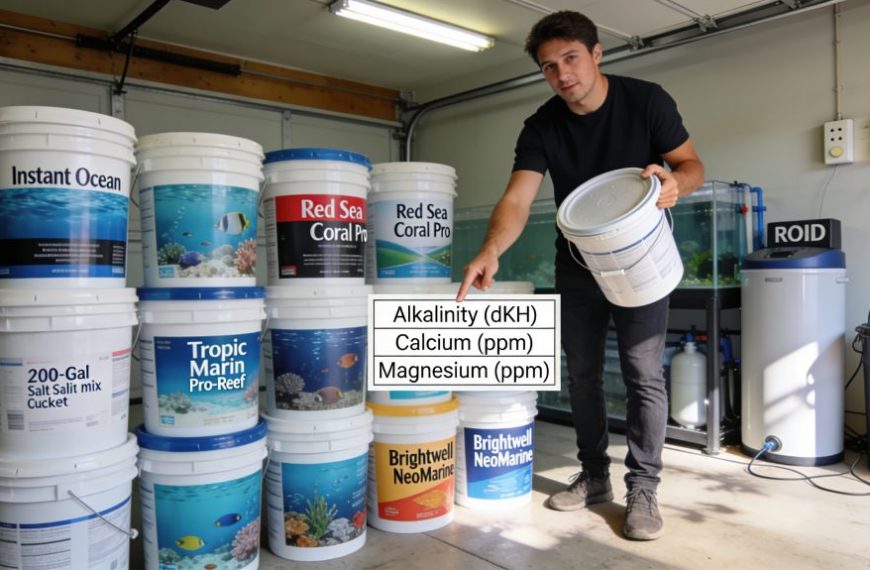
Set up a small QT tank that matches your display. A 10 to 20 gallon tank works well. Use a heater, small powerhead, and a simple light. Add a lid to slow evaporation. Keep salinity at 1.025 to 1.026. Hold temperature at 77 to 79°F. Keep alkalinity stable at 8 to 9 dKH.
Skip sand and live rock in coral QT. Bare bottom makes pests easier to see. Use clean frag racks and removable tiles. Run carbon after dips to reduce residues. Do not share tools with the display. If you need a baseline, review your reef tank water parameters.
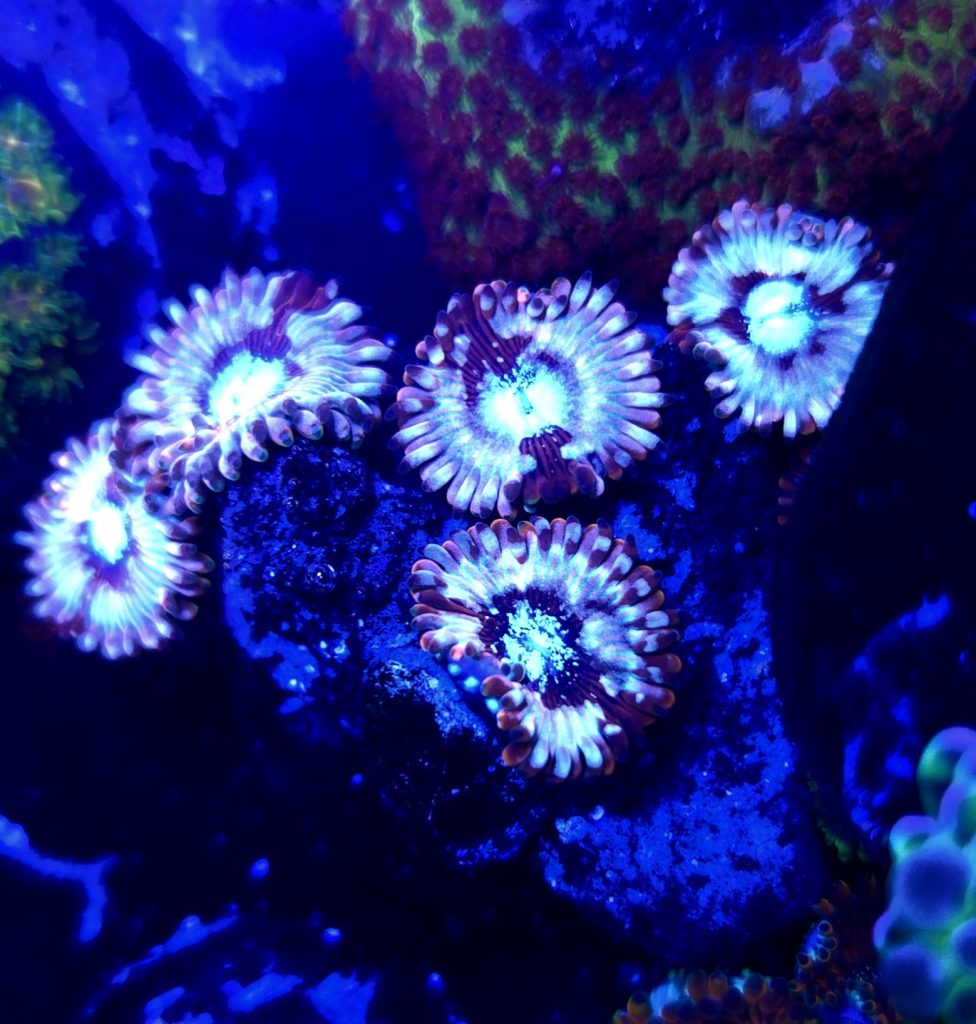
Inspect for common pests during the first week. Look for flatworms on LPS and zoas. Watch for nudibranchs on zoanthids. Check for red bugs and AEFW on Acropora. Also watch for vermetid snails and aiptasia. Use a flashlight and a magnifier each night.
- Plan on a 2 to 4 week QT for most frags.
- Inspect every 2 to 3 days for eggs and bite marks.
- Record alkalinity daily for the first week.
Step-by-step dipping workflow that actually works
Use a three-container station next to the QT. Container one is dip solution. Container two is rinse water. Container three is a second rinse. Match salinity and temperature in all containers. This avoids shock and tissue loss.
Start with a visual inspection and a baste. Use a turkey baster to blow between branches. Remove the frag plug when possible. Many eggs sit on the underside of plugs. Re-mount the coral on a clean plug or tile. This step prevents repeat infestations.
Choose a dip based on coral type and risk. For mixed frags, many hobbyists use iodine or a commercial coral dip. Follow the label dose exactly. Typical dip times run 5 to 10 minutes. Keep flow moving in the dip container. Swirl the coral every minute. Then rinse twice before QT placement.
Use targeted dips for known pests. For Acropora, consider an additional dip cycle every 5 to 7 days. This helps catch hatchlings. For zoanthids, watch for nudibranch eggs and scrape them off. For LPS, avoid harsh dips and long exposure. Tissue can tear easily during handling.
- Mix dip water from QT water, not fresh saltwater.
- Use gloves and eye protection during dips.
- Label tools “QT only” to prevent cross contamination.
QT care, troubleshooting, and common mistakes
After dipping, place corals on a rack with moderate flow. Start light lower than your display. Aim for 30 to 50% of normal intensity. Increase by 5 to 10% every 3 to 4 days. This prevents bleaching. It also reduces algae growth on stressed tissue.
Feed lightly in QT, but keep nutrients stable. Target nitrate at 2 to 10 ppm. Keep phosphate at 0.03 to 0.10 ppm. Use small water changes, like 10% twice weekly. Test alkalinity often, since small tanks swing fast. If you struggle with stability, review reef tank maintenance schedule.
When pests appear, act fast and repeat the cycle. For flatworms, increase inspection frequency and dip again in 5 days. For aiptasia, remove the frag and scrape the base. Do not treat aiptasia in QT with fish present. Some chemicals harm coral tissue. If you see tissue recession, check temperature swings first.
A common mistake is trusting a single dip. Eggs often survive. Another mistake is matching only salinity, not temperature. A 2°F drop can stress SPS frags. Also avoid adding “seed” rock from the display. It can import pests back into QT. For safer acclimation ideas, see how to acclimate corals.
- If polyps stay closed, reduce light and increase flow slightly.
- If algae blooms, cut feeding and add fresh carbon.
- If alkalinity swings, dose in small daily amounts.
Coral quarantine takes time, but it saves entire collections. Use dips as a tool, not a shortcut. With steady parameters and repeat inspections, you can add new frags with confidence.
Sources: Borneman, E. (2001) Aquarium Corals; Delbeek & Sprung (1994) The Reef Aquarium Vol. 1; Humblefish Coral QT and Pest ID references (printouts and community summaries).
 By
By