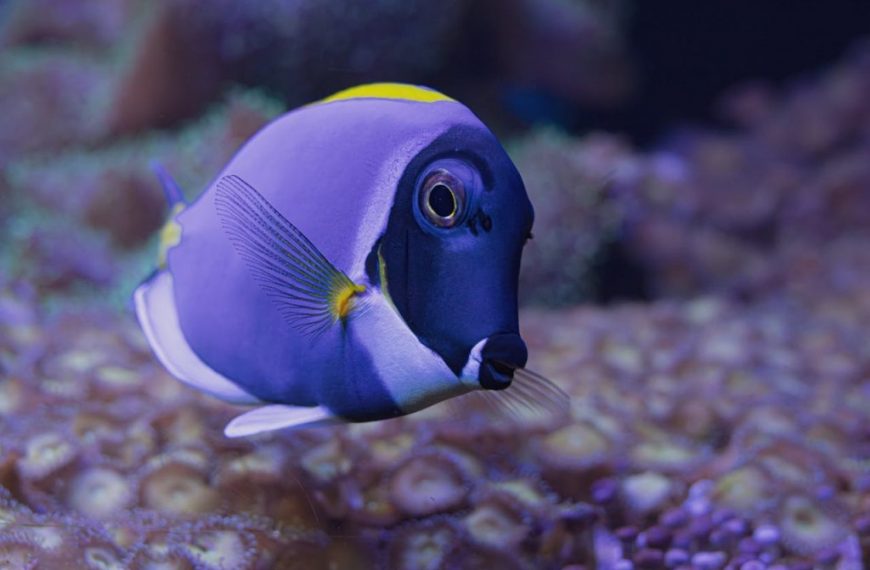

The Desjardini Sailfin Tang (Zebrasoma desjardinii) is a show-stopping saltwater fish that instantly becomes the centerpiece of a large reef tank. With its bold stripes, dramatic sail-like dorsal fin, and constant cruising behavior, this tang adds both motion and personality to your aquarium. If you’re considering one for your system, planning ahead is essential—this is a big, active herbivore that rewards good husbandry with years of vibrant color and strong growth.
Desjardini Sailfin Tang Care: Tank Size, Diet & Compatibility
Desjardini Sailfin Tangs grow large—often 10–15 inches in captivity—so they’re best suited to advanced hobbyists with substantial systems.
Tank Requirements
- Minimum tank size: 180 gallons is a practical starting point for long-term care.
- Aquascape: Provide open swimming lanes with rock structures that create caves and overhangs.
- Water parameters: 1.024–1.026 salinity, 78–80°F, pH 8.1–8.4, stable alkalinity and low nutrients.
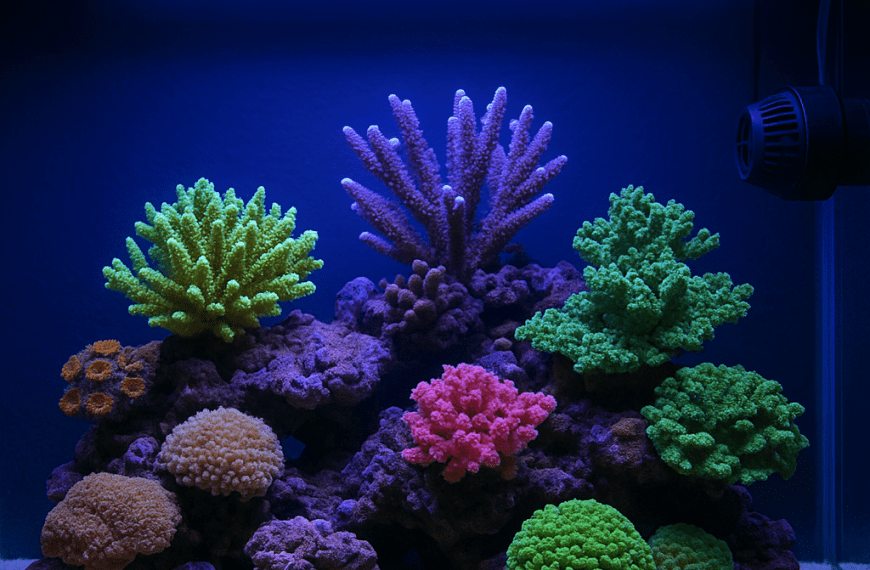
Because they are constant grazers, these tangs appreciate a mature reef with established live rock. If you’re still in the planning stage, our guide on reef aquarium setup is a great place to start before choosing a Sailfin Tang.
Diet & Feeding Tips
Desjardini Sailfin Tangs are primarily herbivores, but they benefit from a varied menu:
- Offer dried seaweed (nori) on a clip at least once daily.
- Rotate high-quality marine herbivore pellets and frozen blends rich in spirulina.
- Supplement with mysis or enriched brine a few times per week for extra protein.
Pro Tip: Use multiple feeding clips along the glass to spread out aggression and let shy fish get their share.
Temperament & Tankmates
Desjardini Sailfin Tangs are generally peaceful toward non-tang species but can be territorial with other surgeonfish, especially similar-shaped Zebrasoma tangs.
- Avoid mixing with other Sailfin Tangs or very similar species in smaller systems.
- Introduce them after more timid fish so they don’t dominate new arrivals.
- Pair with semi-aggressive but reef-safe tankmates like wrasses, anthias, and larger clownfish.
If you’re building a community around one of these fish, our article on best reef-safe fish can help you choose compatible species that won’t outcompete or harass your tang.
Reef-Safe Behavior, Health, and Long-Term Care
Reef Safety & Behavior
Desjardini Sailfin Tangs are considered reef-safe with corals. They may occasionally nip at nuisance algae around coral bases but typically ignore healthy coral tissue. Their constant grazing can actually help keep film algae and some hair algae in check, especially when combined with a solid reef clean-up crew.
Common Health Issues
Like many tangs, this species is prone to external parasites and stress-related conditions:
- Marine ich (Cryptocaryon) and marine velvet are the biggest concerns.
- Skin abrasions from rockwork can occur in tight aquascapes.
- Long-term poor diet may lead to head and lateral line erosion (HLLE).
To reduce risk:
- Quarantine new fish and observe for at least 2–4 weeks.
- Maintain high oxygenation and strong, varied flow.
- Provide vitamin-enriched foods and occasional garlic supplements to support immunity.
Is the Desjardini Sailfin Tang Right for You?
This species thrives in large, stable reef systems with plenty of swimming space, strong filtration, and a steady supply of algae-based foods. In return, you’ll get a bold, active fish that becomes a true centerpiece and helps keep nuisance algae in check. If you have the tank size, the patience to quarantine, and a commitment to herbivore nutrition, the Desjardini Sailfin Tang can be one of the most rewarding additions to your saltwater aquarium.
Sources
- Michael, S. W. (2001). Reef Fishes Volume 1. Microcosm.
- Fenner, R. (2001). The Conscientious Marine Aquarist. Microcosm.
- FishBase & general husbandry notes compiled from long-term hobbyist experience.
 By
By