New fish often refuse food during their first days in a saltwater aquarium. This behavior creates stress for aquarists watching their prized specimens waste away. Success requires patience, proper techniques, and understanding fish psychology.
Understanding Why Fish Stop Eating
Stress ranks as the primary reason fish refuse food. Transportation, new tank environments, and different water parameters shock their systems. Fish need time to adjust to these changes. Most healthy specimens resume eating within 3-7 days.
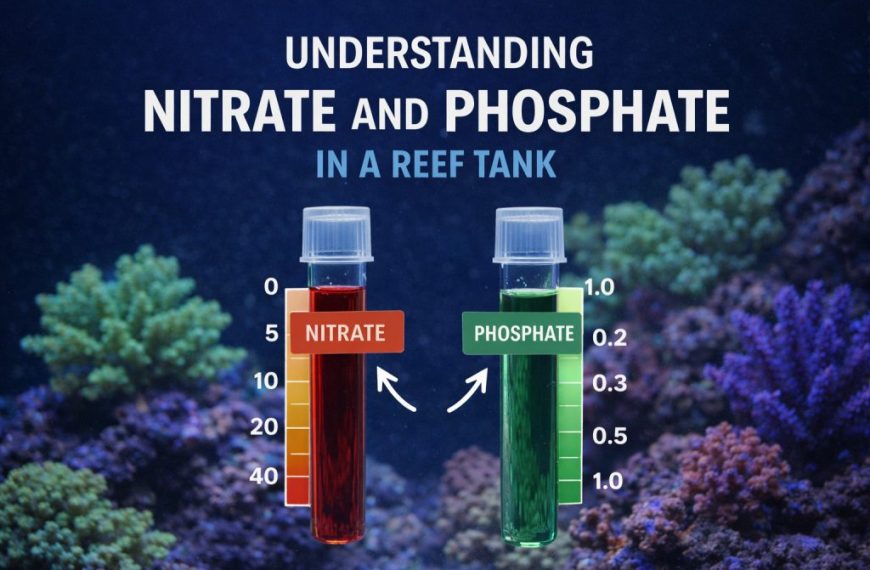
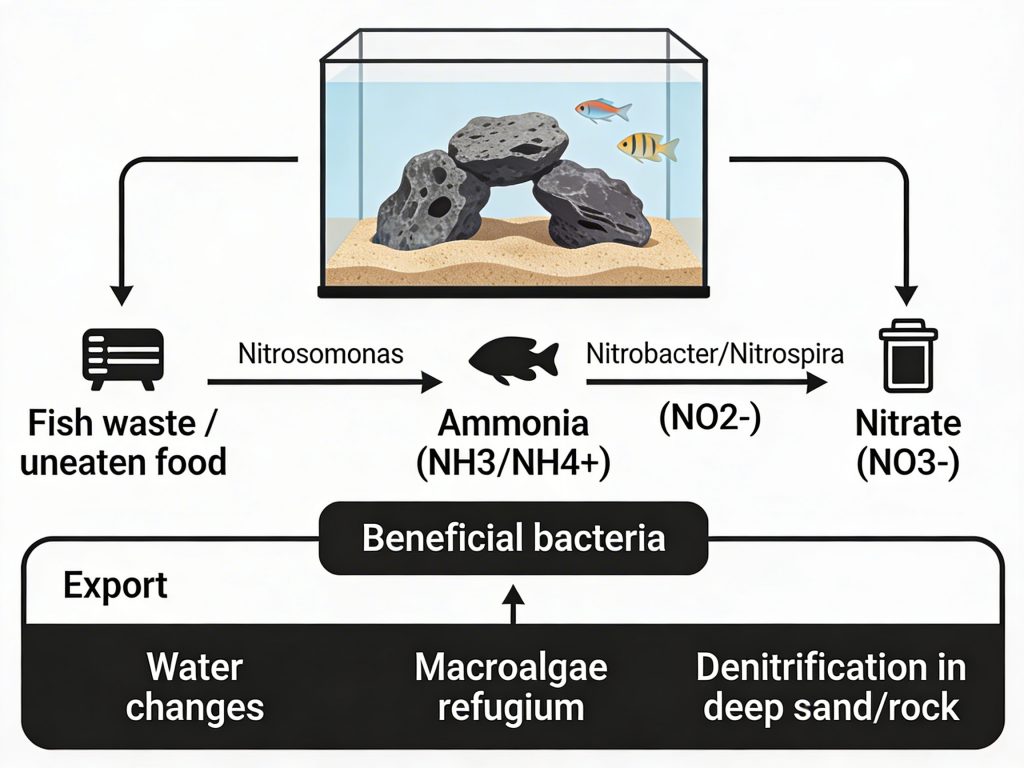
Water quality issues also suppress appetite. Check ammonia, nitrite, and nitrate levels immediately. Ammonia should read zero ppm. Nitrites must stay at zero ppm. Nitrates should remain below 20 ppm for optimal health.
Temperature fluctuations affect feeding behavior significantly. Maintain stable temperatures within each species’ preferred range. Most tropical marines thrive between 76-78°F. Use quality heaters with backup systems. Sudden temperature drops cause immediate appetite loss.
Aggressive tankmates create feeding anxiety in new arrivals. Dominant fish often chase newcomers away from food. This territorial behavior prevents proper nutrition. Quarantine tank protocols eliminate this problem during acclimation periods.
Proven Techniques to Encourage Feeding
Live foods trigger natural hunting instincts effectively. Brine shrimp, blackworms, and ghost shrimp work exceptionally well. Even finicky eaters rarely resist live prey. Start with live options then gradually introduce prepared foods.
Garlic-soaked foods stimulate appetite in reluctant feeders. Crush fresh garlic cloves and soak frozen foods for 10 minutes. The scent attracts fish and provides immune system benefits. Many commercial garlic additives work equally well.
Feeding frequency matters more than quantity initially. Offer small amounts 3-4 times daily. Remove uneaten food after 5 minutes to maintain water quality. Multiple feeding opportunities increase success chances significantly.
- Dim aquarium lights during feeding sessions
- Use feeding tubes to deliver food directly to shy fish
- Try different food types: frozen, flake, pellet, and fresh options
- Feed at consistent times to establish routine
Food presentation affects acceptance rates dramatically. Some species prefer sinking foods while others feed at the surface. Research each fish’s natural feeding habits. Proper nutrition planning prevents many feeding problems from developing.
Species-Specific Feeding Solutions
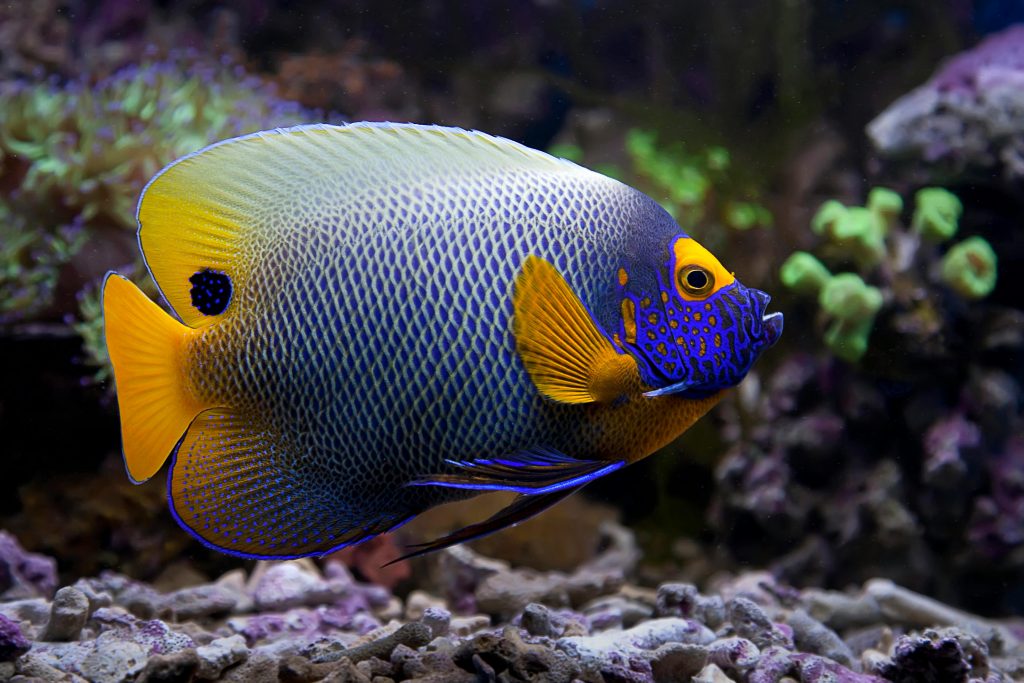
Angelfish often require specialized approaches when refusing food. Offer marine algae sheets attached to feeding clips. Sponge-based diets work well for wild-caught specimens. These fish may take 10-14 days to accept prepared foods.
Mandarin fish present unique feeding challenges due to specialized diets. They require live copepods and amphipods exclusively initially. Established reef tanks with mature live rock provide necessary microfauna. Training them to accept frozen foods requires extreme patience.
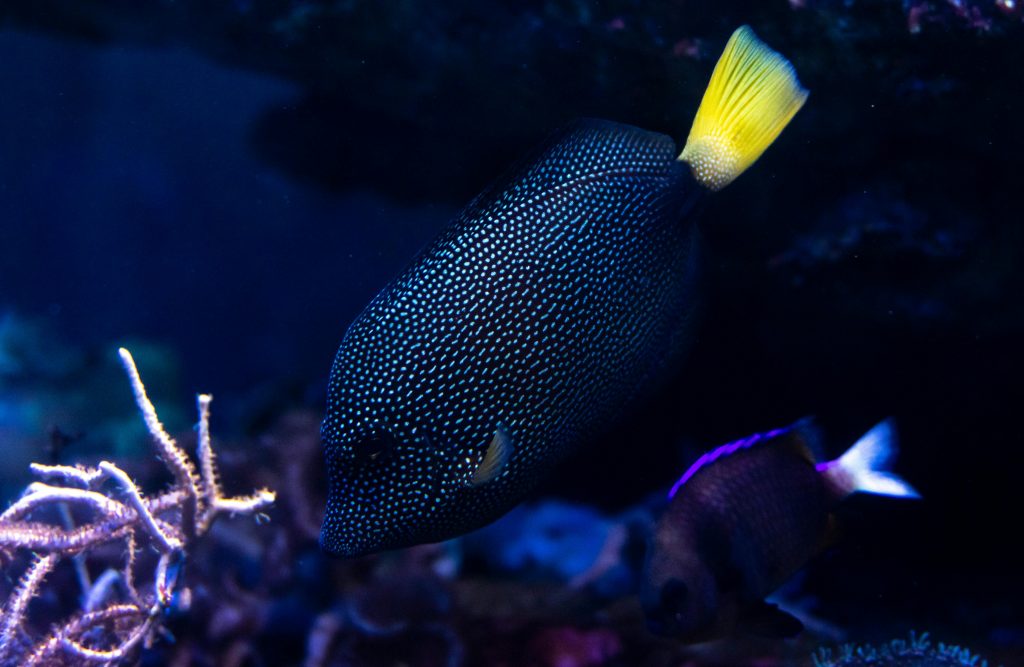
Tangs typically resume eating quickly but may reject certain food types. They prefer algae-based diets with high fiber content. Offer nori sheets, spirulina flakes, and vegetable matter. Supplement with frozen mysis shrimp for protein requirements.
- Research wild diet preferences before purchase
- Stock appropriate foods before fish arrival
- Prepare backup feeding strategies for difficult species
Success with feeding reluctant fish requires patience and persistence. Most specimens eventually accept appropriate foods when stress levels decrease. Monitor fish closely for signs of weakness or disease during this critical period. Regular health assessments help identify problems early. With proper techniques, even the most stubborn feeders usually resume normal eating habits within two weeks.
 By
By