Adding a new fish can transform a reef tank. It can also trigger stress, disease, and aggression. A simple plan lowers risk and protects your existing livestock.
Plan the addition before you buy
Start with a compatibility check and a size plan. Match temperament, diet, and adult size. Avoid adding a fish that will outgrow the tank. A 3-inch juvenile can become an 8-inch adult fast.
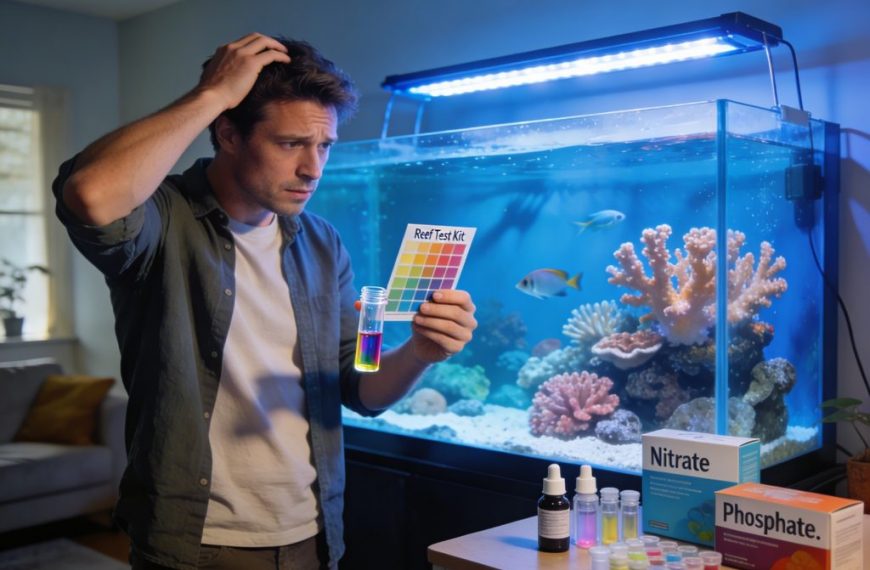
Confirm your tank can handle the bioload. Test nitrate and phosphate before purchase. Aim for nitrate 2–15 ppm in most mixed reefs. Keep phosphate near 0.03–0.10 ppm for stability.
Pick the right time to add fish. Add peaceful fish first. Add semi-aggressive fish later. Add the most aggressive fish last. This reduces territory disputes in established rockwork.
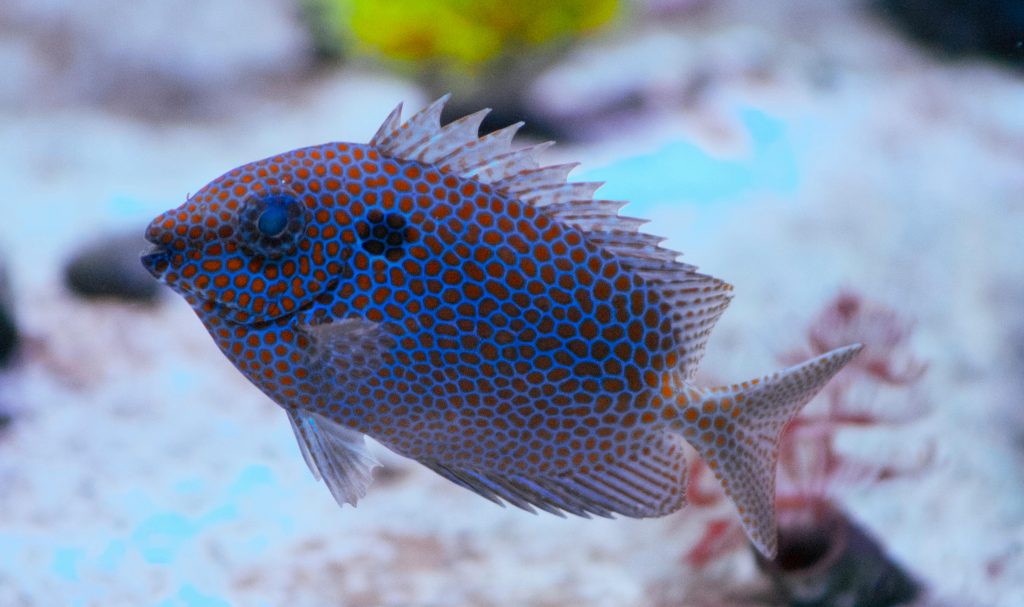
Have food ready before the fish arrives. Many new fish refuse pellets at first. Stock frozen mysis, brine, and a quality pellet. Keep nori sheets for tangs and rabbitfish.
- Target salinity: 1.025–1.026 specific gravity at 77°F.
- Temperature range: 76–79°F with under 1°F daily swing.
- pH: 8.0–8.3, and alkalinity 8–9 dKH for consistency.
For more planning help, see reef tank stocking order. If you need diet ideas, review reef fish feeding basics.
Quarantine and acclimation that actually work
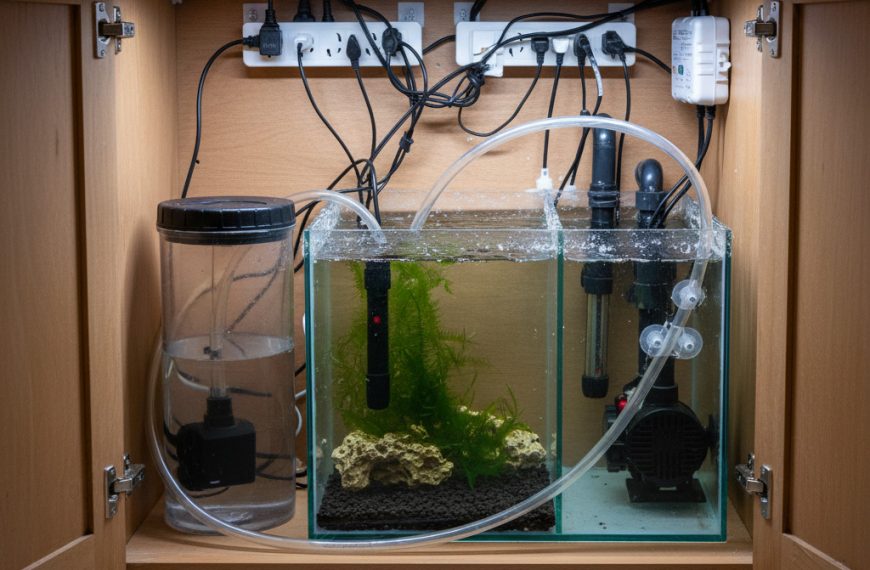
Quarantine is your best insurance policy. Use a 10–20 gallon bare tank for most fish. Add a heater, sponge filter, and PVC elbows. Keep a tight lid for jumpers.
Run quarantine for 14–30 days when possible. Observe appetite, breathing, and spots daily. Feed small meals twice per day. Remove leftovers within five minutes to control ammonia.
Match salinity slowly during acclimation. Measure bag salinity with a refractometer. If the bag is 1.020 and your reef is 1.026, raise salinity over 30–60 minutes. Use drip acclimation at 2–4 drops per second.
Never pour store water into your tank. Net the fish or use a specimen cup. Dim the lights for the first day. This reduces cortisol and aggression from tank mates.
- Keep ammonia at 0 ppm in quarantine with daily testing.
- Use an ammonia binder if you see 0.25 ppm or higher.
- Do a 25–50% water change when ammonia rises.
If you want a simple setup, follow our quarantine tank setup guide. It covers sponge filter seeding and basic observation routines.
Reduce aggression and troubleshoot the first week
Territory drives most reef tank conflicts. Rearrange a few rocks before release. Change the “map” without collapsing structures. This helps established fish reset boundaries.
Use an acclimation box for sensitive or bullied fish. Keep the new fish inside for 24–72 hours. Existing fish can see it without contact. Feed both sides during this period.
Watch for stress signs during the first week. Rapid breathing can signal ammonia, low oxygen, or parasites. Pinched belly suggests starvation or internal worms. Hiding is normal for 24 hours, not for days.
Have a response plan for common problems. If a tang attacks nonstop, use a mirror for two days. It redirects aggression. If the new fish will not eat, offer live blackworms or enriched brine for two days.
- Feed smaller portions 2–3 times daily for the first week.
- Increase surface agitation to boost oxygen at night.
- Check salinity daily after top-off changes and water swaps.
A real example helps set expectations. A new flame angel may graze rock all day. It may ignore pellets for three days. Offer frozen mysis at dusk and pellets at noon. Most angels convert within a week.
Common mistakes cause most losses. Skipping quarantine spreads ich fast. Adding multiple fish at once spikes ammonia. Chasing a hiding fish increases stress and injury. Slow, steady steps win here.
Sources: Humblefish Disease Forum (quarantine protocols); Reef2Reef Community Articles (acclimation and aggression management); Fenner, R. “The Conscientious Marine Aquarist” (stocking and husbandry basics).
Introducing new fish to a reef tank is repeatable with a checklist. Plan stocking, quarantine carefully, and manage early aggression. Your fish will eat sooner, fight less, and stay healthier long term.
 By
By