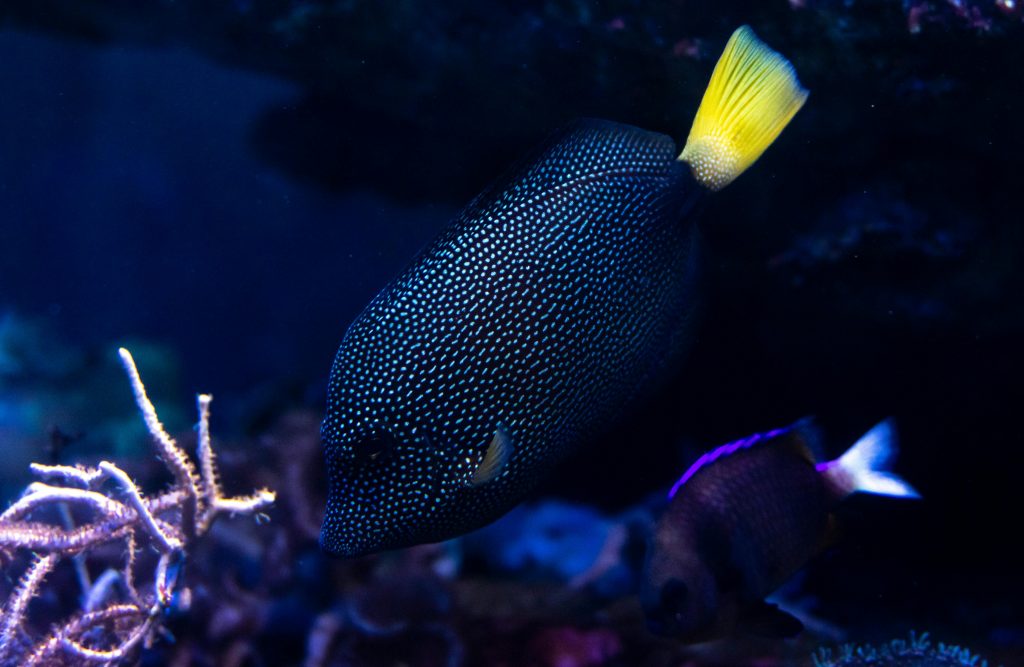
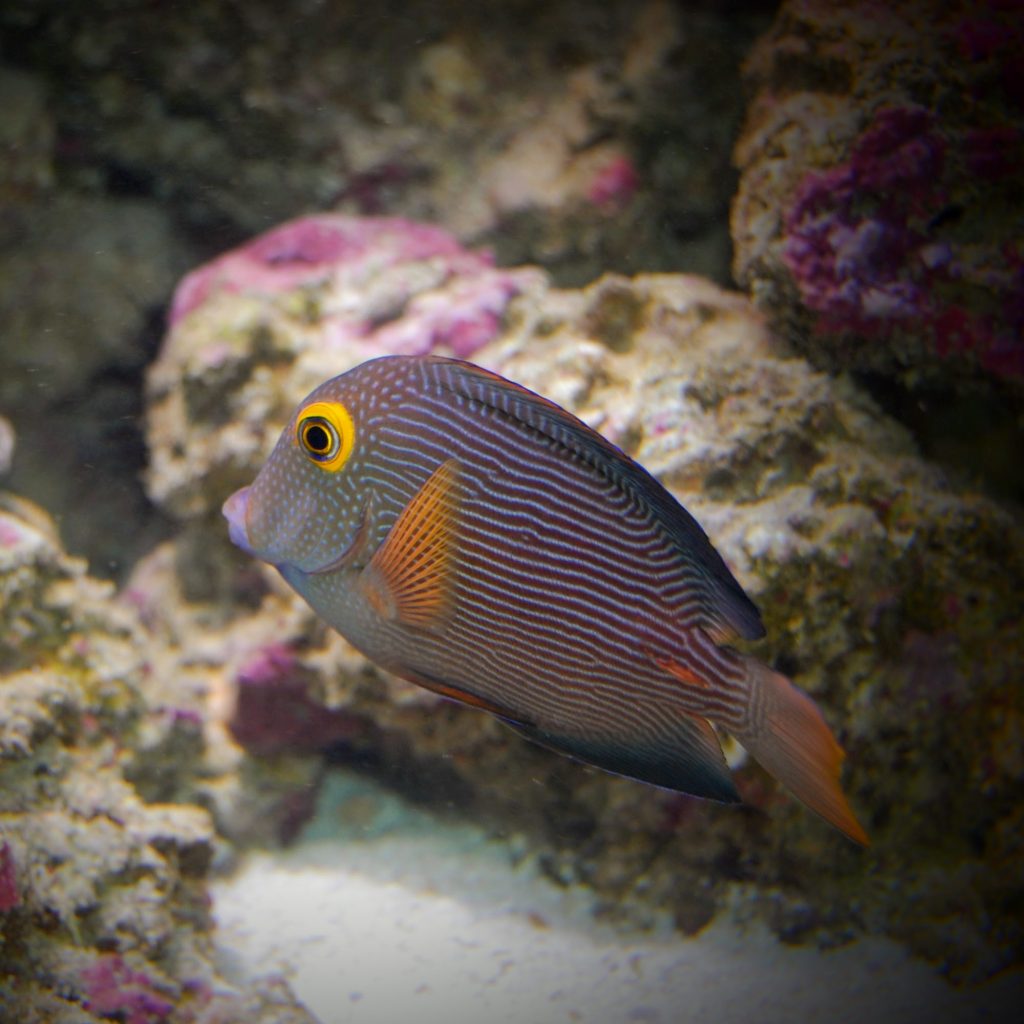
The Kole Yellow Eye Tang (Ctenochaetus strigosus) is a hardworking grazer. It helps control film algae and keeps rockwork tidy. It also has a calm, curious personality.
This tang is often called the “Kole tang” or “yellow eye tang.” It is a bristletooth tang, not a heavy macroalgae eater. Success comes from the right tank size, stable parameters, and steady feeding.
Tank size, aquascape, and water parameters
Plan for a minimum of 70 gallons for one Kole tang. A 4-foot tank is ideal for cruising space. Adults often reach 6 to 7 inches in captivity. Add strong flow lanes and calm pockets.
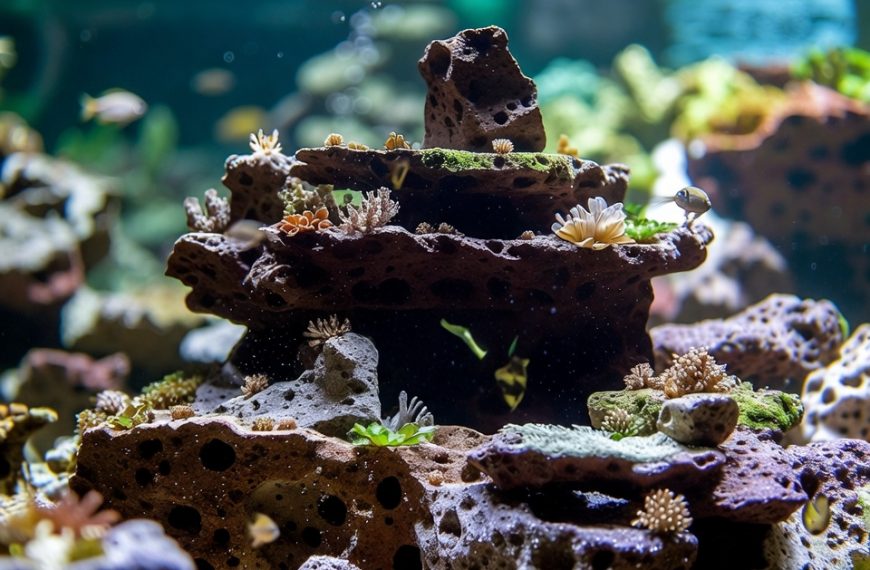
Build rockwork with broad faces for grazing. Leave open sand and a clear front swim zone. Provide at least two caves for retreat. This reduces stress during lights-on and feeding time.
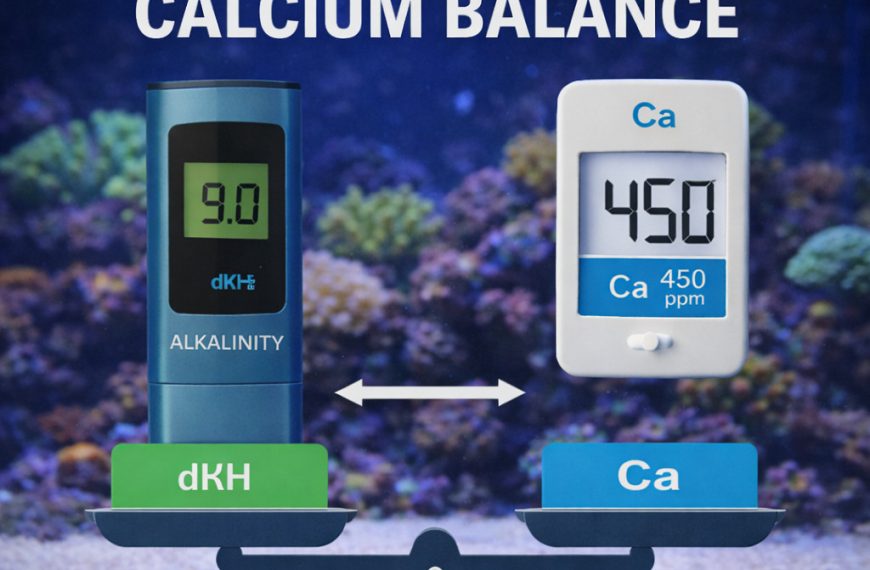
Aim for stable reef parameters. Keep salinity at 1.025 to 1.026 and temperature at 77 to 79°F. Target pH 8.1 to 8.4 and alkalinity 8 to 9 dKH. Keep nitrate 5 to 20 ppm and phosphate 0.03 to 0.10 ppm.
Use a quality skimmer and consistent water changes. Do 10% weekly or 20% biweekly. Sudden swings cause appetite loss and pale color. Review your reef tank water parameters when problems start.
- Provide 4+ feet of length and open swimming space.
- Use rock shelves and caves to reduce stress.
- Keep oxygen high with surface agitation and strong flow.
Feeding and daily care for long-term health
Kole tangs graze microalgae and biofilm all day. They use bristle-like teeth to scrape surfaces. They still need prepared foods for long-term nutrition. Underfeeding often leads to head and lateral line erosion.
Feed at least twice daily in most systems. Offer nori or algae sheets in the morning. Use a veggie clip near rockwork for natural picking. In the evening, feed frozen mysis, brine, and a quality herbivore blend.
Include fiber and vitamins several times per week. Soak foods in a vitamin supplement 2 to 3 times weekly. Add spirulina flakes or pellets as a staple. Rotate foods to prevent picky behavior.
Watch body shape as your guide. A healthy Kole has a full belly and smooth head profile. A pinched belly means more feeding or less competition. For feeding ideas, see our reef fish feeding schedule.
- Feed nori daily, about a 2×2 inch sheet for a medium tang.
- Offer frozen foods in small portions, 1 to 2 minutes to finish.
- Use a feeding ring to keep food from blowing into overflows.
Compatibility, quarantine, and common problems
Kole tangs are usually peaceful in community reefs. They can still fight other tangs, especially bristletooths. Add them before more aggressive species when possible. Provide multiple grazing stations to reduce chasing.
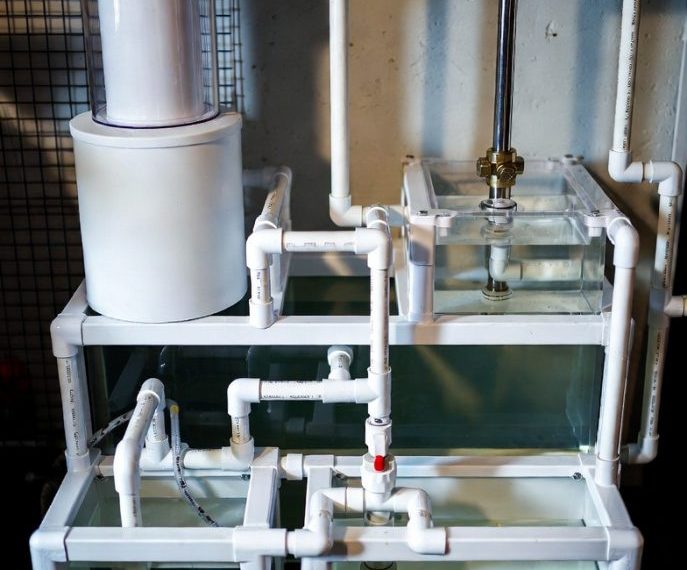
Quarantine is strongly recommended for 30 days. Use a simple tank with PVC hides and a seeded sponge filter. Keep salinity 1.025 and temperature 78°F for stability. Observe for ich, velvet, and bacterial issues.
Ich often shows as white dots and flashing. Stress and low oxygen make it worse. Increase aeration and reduce aggression triggers. Review our saltwater fish quarantine guide before adding any tang.
Another common issue is lateral line pitting. It links to poor diet, stray voltage, and dirty water. Improve nutrition and run fresh carbon in a mesh bag. Replace carbon every 2 to 4 weeks. Also check for stable nitrate and phosphate.
- Avoid adding two bristletooth tangs in tanks under 120 gallons.
- Use an acclimation box for 3 to 7 days in aggressive systems.
- Dim lights on introduction day to reduce immediate conflict.
The Kole Yellow Eye Tang is a great reef helper with the right setup. Give it space, steady water, and frequent feeding. Quarantine and careful tankmate choices prevent most setbacks.
When cared for well, it becomes a constant grazer and a bold display fish. Keep a close eye on body condition and stress signs. Small adjustments early prevent bigger problems later.
Sources: Fenner, R. (The Conscientious Marine Aquarist); Sprung, J. (The Reef Aquarium Vol. 1); Delbeek & Sprung (The Reef Aquarium Vol. 2).

 By
By