Proper nutrition forms the backbone of a thriving saltwater aquarium ecosystem. Many marine fish and invertebrates suffer from poor health due to inadequate feeding practices. Understanding your aquarium inhabitants’ specific dietary needs will ensure vibrant colors, strong immune systems, and natural behaviors.
Understanding Marine Fish Dietary Requirements
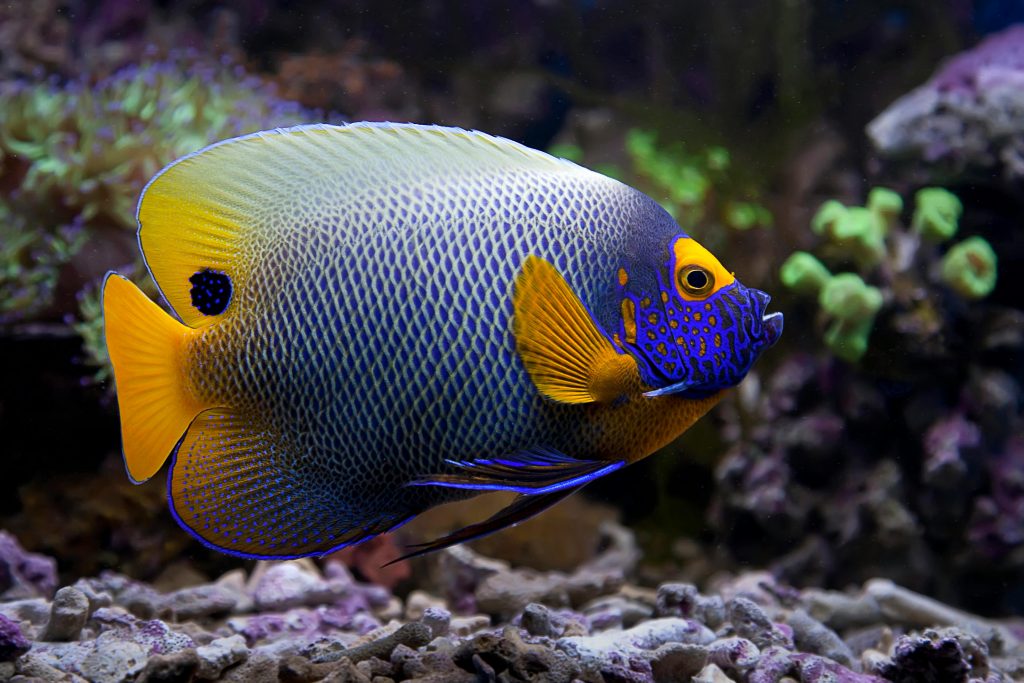
Marine fish fall into three primary feeding categories: herbivores, carnivores, and omnivores. Each group requires different nutritional approaches for optimal health. Herbivorous fish like tangs and angelfish need high-fiber foods rich in marine algae. Their digestive systems are designed to process plant matter throughout the day.
Carnivorous species such as groupers and lionfish require protein-rich diets. They need foods containing whole fish, shrimp, and squid. Their stomachs can handle larger meals less frequently. Feed carnivores once daily with appropriately sized portions.
Omnivorous fish like clownfish and wrasses eat both plant and animal matter. They benefit from varied diets including algae sheets, frozen foods, and high-quality pellets. Rotate different food types to prevent nutritional deficiencies. This approach mimics their natural feeding patterns on the reef.
Feeding frequency varies by species and life stage. Most adult marine fish should eat 1-2 times daily. Juvenile fish require more frequent feeding, often 3-4 times per day. Proper marine fish care includes monitoring body condition and adjusting portions accordingly.
Essential Food Types for Marine Aquariums
High-quality commercial foods provide the foundation of marine aquarium nutrition. Pellets and flakes designed for saltwater fish contain essential vitamins and minerals. Choose foods with marine proteins like fish meal, krill, and spirulina. Avoid freshwater fish foods, which lack proper nutritional profiles.
Frozen foods offer excellent nutritional value and variety. Mysis shrimp, brine shrimp, and bloodworms are popular choices. Frozen foods retain more nutrients than dried alternatives. Thaw frozen foods in aquarium water before feeding. Never use hot water or microwaves for thawing.
Live foods provide natural hunting behaviors and optimal nutrition. Copepods, amphipods, and brine shrimp are excellent live food options. Many aquarists culture their own live foods at home. This ensures a constant supply of fresh, nutritious meals.
Specialized foods target specific dietary needs. Algae sheets work perfectly for herbivorous fish like tangs. Coral foods contain microplankton for filter-feeding invertebrates. Reef tank feeding strategies must consider both fish and coral nutritional requirements.
Creating Effective Feeding Schedules
- Feed most adult fish once or twice daily at consistent times
- Juvenile fish require 3-4 smaller meals throughout the day
- Skip feeding one day per week to prevent overfeeding
- Adjust portions based on fish behavior and water quality
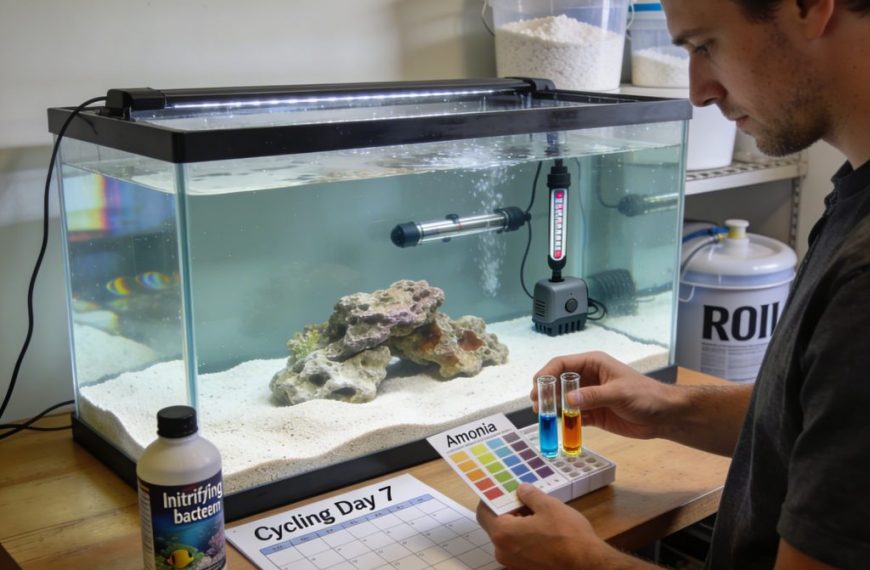
Water quality directly impacts feeding success. Test parameters regularly and adjust feeding if ammonia or nitrite levels rise. Overfeeding causes more aquarium problems than underfeeding. Remove uneaten food after 5-10 minutes to prevent water quality issues.
Seasonal feeding adjustments may be necessary. Some fish eat less during breeding seasons or temperature changes. Monitor individual fish appetites and adjust accordingly. Sick or stressed fish often refuse food initially.
- Rotate food types weekly to ensure nutritional variety
- Soak dried foods in vitamins for added nutrition
- Feed herbivores multiple times daily with smaller portions
- Offer treats like live foods once or twice weekly
Proper storage maintains food quality and nutritional value. Keep dried foods in cool, dry locations with tight-fitting lids. Frozen foods should remain frozen until use. Check expiration dates regularly and discard old foods. Regular aquarium maintenance includes monitoring food quality and storage conditions.
Successful marine aquarium nutrition requires understanding, planning, and consistency. Monitor your fish daily for signs of good health like bright colors and active swimming. Adjust feeding practices based on observation and water quality testing. Proper nutrition planning creates the foundation for a thriving marine ecosystem that will provide years of enjoyment.
 By
By