Marine ich can wipe out a tank fast. It also spreads before you see white spots. Prevention is easier than treatment in a reef system.
Understand the ich life cycle and risk triggers
Marine ich is Cryptocaryon irritans. It has stages that hide from meds. The visible white dots are only one stage.
The parasite drops off the fish and forms cysts on surfaces. Those cysts release swimmers that hunt for fish. In warm tanks, a cycle can finish in 10 to 28 days.
Stress makes fish easier targets. Common triggers include sudden salinity changes and bullying. Poor oxygen also raises risk, especially at night.
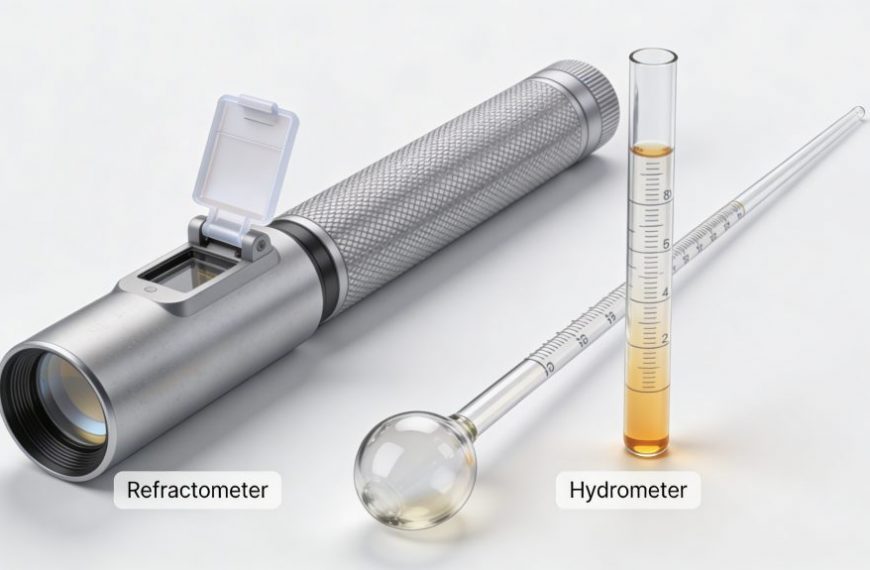
Stable parameters limit stress and improve immunity. Keep salinity at 1.025 to 1.026 specific gravity. Hold temperature at 77 to 79°F with under 1°F swing. Maintain pH 8.0 to 8.3 and alkalinity 8 to 9 dKH.
- Match salinity within 0.001 SG during acclimation and water changes.
- Keep ammonia and nitrite at 0 ppm at all times.
- Use strong surface agitation for higher dissolved oxygen.
New fish are the main entry point. Corals and inverts do not host ich on their bodies. Yet wet bags and frag plugs can carry cysts. Treat every wet addition as a risk.
Build a quarantine process that actually works
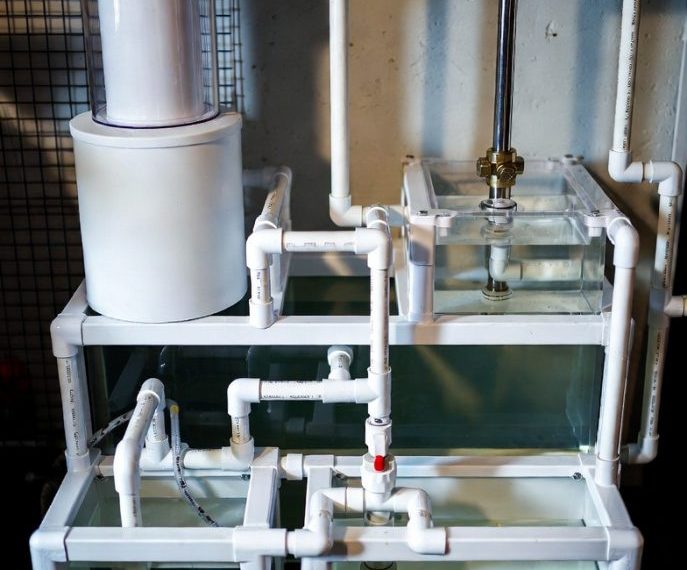
A real quarantine is a separate tank with a plan. Use 10 to 20 gallons for small fish. Use 20 to 40 gallons for tangs and angels. Add a heater, sponge filter, and PVC elbows.
Run quarantine for 30 days minimum. Many hobbyists choose 45 days for caution. Observe eating, breathing, and flashing each day. Log salinity, temperature, and ammonia daily.
For active prevention, consider copper in a fish-only quarantine. Use a reliable test kit for your copper type. Hold therapeutic copper at 2.0 to 2.5 ppm for Copper Power, or 0.35 to 0.50 ppm for Cupramine. Maintain that level for 14 days after it reaches target.
Alternatively, use tank transfer method for ich control. Transfer fish every 72 hours for four transfers. Use clean, dry equipment between moves. This breaks the parasite cycle without copper.
- Seed a sponge filter in your sump for two weeks before use.
- Keep a dedicated net and siphon for quarantine only.
- Feed small meals twice daily to reduce waste spikes.
Need a setup checklist? See quarantine tank setup and how to acclimate saltwater fish. Those steps prevent most early losses.
Keep the display tank resistant and respond fast
Even with quarantine, prevention continues in the display. Stock slowly and avoid sudden bioload jumps. Add the most peaceful fish first. Add aggressive fish last.
Feed for immune support and steady weight. Offer varied foods twice daily. Use nori for tangs and herbivores. Add frozen mysis or brine plus a quality pellet.
Watch for early signs that appear before spots. Look for rapid breathing, hiding, and scratching. Also watch for a dusty look under blue light. When you suspect ich, act the same day.
Remove fish to a hospital tank for treatment. Leave the display fallow so ich dies out. A fallow period of 76 days is the common gold standard. Keep feeding the tank lightly to support bacteria and corals.
- Use an ammonia badge in hospital tanks and detoxifier as needed.
- Increase aeration during treatment, especially with copper.
- Do not “reef-safe” dose the display and hope for results.
For a deeper fallow plan, read fallow period for reef tanks. It helps you avoid repeat outbreaks.
Marine ich prevention is a system, not a product. Quarantine every fish and control stress daily. With stable parameters and fast response, outbreaks become rare and manageable.
Sources: Colorni & Burgess, “Cryptocaryon irritans Brown 1951, the cause of ‘white spot disease’ in marine fish”; Noga, “Fish Disease: Diagnosis and Treatment”; Hemdal, “Marine Fish Health & Feeding Handbook”.
 By
By