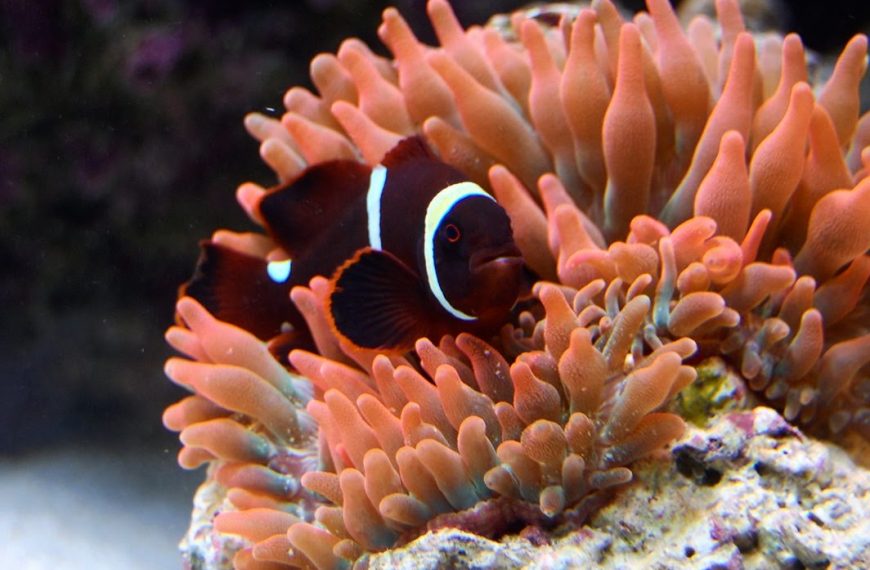

Ocellaris clownfish are often the first saltwater fish hobbyists bring home, and for good reason. They’re hardy, colorful, and full of personality. With the right setup and care, your ocellaris clownfish can thrive for many years and quickly become the stars of your reef tank.
Tank Setup for Ocellaris Clownfish
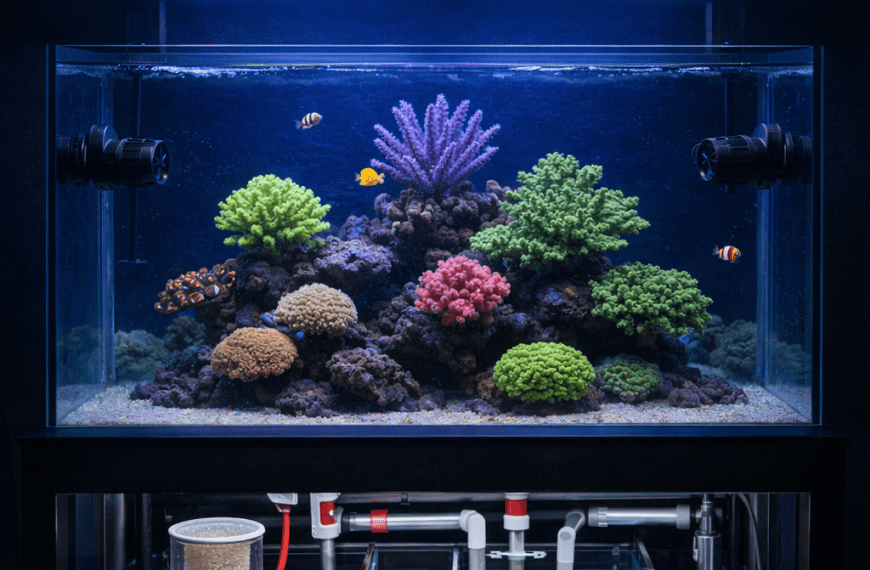
Ocellaris clownfish stay relatively small, but they still need stable, clean saltwater conditions. Aim for:
- Tank size: Minimum 20 gallons for a pair; larger is better for long-term stability.
- Salinity: 1.024–1.026 specific gravity.
- Temperature: 76–80°F (24–27°C).
- pH: 8.0–8.4 with stable alkalinity.
Good filtration and strong surface agitation are essential for oxygenation. Many hobbyists use a combination of a quality hang-on-back filter or sump with a protein skimmer for nutrient export. If you’re planning a mixed reef, choose lighting that also supports corals, as your clownfish will appreciate the natural day–night rhythm.
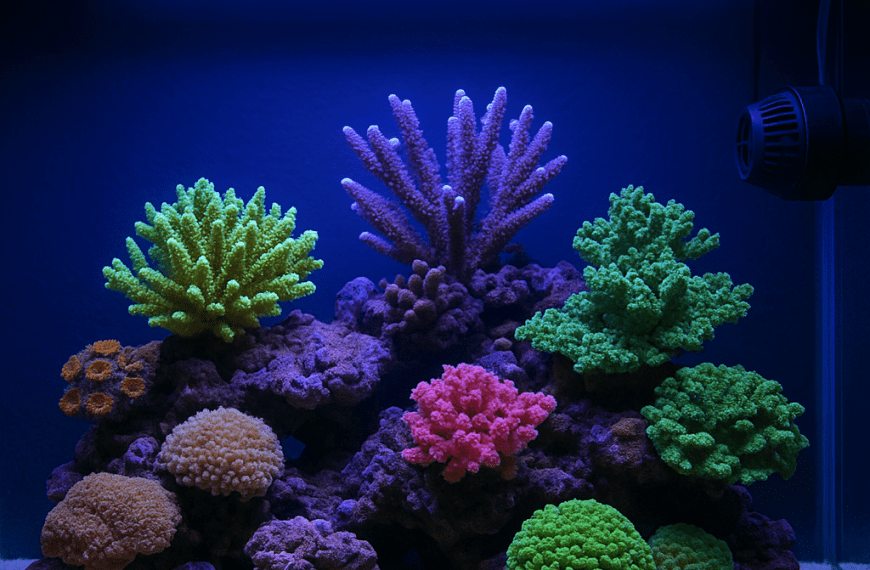
Live rock provides biological filtration and hiding places. While an anemone is not required, your clownfish may choose a host coral, rock, or even equipment instead. If you’re considering corals, check out our guide on beginner soft corals for new reef tanks to plan compatible tankmates for your clowns.
Feeding and Daily Care
Ocellaris clownfish are opportunistic omnivores. A varied diet keeps their color bright and immune system strong.
- Staple foods: High-quality marine pellets or flakes formulated for saltwater fish.
- Frozen options: Mysis shrimp, brine shrimp (enriched), and finely chopped seafood mixes.
- Frequency: 1–2 small feedings per day, only what they can eat in a couple of minutes.
Practical tips:
- Rinse frozen foods in tank water to reduce excess nutrients.
- Rotate brands and food types to avoid nutritional gaps.
- Observe your clowns at feeding time; sudden changes in appetite can signal stress or disease.
Regular maintenance is just as important as feeding. Perform weekly 10–15% water changes, clean mechanical filter media, and test key parameters. For a step-by-step routine, see our saltwater tank maintenance checklist.
Behavior, Tankmates, and Breeding
Ocellaris clownfish are generally peaceful, especially compared with some other clownfish species. They do best as a single fish or a bonded pair. Keeping more than two in smaller tanks often leads to aggression.
Suitable tankmates include:
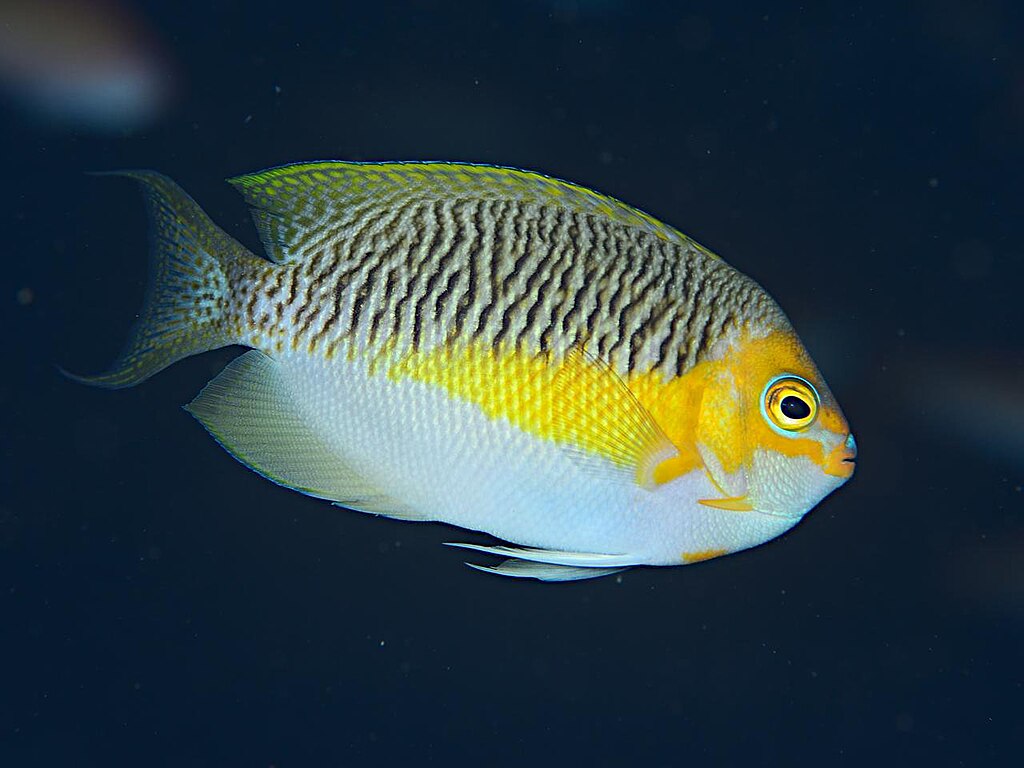
- Peaceful gobies and blennies
- Small reef-safe wrasses
- Cleaner shrimp, snails, and hermit crabs
Avoid highly aggressive species or large predatory fish that might harass or eat your clowns.
Clownfish have fascinating social structures. The dominant fish becomes female, while the smaller partner remains male. In a stable pair, they may begin to spawn on a flat surface near their chosen territory.
Tip: If you’re interested in raising clownfish larvae, start by keeping detailed notes on spawning dates and behaviors, and ensure you have a separate rearing setup ready before attempting to collect eggs.
For more on compatible communities, read our guide to the best beginner saltwater fish for community tanks.
Final Thoughts
Ocellaris clownfish bring movement, color, and character to almost any marine aquarium. With a stable tank, consistent maintenance, and a varied diet, they’re among the most rewarding and forgiving fish you can keep. Start with their needs in mind, grow your system around them, and you’ll enjoy years of lively interaction from these iconic reef residents.
Sources
- Wilkerson, J. (2003). Clownfishes. TFH Publications.
- Michael, S. W. (2010). Marine Fishes: 500+ Essential-To-Know Aquarium Species. TFH Publications.
- Fenner, R. (2001). The Conscientious Marine Aquarist. Microcosm.
 By
By