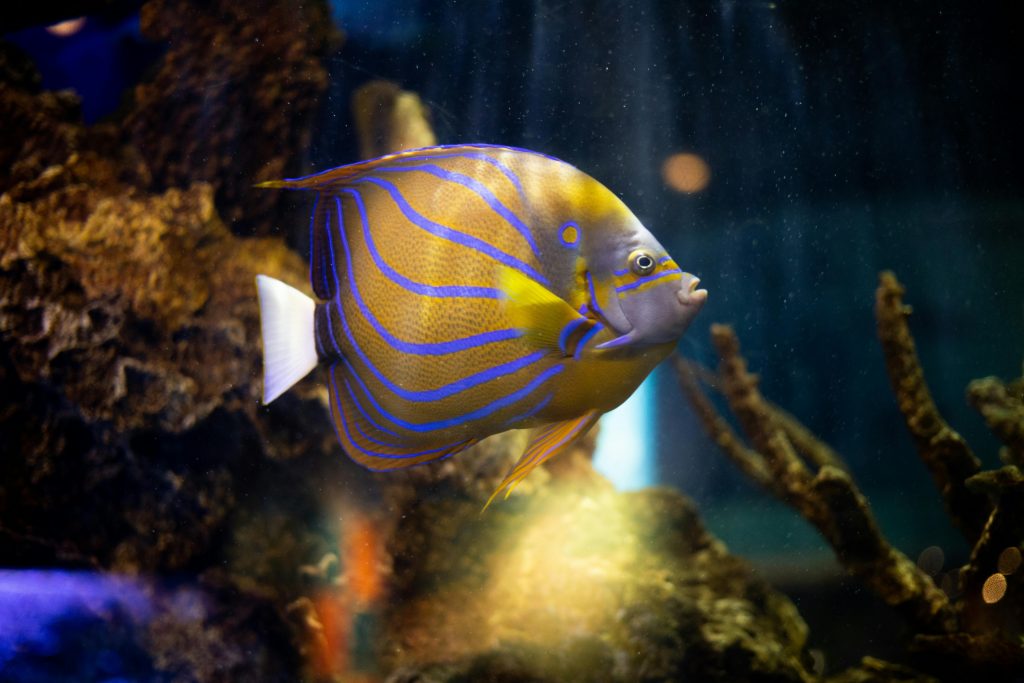

Keeping a thriving reef or fish-only system isn’t just about beautiful livestock and gear—it’s about consistent, smart maintenance. A clear saltwater tank maintenance checklist helps you stay organized, avoid emergencies, and keep your corals and fish healthy for the long term.
Daily & Weekly Saltwater Tank Maintenance
Daily and weekly habits are the backbone of a stable marine aquarium. These small tasks prevent big problems later.
Daily Checks
- Visual livestock inspection: Look for clamped fins, rapid breathing, faded color, or unusual behavior.
- Equipment check: Confirm your return pump, powerheads, heater, and skimmer are running normally and quietly.
- Temperature: Verify it stays in your target range (often 77–79°F / 25–26°C).
- Top off evaporated water: Use RO/DI freshwater only, not saltwater, to keep salinity stable.
Weekly Tasks
- Test core parameters: Salinity, alkalinity, calcium, magnesium, nitrate, and phosphate. Log your results so you can spot trends.
- Glass cleaning: Use a magnetic scraper on the front and side panels. For a deeper guide, see our post on how to clean saltwater aquarium glass.
- Skimmer maintenance: Empty and rinse the skimmer cup. Check the air intake for salt creep.
- Filter care: Rinse mechanical filter pads or socks in discarded tank water to remove detritus without killing beneficial bacteria.
- Quick aquascape tidy: Gently turkey-baste rockwork to lift detritus into the water column so it can be removed by filtration.
Pro tip: Keep all your test results and maintenance dates in a simple notebook or spreadsheet. Stable numbers over time matter more than chasing a “perfect” single reading.
Monthly & Seasonal Deep-Clean Checklist
These tasks don’t need to be done every week, but they’re crucial for long-term success and equipment reliability.
Monthly Maintenance
- Water change: Replace 10–20% of your tank volume with well-mixed, heated, and aerated saltwater. This helps export nutrients and replenish trace elements.
- Powerhead and pump cleaning: Soak in a mild vinegar solution to remove coralline algae and mineral buildup, then rinse thoroughly.
- Refugium or sump cleanup: Remove excess macroalgae, siphon detritus, and verify baffles are free of obstructions.
- Check and calibrate equipment: Recalibrate refractometers and inspect heaters for rust or cracks.
Every 3–6 Months
- Deep clean return pump: Disassemble, clean the impeller and housing, and remove any snail shells or grit.
- Replace or regenerate media: Swap out carbon, GFO, and other chemical media per manufacturer guidelines.
- Light maintenance: Clean light lenses and covers to maintain PAR levels. Review your light schedule; adjust if corals show signs of stress or poor growth.
- Review stocking and feeding: If nutrients are creeping up, consider lighter feeding or more export. Our guide on saltwater aquarium nutrient control covers this in detail.
Building Your Personalized Saltwater Tank Checklist
Every tank is unique. A high-demand SPS system, a soft coral community, and a fish-only setup all have different needs. Use the outline above as a starting point, then tailor it:
- Add extra testing if you run advanced methods like carbon dosing or a calcium reactor.
- Schedule tasks around your lifestyle—smaller, more frequent jobs are easier to keep up with.
- Print your checklist and keep it in your stand, or use a digital reminder app.
For new hobbyists, pairing this checklist with our beginner saltwater tank setup guide creates a roadmap from day one through long-term success.
With a reliable maintenance routine, your saltwater tank becomes more stable, your livestock thrives, and you spend less time fixing problems and more time enjoying the reef you’ve built.
Sources
- Sprung, J. & Delbeek, J. C. The Reef Aquarium, Vol. 1–3.
- Paletta, M. The New Marine Aquarium.
- Fenner, R. The Conscientious Marine Aquarist.

 By
By