Flukes are common in marine fish. They often arrive on new arrivals. Praziquantel (Prazipro) is one of the safest tools for treatment. It works well when you use it correctly.
How to spot flukes in marine fish
Most flukes in our tanks are monogeneans. They live on skin or gills. They feed on mucus and tissue. Heavy cases can kill fish fast.
Gill flukes often cause fast breathing. You may see flared gill covers. Fish may hover near high flow. They can also stop eating. Some fish scratch on rocks and sand.
Skin flukes can look like cloudy patches. Fins may clamp and fray. The fish may “flash” under bright light. You may also see excess slime. This is common on angels and butterflies.
A freshwater dip can confirm suspicion. Use dechlorinated, aerated freshwater. Match temperature within 1°F. Match pH as close as you can. Dip for 3–5 minutes while watching closely.
- Watch for rapid breathing, especially at rest.
- Look for scratching, clamped fins, and heavy mucus.
- Use a 3–5 minute freshwater dip to check for flukes.
For deeper quarantine basics, see our marine fish quarantine guide. For breathing issues, review why fish gasp at the surface.
Using praziquantel safely and effectively
Praziquantel targets flukes and some internal worms. It does not treat ich or velvet. Use it in a quarantine tank when possible. This avoids stressing corals and inverts.
Many hobby products dose around 2.0–2.5 mg/L praziquantel. Always follow your label. Remove activated carbon and resins. Turn off UV and ozone. Increase aeration with an air stone.
Leave the dose in for 5–7 days. Then do a 25–50% water change. Repeat a second full dose. Do the second dose 5–7 days later. This catches newly hatched flukes.
Watch oxygen closely after dosing. Some fish get lethargic if oxygen drops. Skimmers can overflow with some formulas. You can run the skimmer with the cup off. This boosts gas exchange without flooding.
- Remove carbon, stop UV, and add strong aeration before dosing.
- Hold treatment for 5–7 days, then repeat after a water change.
- Feed lightly during treatment to limit ammonia spikes.
If you need a full quarantine medication plan, read our QT medication schedule. It helps you avoid unsafe combinations.
Troubleshooting and common mistakes
The most common problem is underdosing. This happens with wrong tank volume. Measure water volume after rock and equipment. A 20-gallon tank may hold 15 gallons. Dose for the real volume.
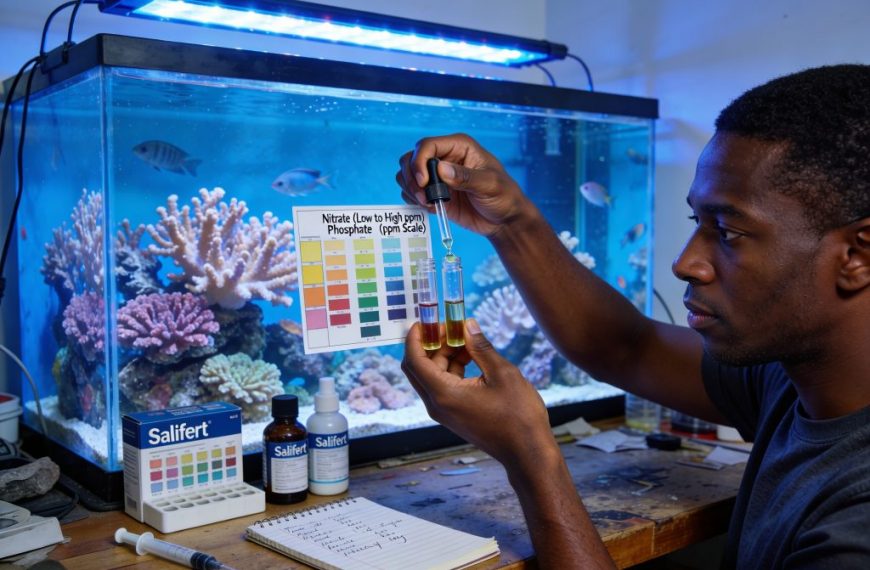
Another issue is poor water quality in quarantine. Praziquantel can reduce appetite. Uneaten food raises ammonia fast. Keep ammonia at 0 ppm. Use a seeded sponge filter when possible. Test daily for the first three days.
Do not assume every scratch is flukes. Ich and velvet can look similar early on. Velvet often shows very fast breathing and fine dusting. If fish decline within 24–48 hours, suspect velvet. Praziquantel will not help in that case.
Reef tank dosing is risky for some systems. Feather dusters and some worms may react poorly. Skimmers often go wild. If you must treat the display, start with extra aeration. Be ready for large water changes. Run carbon after the course ends.
- Confirm flukes with a freshwater dip before medicating.
- Calculate true water volume to avoid weak dosing.
- Keep ammonia at 0 ppm with testing and water changes.
Praziquantel is a strong option for flukes. It is gentle on most marine fish. Success depends on diagnosis, oxygen, and repeat dosing. Build a steady quarantine routine and you will prevent most fluke outbreaks.
Sources: Noga, E.J. (Fish Disease: Diagnosis and Treatment); Colorni & Burgess (Marine Fish Diseases); HumbleFish disease treatment protocols (general reference); product labels for praziquantel-based aquarium medications.
 By
By