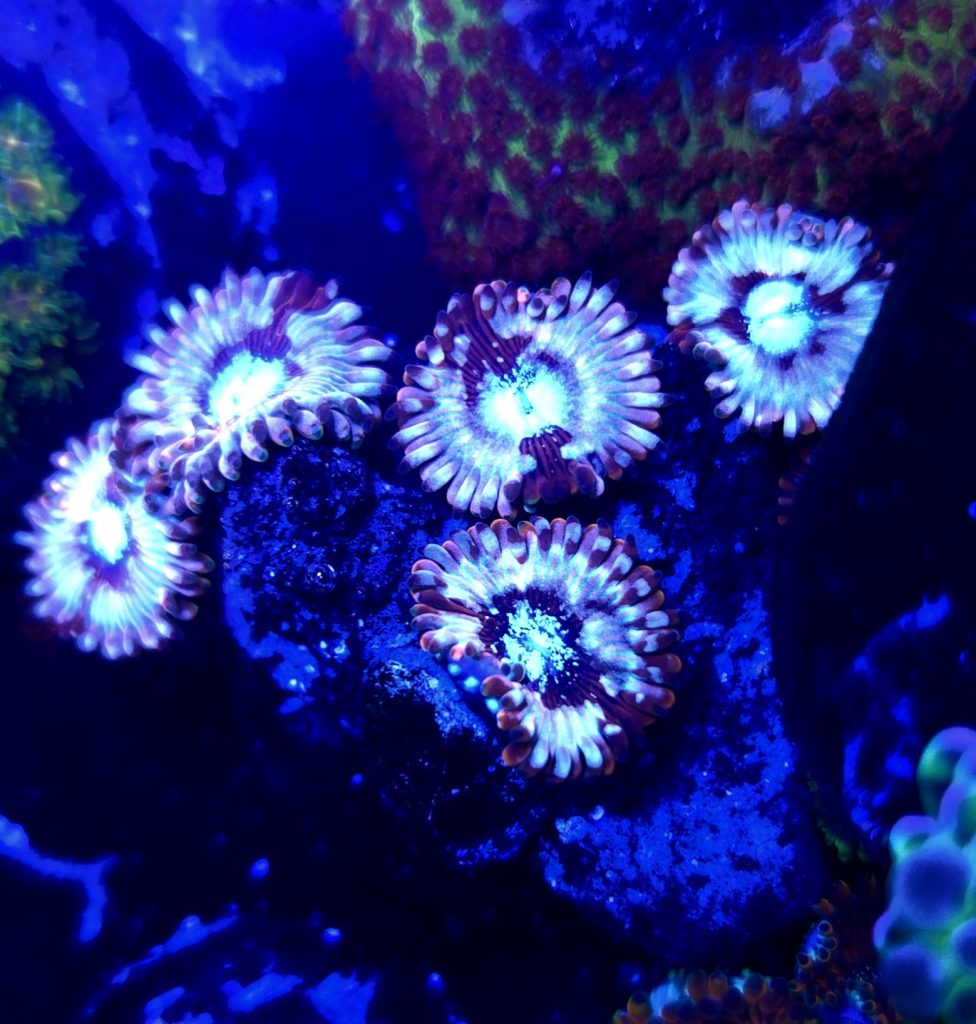
Dialing in reef lighting can feel confusing, but understanding PAR (Photosynthetically Active Radiation) makes it much easier. Instead of chasing brand names or wattage, focus on the actual light your corals receive. This reef lighting PAR guide will walk you through target ranges, measuring tips, and how to adjust your system for healthy, colorful coral growth.
What Is PAR and Why It Matters for Corals
PAR is the amount of usable light in the 400–700 nm range that photosynthetic organisms, like zooxanthellae in corals, can actually use. Unlike watts or simple brightness, PAR tells you how much energy reaches a specific spot in your tank.
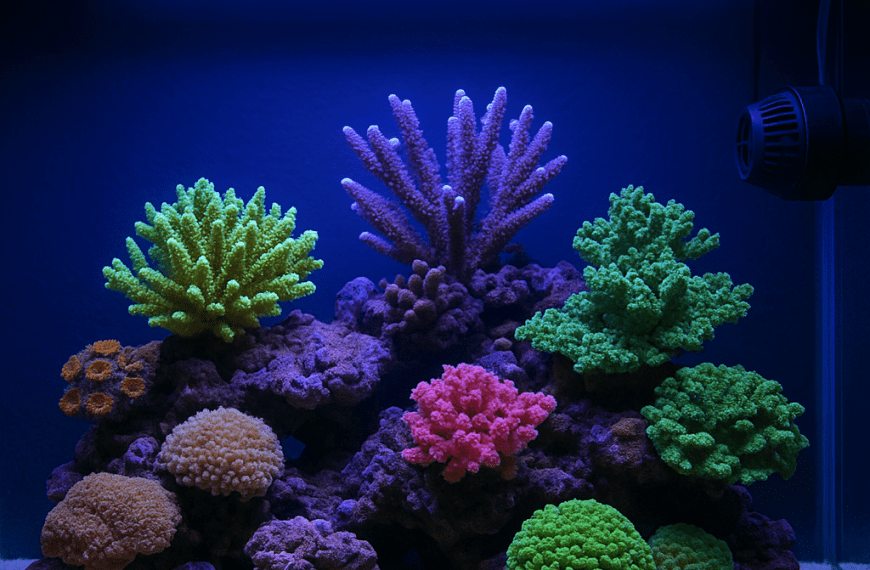
Different coral types thrive in different PAR zones:
- Soft corals & mushrooms: ~50–100 PAR
- LPS (large-polyp stony) corals: ~75–150 PAR
- Easy SPS (e.g., Montipora): ~150–250 PAR
- High-demand SPS (e.g., Acropora): ~250–350+ PAR
These are general guidelines, not strict rules. Always combine PAR numbers with what your corals are telling you: polyp extension, color, and growth rate.
How to Measure and Map PAR in Your Reef Tank
The most reliable way to understand your lighting is to measure PAR at multiple depths and positions. Many local fish stores and clubs rent PAR meters, so you don’t necessarily need to buy one.
Simple PAR Mapping Method
- Turn on only your full daytime lighting profile (no acclimation mode).
- Measure PAR in a grid pattern: front to back, left to right, and at 2–3 depths (sandbed, mid-level rockwork, upper rockwork).
- Write down readings or snap photos of the meter at each location.
- Compare those numbers to the target ranges for your coral types.
If you’re new to lighting, read our Beginner Reef Lighting Basics guide first for an overview of spectrum, mounting height, and fixture choices.
Adjusting PAR Safely: Intensity, Height, and Photoperiod
Once you know your numbers, you can fine-tune PAR without shocking your corals.
1. Change Intensity Slowly
- Increase or decrease LED intensity by no more than 5–10% per week.
- Use your light’s acclimation mode when making bigger changes or switching fixtures.
- Watch for signs of stress: bleaching (too much light) or browning/stretching (too little light).
2. Adjust Fixture Height
Raising the light spreads PAR more evenly but lowers peak intensity; lowering it increases peak PAR but can create hot spots.
- Most reef LEDs work well at 8–12 inches above the water surface.
- Re-check PAR whenever you change mounting height or add new rock structures.
3. Balance Photoperiod and Spectrum
PAR is about intensity, but total daily light matters too. A reasonable schedule is:
- Blue-heavy ramp up: 1–2 hours
- Full intensity “midday”: 6–8 hours
- Blue-heavy ramp down: 1–2 hours
For more on spectrum choices and color channels, see our in-depth Reef LED Spectrum Settings article.
Pro tip: Stability beats perfection. A tank with consistent, moderate PAR almost always outperforms a tank with wild swings and constantly changing settings.
Putting It All Together
A successful reef lighting plan starts with understanding PAR, mapping your tank, and then making small, deliberate adjustments. Aim for appropriate PAR zones for your coral mix, give them time to adapt, and track changes in color and growth over weeks, not days.
If you’re planning a new setup, pair this guide with our Reef Tank Planning Checklist so lighting, aquascape, and coral placement all work together from day one. With a clear PAR strategy, your reef can thrive with predictable growth and vibrant coloration.
Sources
- Delbeek, J. C., & Sprung, J. (1994–2005). The Reef Aquarium series. Ricordea Publishing.
- Borneman, E. H. (2001). Aquarium Corals: Selection, Husbandry, and Natural History. TFH Publications.
- Sanjay Joshi – Various articles and PAR studies on reef aquarium lighting data.
 By
By