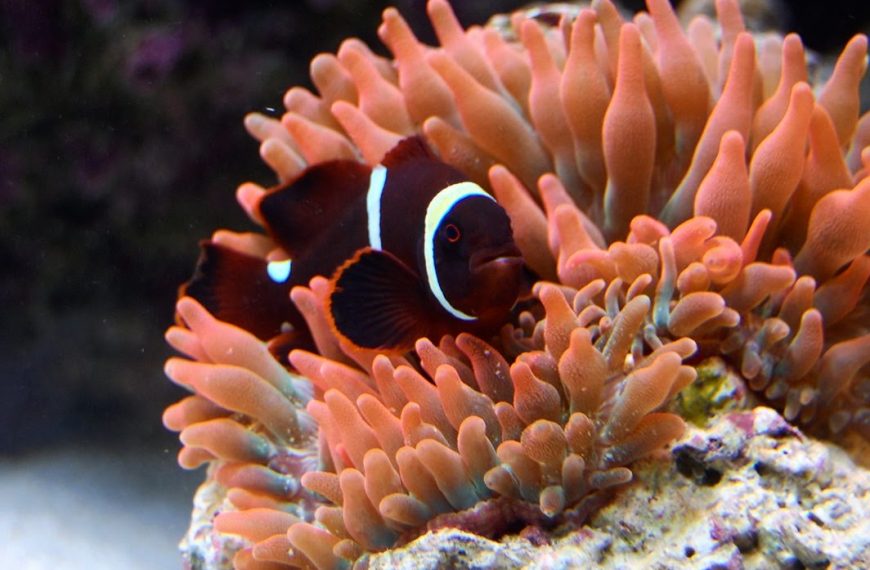
Keeping nitrates and phosphates in check is crucial for reef tank success. These nutrients can quickly spiral out of control without proper management. Maintaining the right balance ensures healthy coral growth and prevents unsightly algae blooms.
Understanding Nitrates and Phosphates in Reef Systems
Nitrates form as the end product of the nitrogen cycle. Beneficial bacteria convert ammonia to nitrites, then to nitrates. In reef tanks, aim for nitrate levels between 1-10 ppm. Levels above 20 ppm can stress corals and promote algae growth.
Phosphates enter your system through fish food, supplements, and tap water. Even trace amounts can fuel problem algae. Target phosphate levels should stay between 0.03-0.1 ppm for most reef systems. Higher levels often lead to brown algae outbreaks and poor coral coloration.
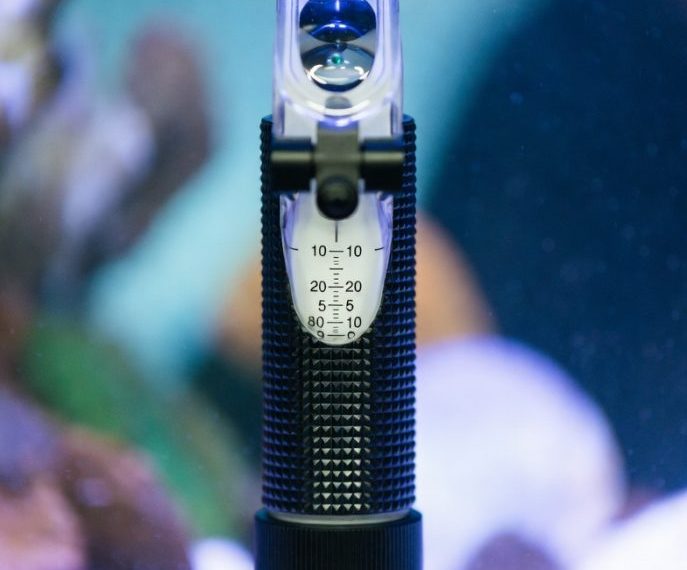
Both nutrients work together to feed unwanted algae. Controlling one without the other rarely solves algae problems. Test both parameters weekly using reliable test kits. Digital meters provide more accurate readings than color-matching tests. Keep detailed logs to track trends over time.
Regular water changes help remove accumulated nutrients naturally. Change 10-20% of your tank volume weekly. Use RO/DI water mixed with quality salt to avoid introducing new phosphates. Proper water quality testing ensures your source water stays pure.
Effective Nutrient Reduction Methods
Protein skimmers excel at removing organic waste before it breaks down. Size your skimmer for twice your tank volume for best results. Clean the collection cup every few days. Adjust air flow to produce thick, dark skimmate consistently.
Media reactors offer precise nutrient control through chemical filtration. GFO (granular ferric oxide) specifically targets phosphates. Carbon removes dissolved organics that feed bacteria. Run both media types in separate reactors for optimal flow rates.
- Replace GFO every 4-6 weeks or when phosphates rise
- Change carbon monthly to maintain effectiveness
- Rinse all media before use to remove dust
- Monitor flow rates to prevent media clumping
Biological methods provide natural nutrient export through living organisms. Macroalgae in refugiums consume nitrates and phosphates as they grow. Harvest overgrown algae weekly to permanently remove nutrients. Chaetomorpha and caulerpa work well for most systems.
Bacterial additives can help process excess nutrients more efficiently. Dose according to manufacturer instructions. Start with half the recommended amount to avoid bacterial blooms. Quality bacterial supplements establish beneficial microbial populations quickly.
Prevention and Maintenance Strategies
Feeding practices directly impact nutrient levels in your reef tank. Feed small amounts multiple times daily rather than large single feedings. Remove uneaten food within 5-10 minutes using a turkey baster. Frozen foods typically contain fewer phosphates than dried alternatives.
Equipment maintenance prevents nutrient buildup in hidden areas. Clean pump impellers monthly to maintain proper flow. Replace filter socks every few days or when visibly dirty. Vacuum sand beds lightly to remove detritus without disturbing beneficial bacteria.
- Test and record nutrient levels every 3-7 days
- Perform regular water changes of 10-20% weekly
- Clean protein skimmer cups every 2-3 days
- Replace mechanical filtration media regularly
- Monitor fish feeding amounts and frequency
Stock your tank appropriately to avoid bioload issues. Add fish gradually over several months. Research adult sizes before purchasing new specimens. Overstocked tanks struggle with nutrient control regardless of filtration methods. Proper stocking guidelines help maintain system stability.
Successful nutrient management requires consistent effort and monitoring. Combine multiple approaches for the best results. Regular testing helps you catch problems early before they affect your corals. With proper techniques, you can maintain the low-nutrient environment your reef inhabitants need to thrive.
 By
By