Reef tanks attract more than fish and corals. They also attract pests that hitchhike on rock and frags. Good pest control starts with planning and steady habits.
Know the common reef pests and early warning signs
Most outbreaks start with one missed hitchhiker. Aiptasia often appears as a single clear anemone. It may hide in a shaded crevice. It can spread fast with fragments.
Bubble algae looks like green marbles on rock. One popped bubble can release spores. Bryopsis and hair algae form tufts that trap detritus. Flatworms may look like rust-colored flakes on glass.
Coral pests need close inspection. Acropora-eating flatworms leave pale bite marks. Red bugs cause weak polyp extension. Montipora nudibranchs hide under plating edges. Eggs often look like tiny white spirals.
Track changes with simple checks. Use a flashlight at night. Look for new tissue loss lines. Watch for closed polyps after lights ramp up. Log findings in your reef tank maintenance checklist.
- Inspect new frags for 3 to 5 minutes per plug.
- Check shaded rock faces for Aiptasia and vermetid snails.
- Look under coral rims for eggs and tiny nudibranchs.
Prevention first: quarantine, dipping, and stable parameters
Prevention beats any cure in a reef tank. Set up a small coral quarantine tank. A 10 to 20 gallon tank works well. Use a heater, small powerhead, and simple light.
Quarantine for 14 to 30 days when possible. Inspect twice per week with a magnifier. Remove frag plugs if you can. Many eggs sit on plugs and epoxy. Mount frags on clean disks after quarantine.
Use coral dips as a screening step, not a guarantee. Follow the product dose exactly. Many hobbyists dip for 5 to 10 minutes. Use a second container for a rinse. Match salinity to 1.025 and temp to 77°F.
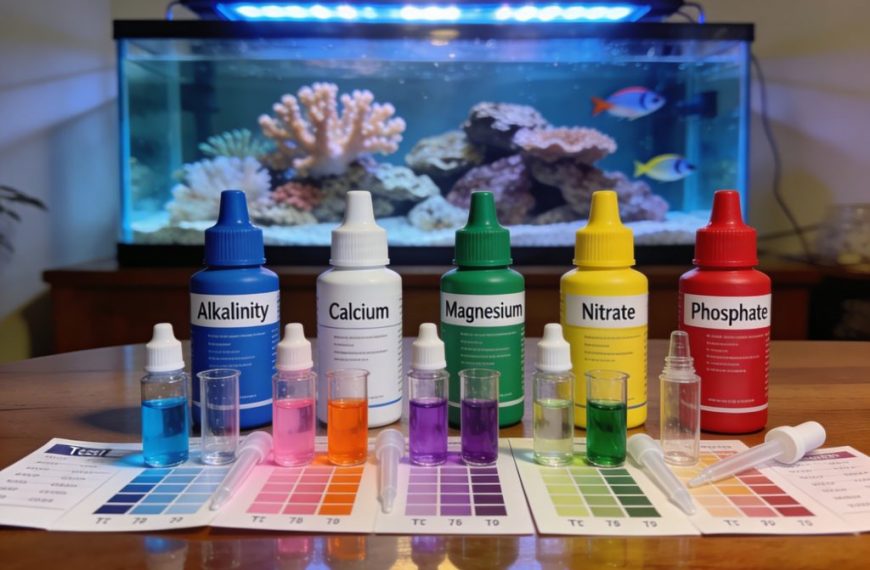
Stable water slows pest advantage. Keep nitrate at 5 to 15 ppm for mixed reefs. Keep phosphate at 0.03 to 0.10 ppm. Hold alkalinity steady, often 8 to 9 dKH. Review basics in reef water parameters.
- Quarantine corals 2 to 4 weeks when you can.
- Dip, rinse, then inspect with bright white light.
- Keep salinity stable within 0.001 specific gravity daily.
Control methods: manual removal, natural predators, and targeted treatments
Start with physical removal when the pest count is low. Scrape bubble algae with the rock out of water. Siphon while brushing hair algae. For Aiptasia, avoid tearing the stalk. Use a paste or injection method instead.
Biological controls can help, but they are not magic. Peppermint shrimp may eat small Aiptasia. Success varies by species and tankmates. A filefish may nip Aiptasia, but can nip corals too. Add predators only with a backup plan.
Targeted treatments work best with clear goals. Treat one pest at a time. Turn off pumps for 10 to 15 minutes during spot treatment. Remove activated carbon during dosing. Run fresh carbon after 24 hours if directions allow.
Troubleshoot common mistakes before you escalate. Overfeeding fuels algae and flatworms. Low flow creates detritus pockets. Old bulbs can shift spectrum and boost nuisance growth. Recheck your routine in clean-up crew guide.
- Siphon pests during a water change for easy export.
- Increase flow to remove dead spots behind rock.
- Reduce feeding by 20% if nutrients climb for two weeks.
Reef pest control is a process, not a single product. Combine inspection, quarantine, and steady parameters. When pests appear, act early and stay consistent. Your corals will reward the effort.
Sources: Borneman, E. (2001) Aquarium Corals; Delbeek & Sprung (1994–2005) The Reef Aquarium series; Fenner, R. (2008) The Conscientious Marine Aquarist.
 By
By