Choosing between the Sailfin Tang and the Desjardini Tang can be a tough decision for saltwater aquarium enthusiasts. Both species are known for their striking appearances and active behavior. However, understanding their specific needs and differences is crucial for a thriving aquarium.
The Sailfin Tang: A Graceful Swimmer
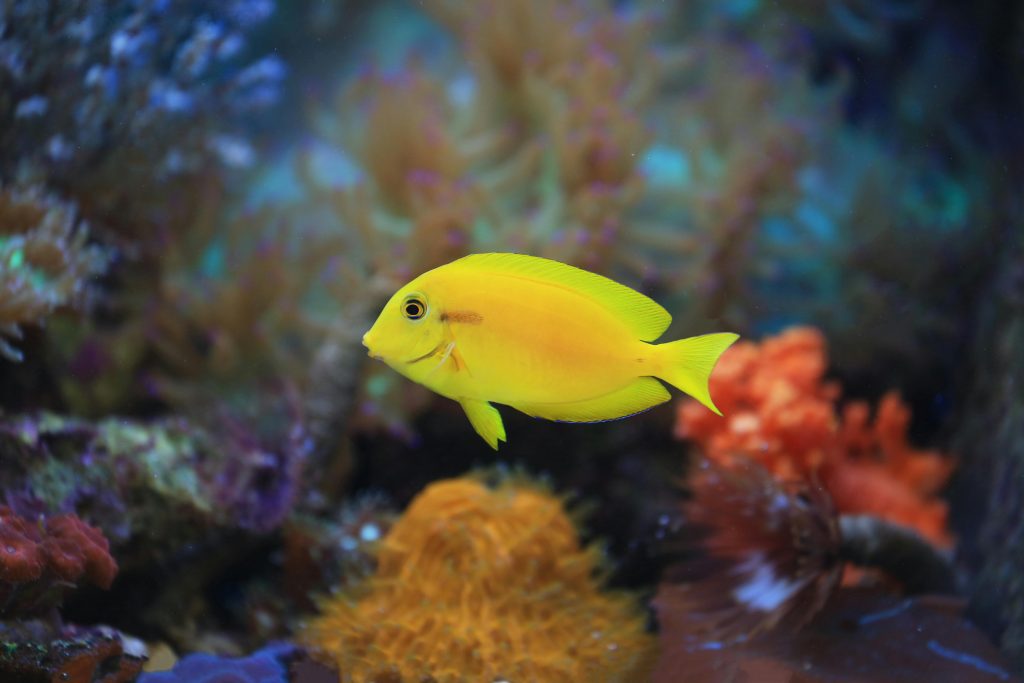
The Sailfin Tang, Zebrasoma veliferum, is renowned for its large, sail-like dorsal fin. This feature not only makes it an attractive addition to any tank but also requires ample swimming space. A minimum tank size of 100 gallons is recommended. They can grow up to 15 inches, so room to roam is essential.
These tangs are herbivores, thriving on a diet rich in marine algae. Offering them a variety of food options like spirulina, seaweed sheets, and blanched vegetables can keep them healthy. Feed them twice daily to ensure they receive adequate nutrition.
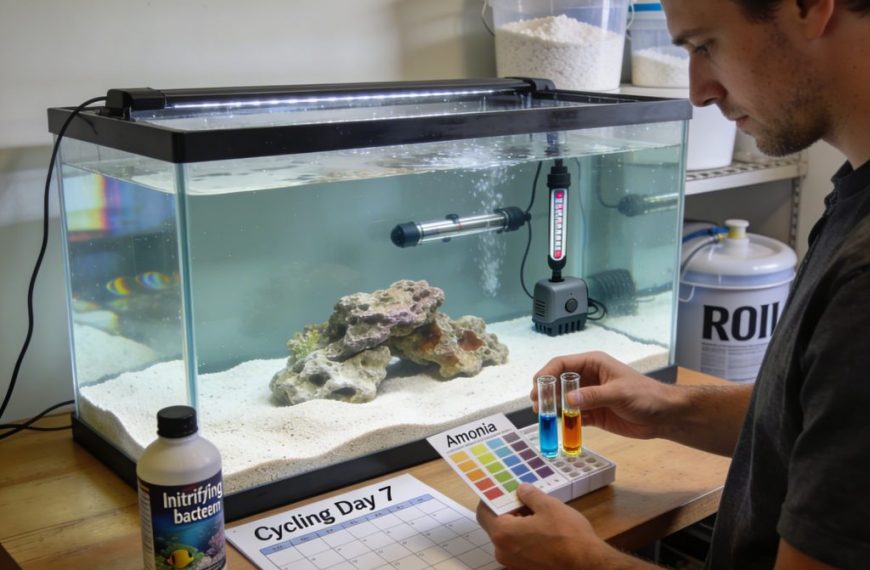
Water parameters are critical for the Sailfin Tang. Maintain a temperature between 72-78°F, a pH of 8.1-8.4, and a specific gravity of 1.020-1.025. Regular water changes and filtration are necessary to keep the environment stable.
The Desjardini Tang: An Exotic Beauty
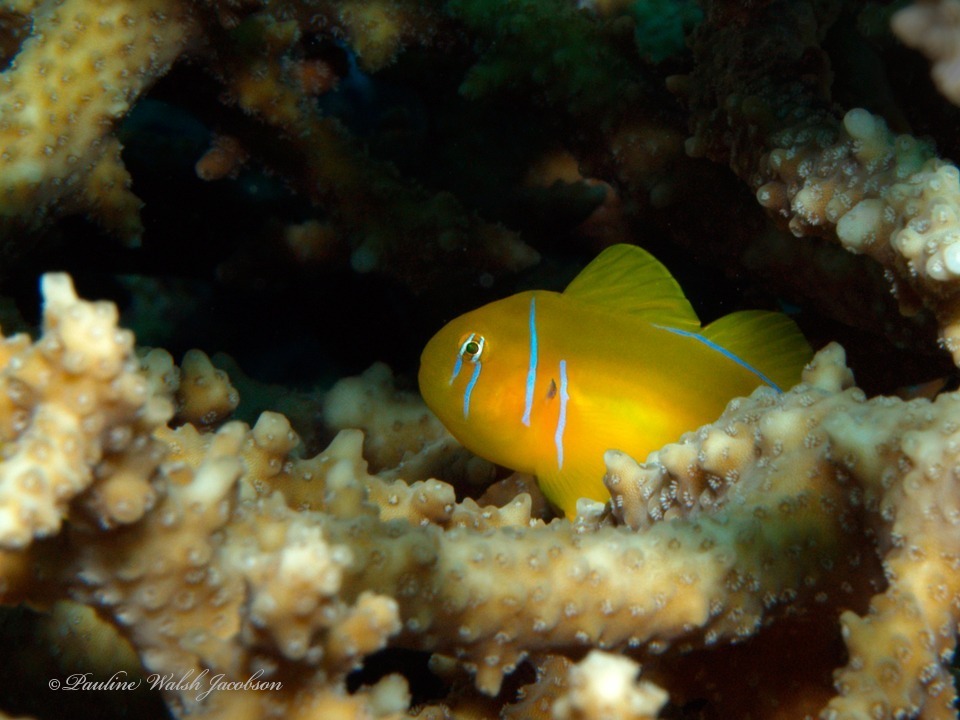
The Desjardini Tang, Zebrasoma desjardinii, is often admired for its intricate patterns and vibrant colors. Like the Sailfin Tang, it requires a spacious aquarium of at least 100 gallons. These tangs can reach up to 16 inches in length and enjoy swimming in open areas with plenty of hiding spots.
Feeding the Desjardini Tang involves offering a variety of algae-based foods. Incorporate seaweed, spirulina, and high-quality pellets into their diet. Feeding twice a day helps maintain their vivid coloration and overall health.
Ensure that the water conditions are optimal, with temperatures ranging from 74-80°F, a pH of 8.2-8.4, and a specific gravity of 1.021-1.026. Regular maintenance and monitoring of water quality are crucial to prevent stress and disease.
Practical Tips for Tang Care
Both the Sailfin and Desjardini Tangs require specific care. Here are some practical tips:
- Ensure adequate space for swimming. Larger tanks are ideal.
- Use high-quality filtration systems to maintain water quality.
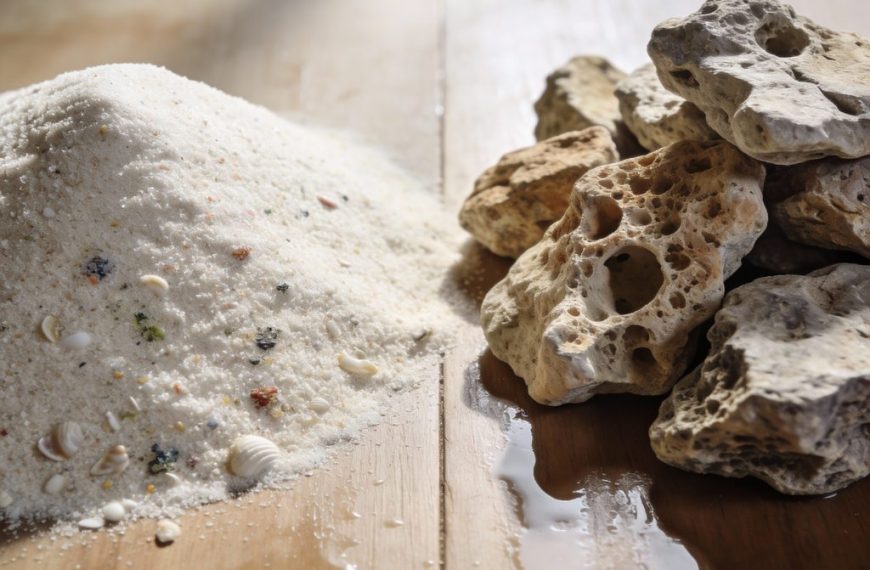
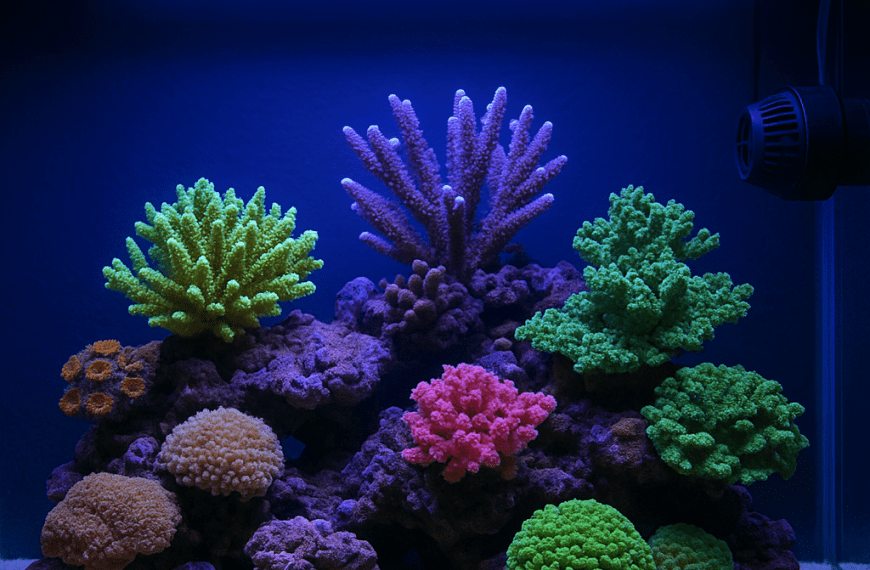
- Incorporate live rock for natural grazing and shelter.
When introducing new fish, observe for any signs of stress or aggression. The Sailfin Tang is generally peaceful but can become territorial in smaller tanks. The Desjardini Tang may show dominance, especially in cramped conditions.
Prevent common issues by maintaining stable water parameters. Monitor your fish for signs of illness, such as white spots or erratic swimming. If issues arise, consider a quarantine tank to treat affected fish.
In conclusion, both the Sailfin and Desjardini Tangs are excellent choices for an aquarium. Their care requirements are similar, but their unique features may sway your decision. Ensure you are prepared for their needs, and you’ll enjoy their beauty and activity in your tank.
 By
By