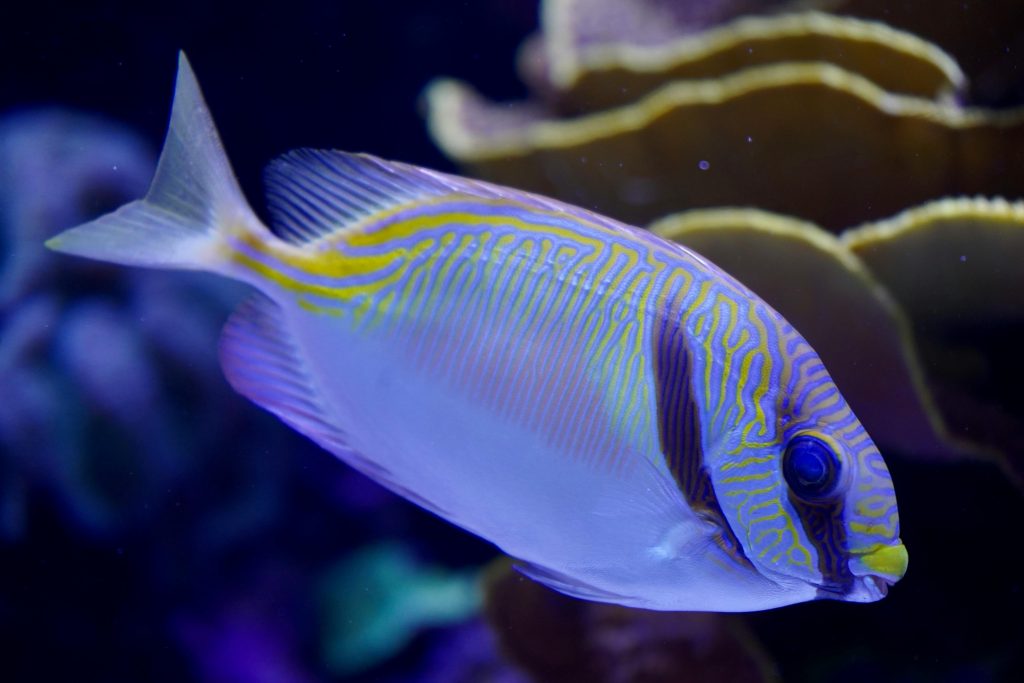
Scribbled rabbitfish are hardy, useful reef fish with big personalities. They graze algae all day and help keep rocks clean. They also have venomous spines, so smart handling matters.
Species profile and tank requirements
Scribbled rabbitfish are often sold as Siganus doliatus. Many shops label similar fish as scribbled rabbitfish. Confirm the ID before purchase. Expect an adult size near 10 to 12 inches.
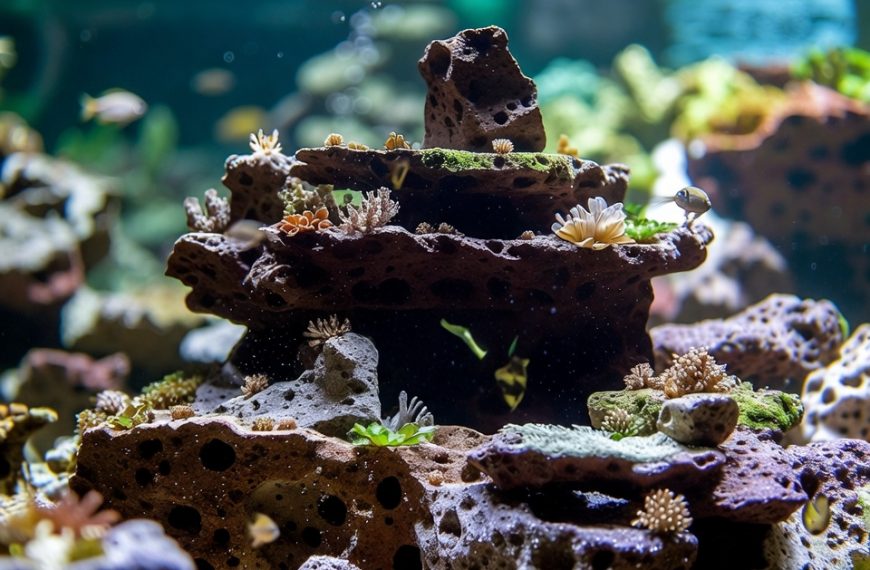
Choose a tank of 125 gallons or larger for long-term care. Provide open swimming lanes and rockwork for grazing. Use tight lids since rabbitfish can jump when spooked. Add strong flow and high oxygen levels.
Keep water stable and boring. Aim for 76–79°F, salinity 1.025–1.026, and pH 8.1–8.4. Maintain alkalinity 8–9 dKH and nitrate 5–20 ppm. Keep phosphate around 0.03–0.10 ppm for reefs.
Rabbitfish change color fast under stress. A pale body or blotchy pattern often signals fear. Dim lights during acclimation and provide hiding spots. Review our quarantine protocol before adding any new fish.
- Minimum tank: 125 gallons for adults, 6-foot length preferred.
- Rockwork: stable stacks with grazing surfaces and caves.
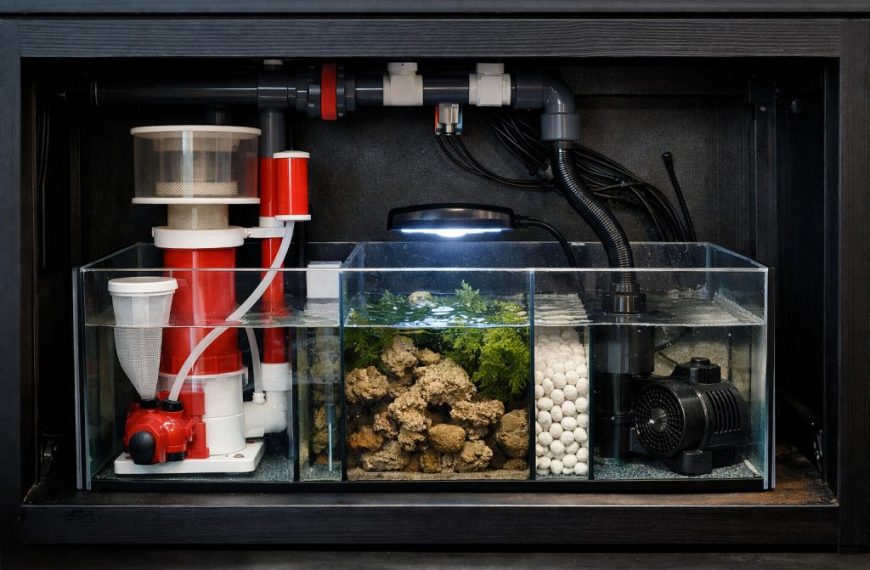
- Equipment: strong skimmer, surface agitation, and a tight-fitting lid.
Feeding, algae control, and coral safety
Scribbled rabbitfish are herbivores with an opportunistic streak. Feed them twice daily for best behavior. Offer dried nori on a clip in the morning. Provide a mixed frozen herbivore blend at night.
Add variety to prevent weight loss and head issues. Rotate spirulina flakes, pellets, and blanched greens. Try a 2 x 2 inch nori sheet for a 6–8 inch juvenile. Increase to 4 x 4 inches for larger fish.
They can be reef-safe with caution. Most ignore healthy corals when well fed. Hungry individuals may nip zoanthids, LPS flesh, or clam mantles. If you keep prized corals, plan a backup home.
Use the fish as part of an algae plan, not the whole plan. Reduce nutrients, increase export, and manage lighting. Pair grazing with manual removal for best results. See our nuisance algae control guide for a step-by-step approach.
- Feed algae-based foods before lights turn on to reduce coral nipping risk.
- Keep a nori clip in two locations to cut down on aggression.
- Remove uneaten nori after 2–3 hours to protect water quality.
Compatibility, quarantine, and safe handling
Rabbitfish are usually peaceful but can defend their space. Avoid adding them to small tanks with other large grazers. Watch for conflicts with tangs in 4-foot systems. In 6-foot tanks, they often coexist well.
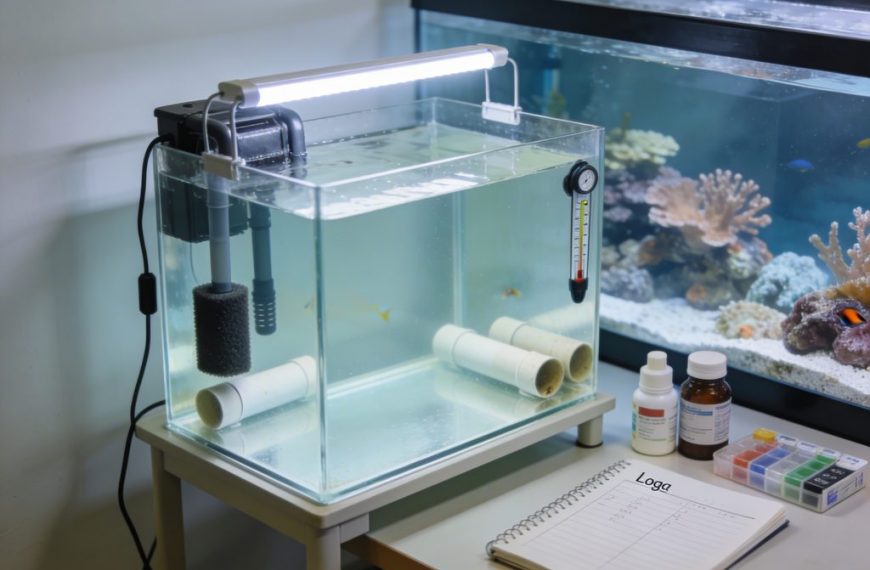
Quarantine for 21 to 30 days when possible. Observe for ich and velvet signs each day. Rabbitfish can be sensitive to harsh copper levels. If you use copper, follow a tested kit and stable dosing.
Handling is the biggest safety issue. Dorsal spines can deliver painful venom. Never net them with thin mesh. Use a specimen container or a thick bag for transfers. Wear puncture-resistant gloves if you must restrain.
Troubleshoot common problems early. If the fish stops grazing, check oxygen and ammonia first. Test ammonia at 0 ppm and nitrite at 0 ppm. If it hides all day, reduce tank bullying and increase cover.
- Stress colors: pale body, rapid breathing, and tight fins.
- First checks: temperature swing, low pH, and low dissolved oxygen.
- Common mistake: underfeeding while expecting “free” algae control.
Scribbled rabbitfish can be a great choice for large reefs and fish-only systems. Give them space, frequent plant-based meals, and steady parameters. Plan safe handling from day one, and you will enjoy a bold, helpful grazer.
Sources: FishBase (Siganus spp. general biology), Scott W. Michael “Marine Fishes” (rabbitfish husbandry notes), Fenner “The Conscientious Marine Aquarist” (quarantine and stocking guidance)
 By
By