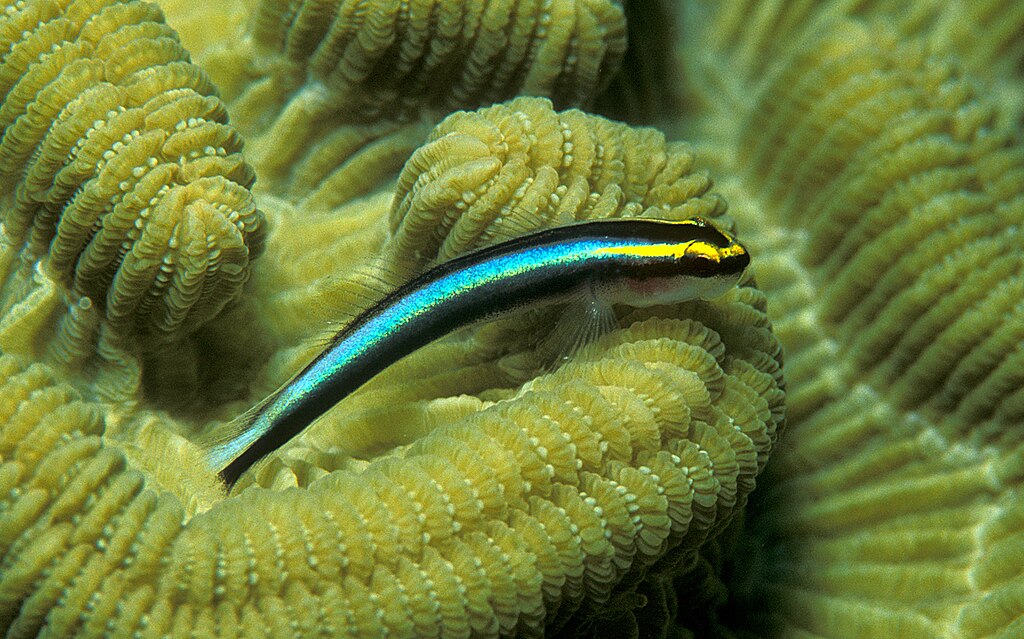
Sharknose Goby (Elacatinus evelynae): A Tiny Powerhouse for Your Reef Tank
The Sharknose Goby (Elacatinus evelynae) is a small, brightly colored Caribbean goby that’s perfect for many saltwater aquariums. With its electric blue and yellow stripes and active personality, this fish adds a surprising amount of life to a tank while taking up almost no space. It’s also a helpful cleaner, often picking parasites and dead tissue from tankmates.
If you’re building a peaceful community or nano reef, this goby can be a fantastic addition when its needs are understood and respected.
Natural Behavior and Compatibility
In the wild, Sharknose Gobies are found on Caribbean reefs, often perched on rock ledges or coral heads, waiting for larger fish to visit their “cleaning station.” In aquariums, they show similar behavior, perching on rockwork and darting out for food.
Tankmates
- Peaceful community fish such as clownfish, firefish, and smaller wrasses are usually excellent companions.
- Avoid aggressive or predatory fish (large wrasses, triggerfish, lionfish, big hawkfish) that may see this goby as food.
- They can be territorial with their own kind; in smaller tanks it’s often best to keep a single individual unless you have a known pair.
For more stocking ideas, see our guide on peaceful reef fish for community tanks.
Tank Setup and Care Requirements
Despite their small size (about 1.5–2 inches as adults), Sharknose Gobies still need a stable, mature system.
Minimum Tank Size and Aquascape
- Recommended minimum: 10–15 gallons for a single Sharknose Goby.
- Provide plenty of rockwork with caves, ledges, and overhangs for perching and hiding.
- Leave open sand or water columns where they can hover and feed.
Hobbyist Tip: Build at least one “cleaning station” — an elevated rock or coral branch where the goby can perch. You’ll see more natural behavior and interaction with tankmates.
Water Parameters
- Temperature: 76–80°F (24–27°C)
- Salinity: 1.024–1.026 SG
- pH: 8.0–8.4
- Ammonia and nitrite: 0 ppm; nitrate preferably < 15–20 ppm
Like many small reef fish, Sharknose Gobies thrive in stable, low-nutrient systems. Strong biological filtration and regular water changes are essential. If you’re new to reef-keeping, review our saltwater tank cycling guide before adding delicate fish.
Feeding, Health, and Long-Term Success
While Sharknose Gobies are famous for cleaning parasites and dead tissue from other fish, that behavior alone will not meet their nutritional needs in captivity.
Diet
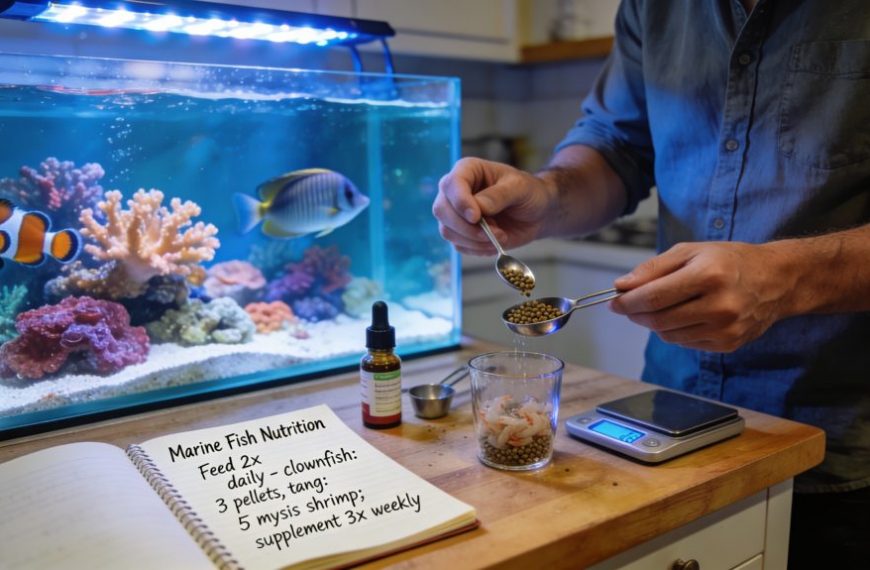
- Offer small meaty foods such as enriched brine shrimp, mysis shrimp, finely chopped seafood, and high-quality nano pellets.
- Feed 2–3 small meals per day, especially in tanks with lots of competition.
- Target feeding with a small pipette can help ensure they get their share.
Health and Lifespan
- Average lifespan in captivity is often 2–4 years with good care.
- They are relatively disease-resistant but can still carry or contract marine ich and other parasites.
- Quarantine new arrivals whenever possible to protect the rest of your fish.
Because of their cleaning behavior and small size, Sharknose Gobies are sometimes considered for nano reef pest control. They can help reduce minor parasite loads but should never be relied on as the sole treatment. For a deeper dive into maintaining healthy small systems, see our article on nano reef care and stability.
Is the Sharknose Goby Right for Your Aquarium?
If you maintain stable water parameters, feed small frequent meals, and choose peaceful tankmates, the Sharknose Goby can be a rewarding, active, and useful addition to your saltwater aquarium. Its tiny size, bold colors, and natural cleaning behavior make it especially well-suited for nano and medium-sized reef tanks.
With proper care and a thoughtfully planned aquascape, this little fish will spend its days perched, cleaning, and darting through your rockwork—bringing a slice of Caribbean reef life into your living room.
Sources
- Humann, P., & DeLoach, N. (2014). Reef Fish Identification: Florida, Caribbean, Bahamas. New World Publications.
- Michael, S. W. (2001). Marine Fishes: 500+ Essential-To-Know Aquarium Species. Microcosm Ltd.
- Sprung, J., & Delbeek, J. C. (1994–2005). The Reef Aquarium (Vols. 1–3). Ricordea Publishing.
 By
By