
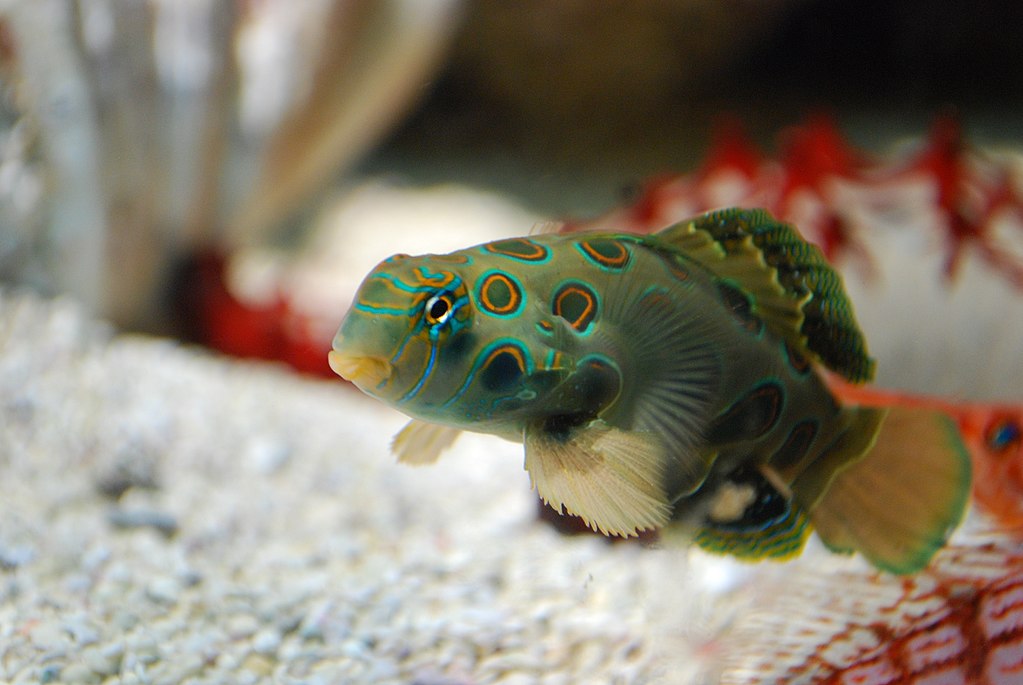
Spotted mandarins are small dragonets with big needs. They look hardy, but they starve fast in new tanks. With planning, they can thrive and spawn in reef systems.
Natural diet and why most mandarins fail
Spotted mandarins hunt tiny crustaceans all day. Copepods and amphipods are their main fuel. A thin fish can look “fine” for weeks. Then it crashes from slow starvation.
Plan for a mature pod population before purchase. Aim for a tank that is at least 75 gallons. Many hobbyists succeed in 55 gallons with a strong refugium. Success depends on pod density, not just volume.
Use a flashlight check at night to judge pods. Look on rock faces and glass edges. You should see dozens within one minute. If you see only a few, wait and build the food web.
A refugium helps pods reproduce without predation. A 10 to 20 gallon refugium is a strong start. Add rubble rock and macroalgae. Keep gentle flow so pods can graze and breed.
- Wait 6 to 9 months after cycling before adding a mandarin.
- Seed pods twice, two weeks apart, to boost diversity.
- Turn off UV for 24 hours after pod additions.
For more food-web planning, see our refugium setup guide. It pairs well with our copepods in reef tanks article.
Tank requirements, parameters, and compatibility
Keep water stable more than “perfect.” Target 24 to 26°C and 1.025 specific gravity. Keep pH at 8.1 to 8.4. Maintain alkalinity at 8 to 9 dKH for reef stability.
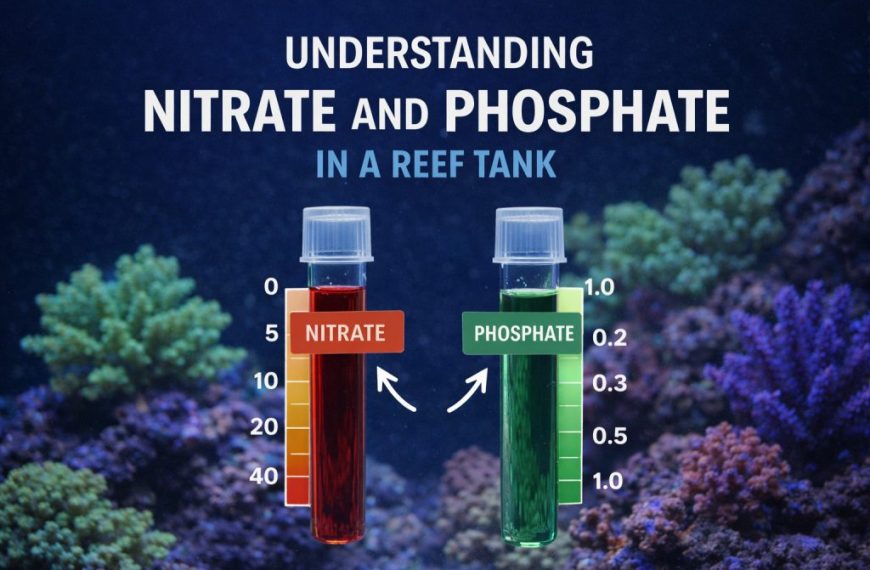
Keep ammonia and nitrite at 0 ppm always. Keep nitrate under 10 ppm, and phosphate under 0.10 ppm. These fish handle moderate nutrients. They struggle with sudden swings and dirty sand beds.
Provide lots of rock with caves and ledges. Mandarins perch and hop between hunting spots. Fine sand helps them rest and forage. Avoid sharp gravel that can scratch their belly.
Choose tank mates that do not outcompete them. Avoid wrasses that hunt pods hard. Avoid fast feeders like anthias in small tanks. Clownfish, gobies, and peaceful blennies usually work well.
- Use a tight lid or mesh top to reduce jumping risks.
- Run moderate flow with calm areas behind rock.
- Feed other fish away from the mandarin’s hunting zone.
If you keep other pod hunters, increase pod production. Add a larger refugium or a pod hotel. You can also rotate cultured pods into the display weekly.
Quarantine, training to prepared foods, and troubleshooting
Quarantine mandarins carefully. Bare tanks often fail due to lack of pods. Use a small cycled tank with live rock and a sponge filter. Add a pod pile and replace it weekly.
Many spotted mandarins can learn frozen foods. Start with live pods and live baby brine. Then mix in frozen cyclops or calanus. Use a small dish so food stays concentrated.
Feed 2 to 4 small meals daily during training. Turn off pumps for 10 minutes. Watch the fish peck and swallow, not just inspect. A trained fish should show a rounded belly by evening.
Common mistake one is adding them to a “clean” new reef. Common mistake two is trusting a single pod bottle. Common mistake three is keeping a sixline wrasse in a small tank. These issues cause slow weight loss.
- Pinched belly: add pods, reduce competition, increase meal frequency.
- Stops hunting: check temperature swings and oxygen at night.
- Cloudy water after feeding: cut portions and siphon uneaten food.
For step-by-step acclimation, read our saltwater fish acclimation guide. It covers drip timing and stress reduction.
Spotted mandarins reward patience and preparation. Build pods first, then add the fish. Keep parameters stable and watch body condition weekly. With steady food and calm tank mates, they can live for years.
Sources: Allen, Steene, Humann & DeLoach reef fish references; public aquarium husbandry notes on Synchiropus feeding ecology; peer-reviewed notes on copepod-based diets in marine fishes.
 By
By
.jpg)