Large marine fish can be the centerpiece of a saltwater tank. They also create the fastest path to overcrowding. Good stocking starts with adult size, behavior, and filtration capacity.
Plan for adult size, swimming room, and waste
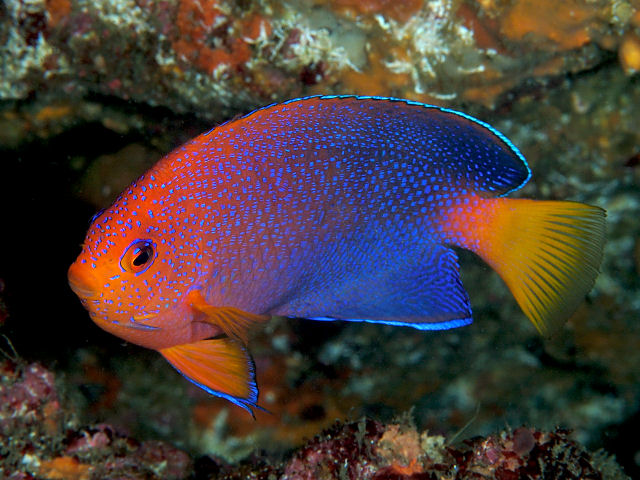
Stock for the fish’s adult length, not the store size. A 3-inch juvenile can become a 12-inch adult. Many triggers, angels, and groupers do this. Check expected size before you buy.
Use tank length as a hard limit for active swimmers. Aim for 6 feet of length for most large tangs. Use 8 feet for very active species. A 180-gallon tank is a common starting point. A 240-gallon gives much more stability.
Large fish produce heavy waste. Plan for 5–10 times tank volume per hour in total flow. Use a skimmer rated for 1.5–2 times your system volume. For a 180-gallon system, pick a skimmer rated 270–360 gallons. Add a refugium or algae reactor if nutrients rise.
Set target water parameters and keep them stable. Keep salinity at 1.025–1.026. Hold temperature at 76–79°F with a controller. Keep ammonia and nitrite at 0 ppm. Try to keep nitrate 5–20 ppm for fish systems. Keep phosphate under 0.10 ppm to limit algae.
- Measure fish length and compare to tank length, not gallons alone.
- Plan one “big waste” fish per 75–100 gallons as a starting rule.
- Build rockwork with open lanes for cruising and turning space.
Choose compatible species and a smart stocking order
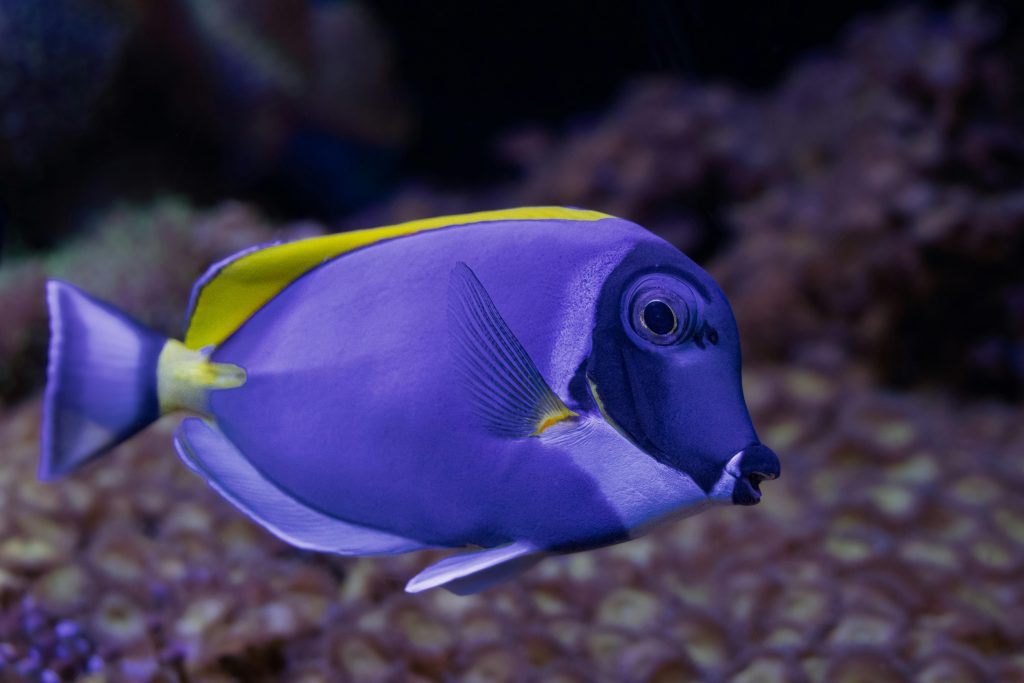
Mixing large fish is mostly about temperament. Tangs fight over algae and space. Triggers may bite fins and equipment. Large angels can harass new additions. Groupers may eat anything that fits their mouth.
Stocking order reduces conflict. Add the most peaceful fish first. Add semi-aggressive fish next. Add the most aggressive fish last. This helps prevent one fish from claiming the whole tank. It also lowers stress during introductions.
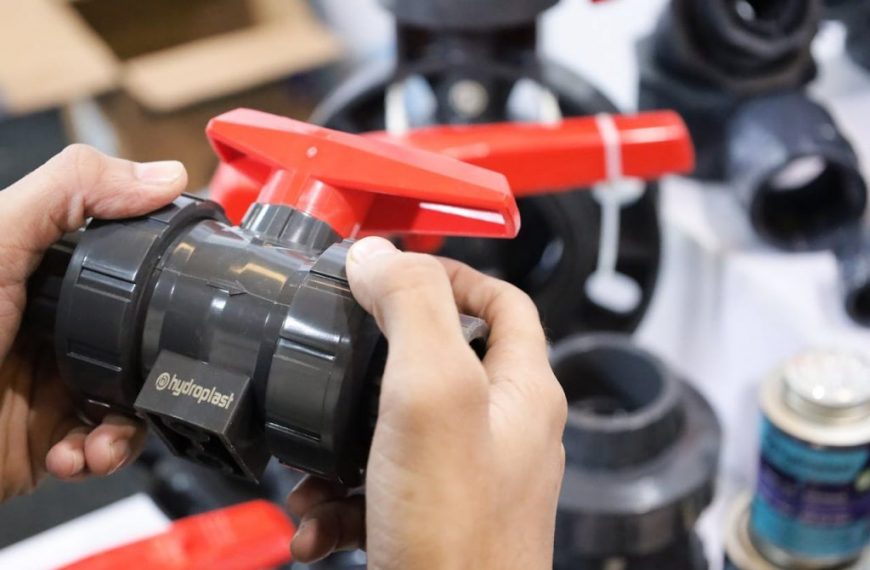
Use a quarantine tank for every large fish. Run a 40–75 gallon QT for big juveniles. Use PVC elbows for shelter. Observe for 2–4 weeks. Watch for ich spots, heavy breathing, and flashing. If you need a refresher, review our quarantine setup guide.
When you add the fish, reduce aggression with simple tricks. Rearrange a few rocks before release. Feed the display right before introduction. Use an acclimation box for 24–72 hours. This works well for tangs and angels. See our fish introduction checklist for a step plan.
- Add fish in 2–3 week intervals to let filtration catch up.
- Avoid mixing similar-shaped tangs in short tanks.
- Do not pair a grouper with fish under 4–5 inches.
Feeding, maintenance, and troubleshooting common problems
Large fish need frequent, controlled feeding. Feed two times per day for most species. Offer algae sheets for tangs and angels each morning. Offer meaty frozen foods at night. Use 1–2 cubes per 50 gallons as a starting point. Adjust based on nitrate trends.
Maintenance must match the bioload. Change 10–15% of water each week on heavy systems. Vacuum detritus from bare spots in the sump. Clean the skimmer neck every 2–3 days. Replace filter socks every 2–4 days. These steps prevent nitrate creep and cloudy water.
Aggression is the top failure point with large fish. Watch for torn fins and hiding. Look for one fish guarding a cave or corner. If it happens, add more line-of-sight breaks. Use a mirror on the glass for tangs. Temporarily isolate the bully for 7–14 days.
Another common issue is oxygen drop at night. Big fish breathe hard when oxygen is low. Add surface agitation and aim powerheads upward. Keep pH from swinging with good gas exchange. If you need help tuning flow, see our aquarium flow guide.
- Test nitrate weekly during the first 60 days after new additions.
- Keep a spare heater and air pump ready for emergencies.
- Stop buying fish when you hit stable, repeatable parameters.
Stocking large marine fish works best with a long-term plan. Buy for adult size and temperament. Build filtration and routines around waste and oxygen needs. With patience, you can keep impressive fish for years.
Sources: Fenner, R. (The Conscientious Marine Aquarist); Delbeek & Sprung (The Reef Aquarium, Vol. 1–3); Tullock, J.H. (Natural Reef Aquariums)
 By
By