


Large reef tanks can house some of the most impressive tang species. The key is space, stability, and smart stocking. In this guide, you will learn which tangs suit big reef aquariums, how to mix them safely, and how to keep them healthy long term.
Tangs are classic reef fish for a reason. They bring motion, color, and constant grazing behavior. They also help control algae. Still, they are not all equal. Some stay manageable. Others become large, dominant swimmers that need serious room. In a large reef tank, that extra volume opens the door to species that would be cramped in smaller systems. It also gives you more options for keeping groups or mixing genera. Success depends on more than gallons alone. Aquascape, feeding, quarantine, and introduction order all matter. This article covers the best tangs for large reef tanks, ideal tank sizes, compatibility, feeding, and common mistakes to avoid.
Quick Reference Table
| Species | Adult Size | Minimum Tank | Temperament | Reef Safe |
|---|---|---|---|---|
| Yellow Tang | 7-8 inches | 120 gallons | Semi-aggressive | Yes |
| Purple Tang | 8-10 inches | 180 gallons | Aggressive | Yes |
| Kole Tang | 7 inches | 100 gallons | Moderate | Yes |
| Tomini Tang | 6 inches | 90 gallons | Moderate | Yes |
| Powder Blue Tang | 9 inches | 180 gallons | Aggressive | Yes |
| Achilles Tang | 9-10 inches | 240 gallons | Aggressive | Yes |
| Sohal Tang | 14-16 inches | 300 gallons | Very aggressive | Yes |
| Naso Tang | 16-18 inches | 240 gallons | Generally peaceful | Yes |
| Blonde Naso Tang | 16-18 inches | 240 gallons | Generally peaceful | Yes |
| Hippo Tang | 10-12 inches | 180 gallons | Moderate | Yes |
Use these numbers as practical minimums. Bigger is always better with tangs. Long tanks matter more than tall tanks. These fish need open swimming lanes and stable territory.
What Counts as a Large Reef Tank for Tangs?
For tang keeping, a large reef tank usually starts around 180 gallons. That size supports several medium tangs if the layout is right. Once you reach 240 gallons and above, your options improve a lot. Long tanks are best. A six foot tank is a good baseline. An eight foot tank is even better for active species.
Many hobbyists focus only on total gallons. That can be misleading. A tall 180 gallon tank may hold water volume, but it offers less swimming length. Tangs cruise all day. They need room to accelerate, turn, and establish distance from rivals. Large systems also dilute waste better. That matters because tangs eat heavily and produce a lot of waste. If you want multiple tangs, think in terms of footprint, aquascape, and filtration capacity. Big skimmers, strong flow, and mature rockwork all help. Stable tanks keep tangs calmer and more disease resistant.
Best Tangs for Large Reef Tanks
Some tangs are especially well suited to large reefs. Yellow tangs remain favorites because they are hardy, active, and bright. In big tanks, they often do well in groups if added carefully. Kole and Tomini tangs are excellent algae grazers. They stay smaller and usually adapt well.
Hippo tangs are popular for their color and personality. They need strong swimming space and secure rockwork to retreat into. Powder Blue and Achilles tangs are stunning, but they are advanced choices. They demand excellent oxygenation, pristine water, and strict quarantine. Naso tangs are ideal for very large reefs. They are graceful, visible, and often less combative than many Acanthurus species. Purple tangs are beautiful but bossy. Sohal tangs are spectacular, yet they often become tank tyrants. Keep them only in very large systems with careful planning. If your goal is a peaceful community, choose species with different body shapes and temperaments.
Natural Habitat and Behavior
Tangs live across the Indo-Pacific, Red Sea, and Hawaiian regions. Most inhabit coral reefs, surge zones, and outer reef slopes. In nature, they spend much of the day grazing algae or plankton. They cover large distances. That constant movement explains their need for long aquariums and high oxygen levels.
Different genera behave differently. Ctenochaetus tangs, such as Kole and Tomini tangs, sift film algae and detritus from surfaces. Zebrasoma tangs, like Yellow and Purple tangs, browse algae from rock and glass. Acanthurus tangs are often faster and more territorial. Naso tangs roam open water and need broad swimming lanes. Understanding this helps with stocking. Fish that feed in different ways can coexist more easily. It also helps with aquascaping. A reef built only as a wall of rock may look full, but it limits movement. Tangs do best when the tank mimics reef edges with open water, grazing surfaces, and strong current.
Aquarium Setup for Large Tang Species
A tang-friendly reef starts with open structure. Avoid packing the tank with dense rock from end to end. Leave long channels at the front and back. Create islands, arches, and gaps. This gives tangs clear routes and breaks line of sight. That reduces aggression.
Use mature live rock or biologically active dry rock. Tangs graze all day. Natural film algae and microfauna help keep them occupied. Strong filtration is essential. Oversize your protein skimmer if possible. Add mechanical filtration and good export methods. Refugiums can help with nutrient balance and natural food production. Keep the lid secure. Some tangs can jump when startled. Temperature should stay stable. Salinity should not swing. Sudden changes stress tangs quickly. If you plan to keep several species, set up the tank to distribute territory. Caves matter, but open water matters more. In large reefs, flow should be broad and turbulent rather than a single harsh jet.
Lighting Requirements
Tangs do not have special lighting needs like corals do. Their needs are indirect. Good reef lighting supports algae growth on rock surfaces and keeps the tank on a natural day cycle. That encourages normal grazing behavior. In mixed reefs, choose lighting based on coral needs first.
Very intense light can make shy tangs hide if the aquascape lacks shelter. Balance bright zones with shaded areas. This is especially useful for new fish during acclimation. A stable photoperiod helps reduce stress. Sudden light changes can trigger panic and aggression. If you run a high-powered SPS system, make sure fish still have calm, dimmer retreats. Tangs often settle better when they can move between bright grazing zones and sheltered spaces. Lighting also affects algae type. Healthy film algae is useful. Nuisance outbreaks are not. Keep nutrients and cleanup routines balanced so your tangs can graze naturally without relying on uncontrolled algae growth.
Water Flow and Oxygenation
Tangs thrive in strong, oxygen-rich water. They come from active reef zones with constant movement. In aquariums, broad random flow works best. It keeps waste suspended, supports coral health, and improves gas exchange. This is especially important for species like Achilles and Powder Blue tangs.
Aim for flow that moves the whole tank. Avoid dead spots behind rockwork. Surface agitation is critical. Large tangs have high oxygen demand, especially in warm water. If fish breathe heavily, check dissolved oxygen, temperature, and flow. Extra powerheads can help. So can a clean overflow and strong return movement. Do not blast one fish with a narrow stream. That creates stress rather than healthy exercise. In large reefs, alternating gyre patterns often work well. They create long swimming lanes and variable current. Good flow also helps reduce detritus buildup, which supports better water quality and fewer disease problems.
Feeding Tangs in a Reef Aquarium
Feed tangs often and feed for variety. This is one of the biggest keys to success. Tangs are constant grazers. One small feeding per day is rarely enough. Offer dried nori daily. Use a clip in more than one location if you keep multiple tangs. This reduces competition.
Also feed quality frozen foods and pellets. Spirulina blends, mysis, brine with enrichment, and herbivore pellets all work well. Rotate foods to cover nutrition gaps. Well-fed tangs are less aggressive. They also resist disease better and maintain fuller body shape. Watch the belly and shoulder area. Pinching there often means underfeeding or internal issues. Garlic is optional, not essential. Vitamin soaking can help during stress or recovery. Remove uneaten sheets before they foul the tank. If a tang ignores algae sheets at first, rubber-band nori to a rock. Some fish accept it more naturally that way. For more nutrition basics, see reef tank feeding guide, quarantine for reef fish, and reef tank nutrient control.
Compatibility and Mixing Multiple Tangs
Large reef tanks give you more flexibility, but tang aggression is still real. The safest approach is mixing different genera and body shapes. For example, a Yellow Tang, Kole Tang, Hippo Tang, and Naso Tang often mix better than two similar Zebrasoma tangs. Similar fish compete more directly.
Add tangs with a plan. Introduce the most aggressive species last. If possible, add several tangs at once in a large tank. This can spread aggression. Rearranging some rockwork before introduction also helps. Use acclimation boxes when needed. Watch for tail slapping, chasing, and blocked feeding. Short displays are normal. Constant harassment is not. Invertebrates and corals are usually safe with tangs. Most species are reef safe. Rare individuals may nip fleshy LPS or clam mantles if underfed. Tangs usually ignore shrimp, snails, and crabs. For stocking help, also review beginner reef fish compatibility and clean up crew for reef tanks.
Step-by-Step Plan for Adding Tangs to a Large Reef
- Choose species based on adult size, not store size.
- Confirm your tank has enough length and open swimming space.
- Quarantine every tang before display introduction.
- Train new fish onto nori, frozen foods, and pellets.
- Add peaceful or shy tangs before aggressive species.
- Use an acclimation box for difficult introductions.
- Place multiple algae clips in the tank.
- Monitor feeding, chasing, and breathing during the first week.
- Keep water quality stable and oxygen high.
- Remove a bully early if aggression escalates.
This simple process prevents many common failures. Most tang losses happen from disease, starvation, or aggression during the first month.
Common Problems
Tang aggression in large tanks
Large volume helps, but it does not erase territorial behavior. Similar species often fight hardest. Add mirrors temporarily, use acclimation boxes, and increase feeding stations. If one fish controls the whole tank, removal may be the only fix.
Ich and velvet susceptibility
Tangs are notorious for external parasites. Stress makes this worse. Quarantine is not optional for valuable tangs. Maintain stable salinity, high oxygen, and strong nutrition. Never rely on luck with Powder Blue or Achilles tangs.
Weight loss despite eating
A tang that eats but stays thin may face bullying, poor diet, or internal parasites. Observe feeding closely. Make sure the fish actually swallows enough food. Increase algae access and vary foods. Quarantine evaluation may be needed.
Nipping at corals
This usually points to hunger or boredom. Increase algae feeding first. Add more grazing surfaces and clips. Most tangs remain reef safe when well fed and not overcrowded.
Frequently Asked Questions
How many tangs can I keep in a 180 gallon reef tank?
Usually two to four, depending on species, tank length, and aquascape. Choose different genera and avoid overcrowding.
What is the most peaceful tang for a large reef?
Kole, Tomini, and Naso tangs are often calmer choices. Individual behavior still varies.
Can tangs live with SPS and LPS corals?
Yes. Most tangs are reef safe. Occasional nipping can happen if the fish is underfed or stressed.
Do tangs need to eat seaweed every day?
Yes. Daily algae feeding is strongly recommended. It supports digestion, immunity, and natural behavior.
Is a Sohal Tang a good choice for a community reef?
Usually no, unless the tank is very large and the keeper has experience with aggressive tangs. They often dominate mixed communities.
Final Thoughts
Tangs can be the centerpiece fish in a large reef tank. They reward good planning with constant movement and useful algae grazing. The best results come from matching species to tank size, feeding heavily, and managing aggression before it becomes serious. If you choose carefully, quarantine properly, and give them room to swim, tangs can thrive for many years in a mature reef system.
Was this helpful?
Related Posts
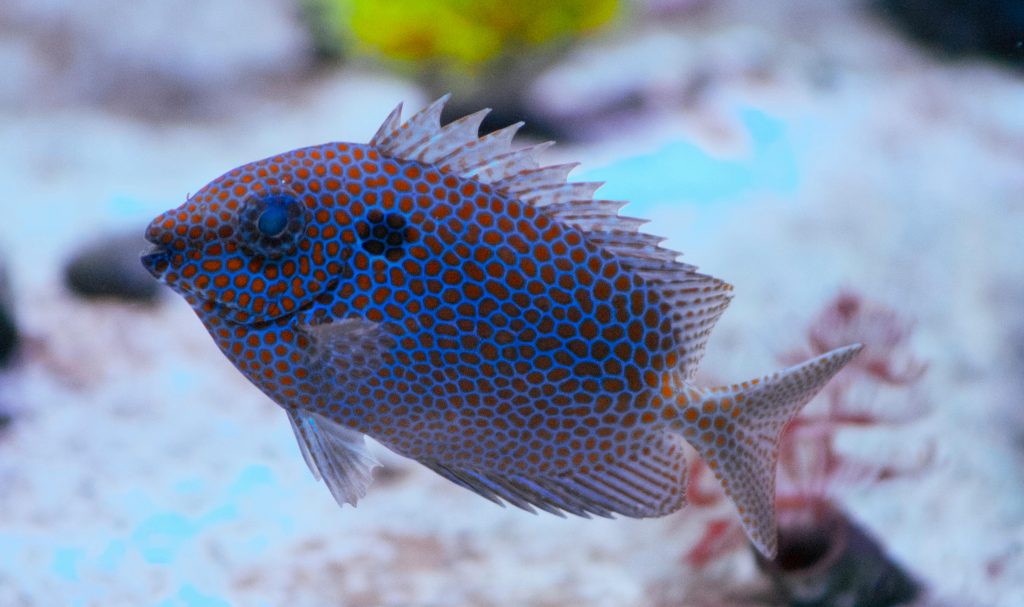
Gold Spotted Rabbitfish (Siganus Punctatus)
Gold Spotted Rabbitfish care includes large tanks, heavy algae feeding, and caution with corals. Learn tank size, diet,…
 By
By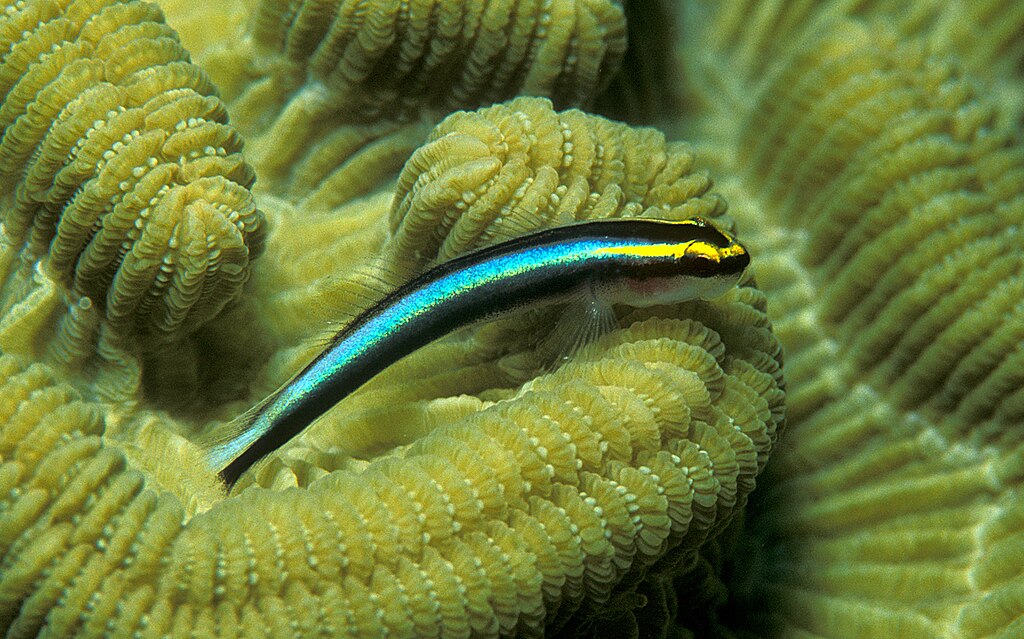
Sharknose Goby (Elacatinus evelynae)
Sharknose Goby care is simple in stable reef tanks. Learn feeding, tank setup, compatibility, and common problems for…
[favorite_button]
My Bookmarks:
To see full list click here
[user_favorites user_id="" include_links="true" site_id="" post_types="" include_thumbnails="true" thumbnail_size="thumbnail" include_excerpt="false"]