
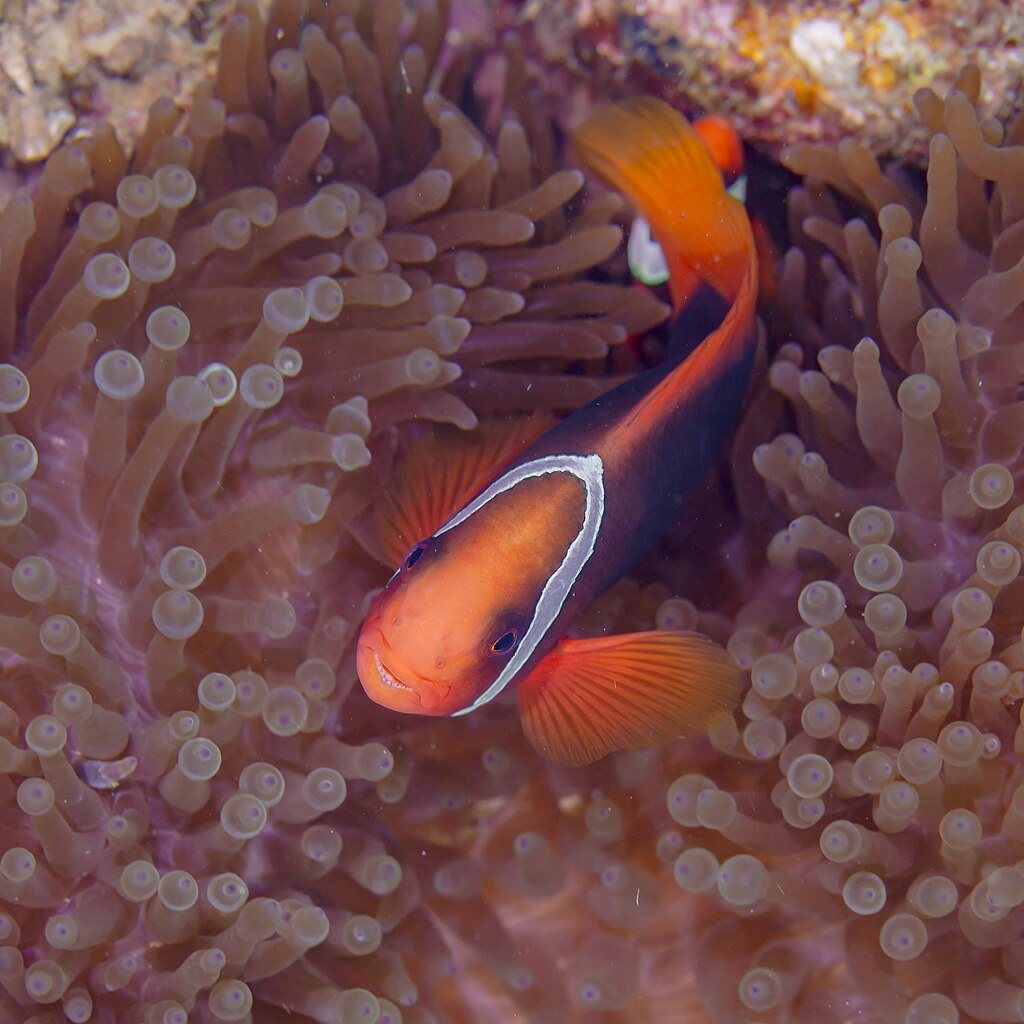
Tomato clownfish are bold, hardy, and full of personality. They suit many reef tanks, but they still need planning. This guide covers care, tank setup, and common issues.
Care basics and behavior
Tomato clownfish (Amphiprion frenatus) reach about 5 inches as adults. Females grow larger than males. They can live 10 years or more with stable care. Their deep orange color often darkens with age.
They are tougher than many clowns, but they can be aggressive. This is most obvious in smaller tanks. A bonded pair may defend a large area near their host. Plan tankmates around that behavior.
Start with one juvenile if you want a pair later. Add a smaller second fish after the first settles. Watch for bullying during the first week. Use an acclimation box if needed.
- Minimum tank size: 30 gallons for one, 40 gallons for a pair
- Best temperature: 25–26°C (77–79°F)
- Target salinity: 1.025 specific gravity
- Keep ammonia and nitrite at 0 ppm at all times
For more on pairing strategies, see clownfish pairing guide. For tankmate ideas, check reef-safe fish list.
Tank setup, parameters, and hosting
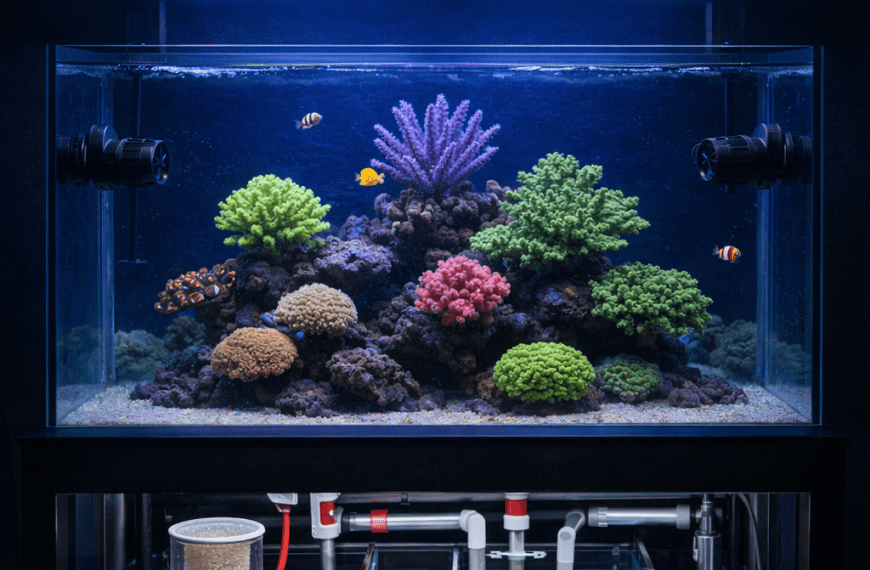
Tomato clowns do well in mixed reefs and fish-only systems. Provide rockwork with a few caves. Leave open water for swimming. Use a tight lid, since clowns can jump when startled.
Aim for stable reef parameters. Keep pH between 8.1 and 8.4. Maintain alkalinity at 8–9 dKH. Keep nitrate under 20 ppm, and phosphate under 0.10 ppm. Stability matters more than chasing perfect numbers.
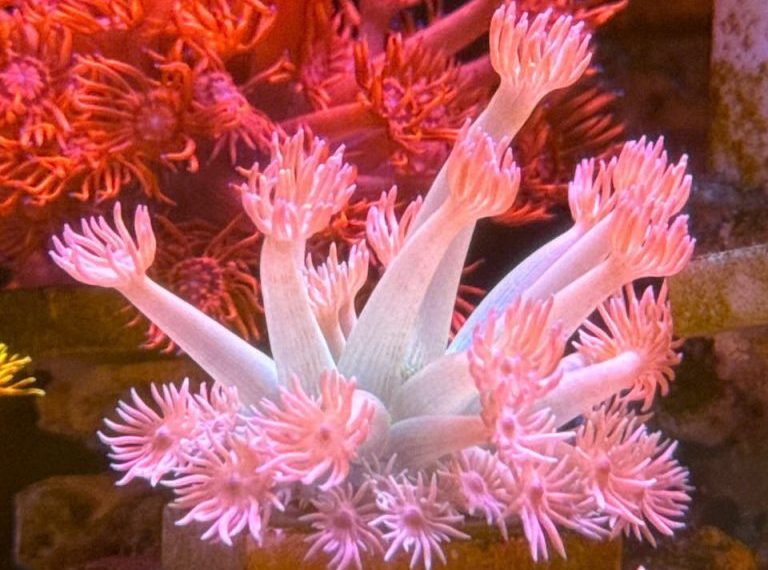
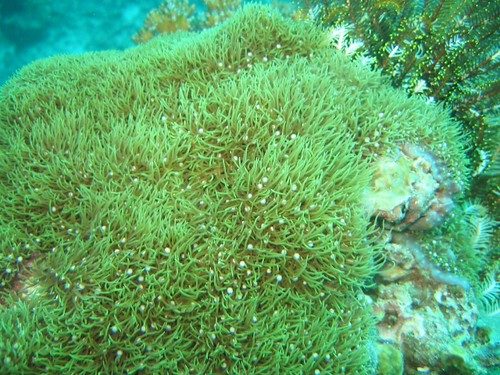
They may host in anemones, but it is not required. Many will choose frogspawn, torch, or hairy mushrooms. Some will host powerheads, overflows, or corners. Protect intakes with guards to prevent injuries.
- Use a sponge prefilter on intakes near their chosen “nest”
- Add a small rock “stage” where you want them to settle
- Keep flow moderate near their sleeping area
- Do weekly 10–15% water changes in new systems
If you want an anemone, wait for a mature tank. Six months is a safer minimum. Keep lighting and nutrients consistent. Read anemone care basics before buying.
Feeding, quarantine, and troubleshooting
Feed tomato clowns twice daily for best condition. Offer small portions they finish in 30–60 seconds. Use a mix of frozen mysis, enriched brine, and chopped seafood. Add a quality pellet for vitamins and consistency.
Soak foods in a vitamin supplement once or twice weekly. This helps prevent head and lateral line erosion. It also supports immune function. Do not overfeed, since they beg aggressively.
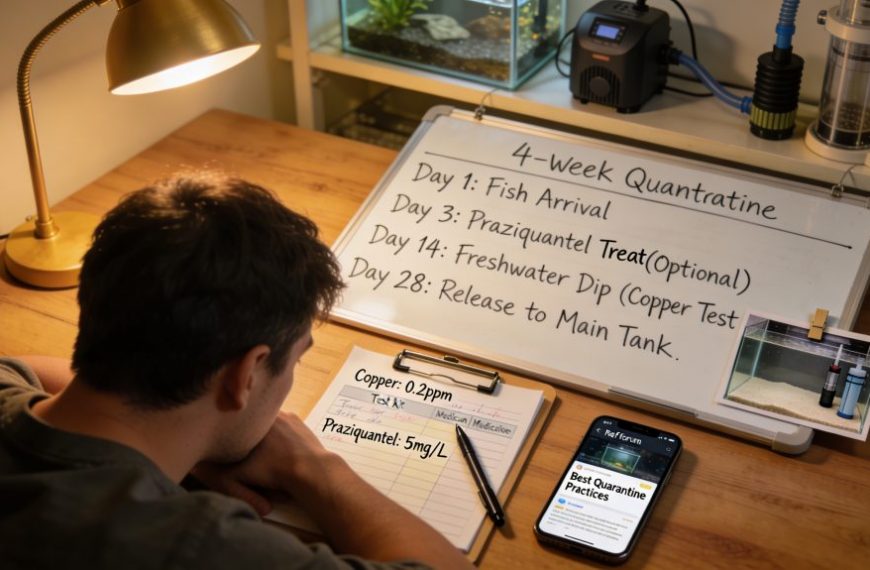
Quarantine new fish for 2–4 weeks when possible. Use a bare tank with a sponge filter and PVC hides. Observe for spots, flashing, and heavy breathing. Treat early, since clownfish can carry parasites without obvious signs.
Common mistakes include adding them to tiny tanks and mixing with timid fish. Another issue is unstable salinity from top-off errors. Use an auto top-off, or top off daily. If aggression spikes, rearrange rockwork and add visual breaks.
- Rapid breathing: check temperature, oxygen, and ammonia first
- White spots: isolate and treat, then fallow the display if needed
- Not eating: reduce light, offer live foods, and test for ammonia
- Fin tearing: add hiding spots and reduce stocking pressure
Sources: FishBase (Amphiprion frenatus species profile); Scott W. Michael, Marine Fishes (TFH); Borneman, Aquarium Corals (reef husbandry context).
Tomato clownfish reward good planning with years of hardy, colorful behavior. Give them stable parameters and a sensible tank size. Manage aggression early, and they will thrive in many reef setups.
 By
By
_en_una_an%C3%A9mona_magn%C3%ADfica_(Heteractis_magnifica),_Anilao,_Filipinas,_2023-08-22,_DD_208.jpg)