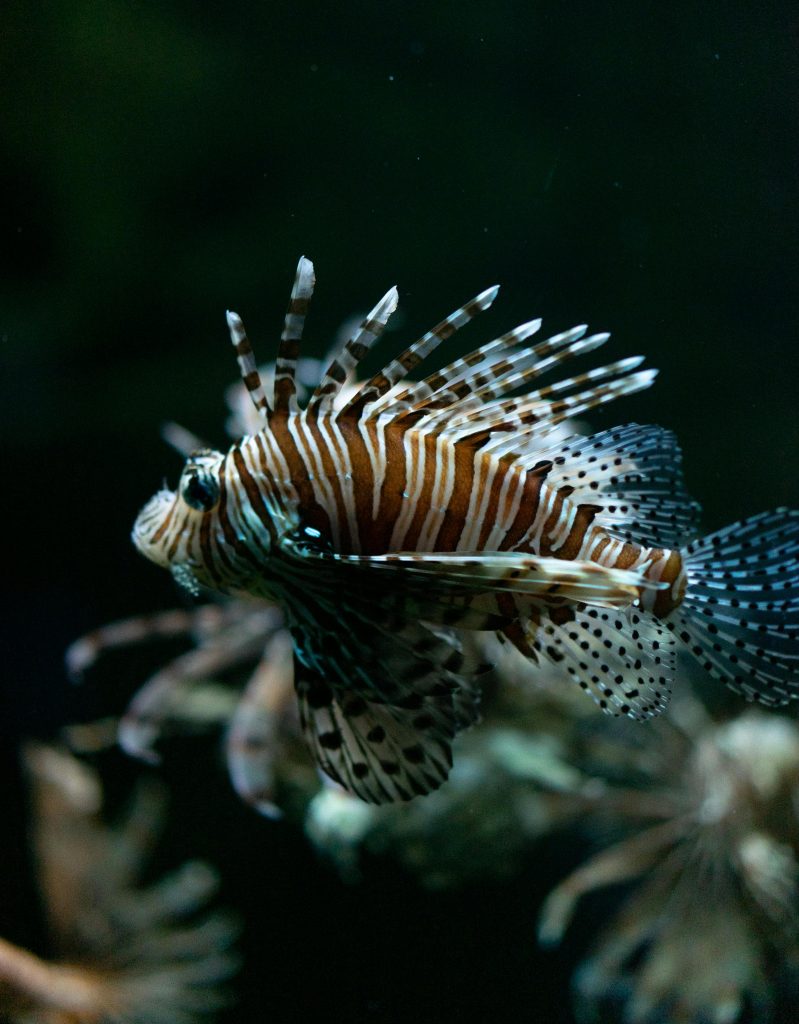
Volitan lionfish are iconic predators with bold fins and calm behavior. They also demand careful planning. Their size, venomous spines, and feeding needs shape every choice you make.
Natural behavior, size, and tank planning
Pterois volitans can reach 15 inches in captivity. Many specimens hit 10–12 inches fast. Plan for the adult size from day one. A 120-gallon tank is a smart minimum for one adult.
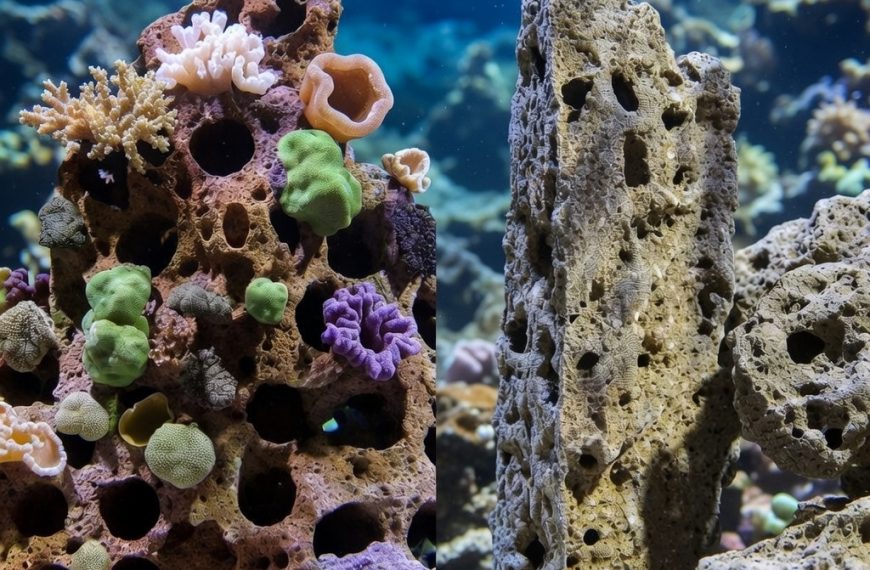
They are ambush hunters that perch and glide. They still need open lanes to turn. Use stable rockwork with wide caves. Leave at least 30–40% of the footprint open for cruising.
Flow should be moderate and varied. Strong jets can pin their fins. Aim for 10–20x turnover per hour. Use multiple outlets to avoid a single harsh stream.
Keep water stable and clean. Target 24–26°C (75–79°F) and salinity 1.024–1.026. Keep pH at 8.1–8.4 and alkalinity 8–10 dKH. Keep nitrate under 20 ppm, and lower is better.
- Use a tight lid or mesh top to reduce jump risk.
- Choose oversized filtration for messy feeding days.
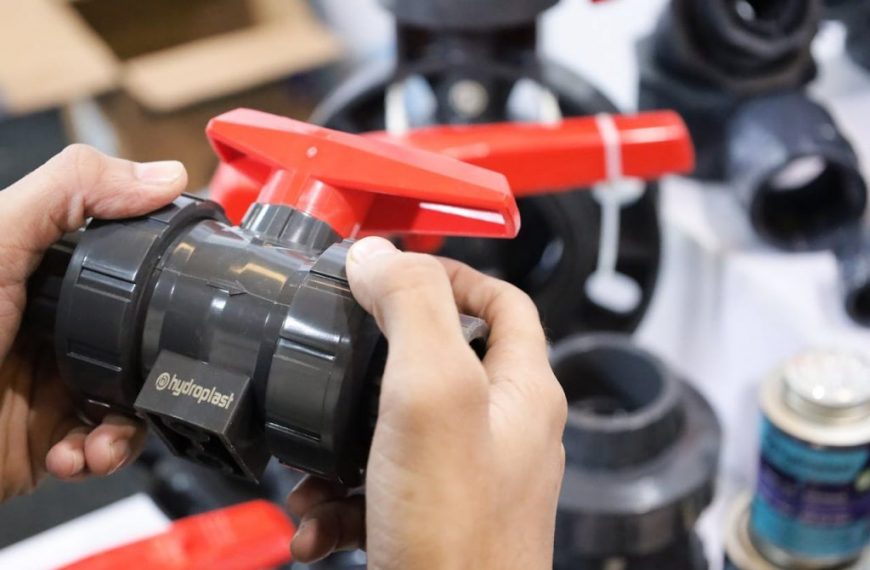
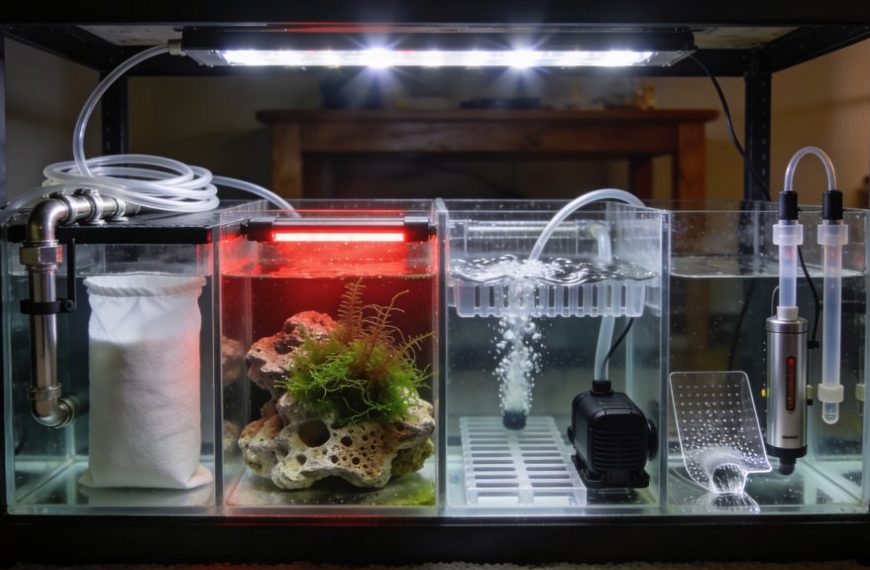
- Quarantine for 2–4 weeks in a bare tank with PVC.
For compatible setups, review our marine fish compatibility chart. For filtration choices, see protein skimmer sizing guide.
Feeding: training, schedule, and nutrition
Volitans often arrive eating live foods. You should wean them to frozen quickly. Use a feeding stick and offer thawed silversides, krill, or shrimp. Present food with gentle movement to trigger strikes.
Feed juveniles every other day. Feed adults 2–3 times per week. A typical adult meal is 2–4 appropriately sized pieces. Each piece should be no longer than the space between the eyes.
Avoid feeder goldfish and rosy reds. They carry thiaminase and poor fats. These foods can cause fatty liver over time. Use marine-based items and rotate options for balance.
Watch for overfeeding signs. A lionfish should look full but not bloated. Long fasting can happen after shipping. Keep offering small portions and maintain stable parameters. Many resume feeding within 7–14 days.
- Thaw food in tank water, then drain the thaw liquid.
- Soak food in vitamins once weekly for variety.
- Remove leftovers within 5 minutes to protect water quality.
If you need help with nutrient control, read nitrate control in marine tanks. It applies to fish-only systems too.
Tankmates, safety, and common problems
Lionfish eat what fits in their mouth. Small fish and shrimp are not safe. Choose tankmates that are too large to swallow. Good options include larger wrasses, groupers, and tangs in big tanks.
They are venomous, not aggressive. Most stings happen during maintenance. Use long tools and move slowly near the fish. Turn off pumps before rearranging rockwork to improve control.
Common issues include fin damage and bacterial infections after shipping. Poor water quality makes this worse. Keep ammonia and nitrite at 0 ppm at all times. Use strong aeration and stable temperature during quarantine.
Another frequent mistake is undersized tanks. A cramped lionfish shows pacing and poor turns. Upgrade before the fish outgrows the space. Also watch for gulping at the surface, which suggests low oxygen.
- Use nitrile gloves and long tongs for feeding and cleanup.
- Keep a first-aid plan and know your local urgent care.
- Do weekly 10–15% water changes for stable nitrate control.
Sources: FishBase species summary (Pterois volitans); Scott W. Michael, “Marine Fishes”; Fenner, “The Conscientious Marine Aquarist.”
Volitan lionfish reward patience and good planning. Give them space, stable water, and a smart feeding routine. With safe handling and proper tankmates, they can thrive for many years.
 By
By