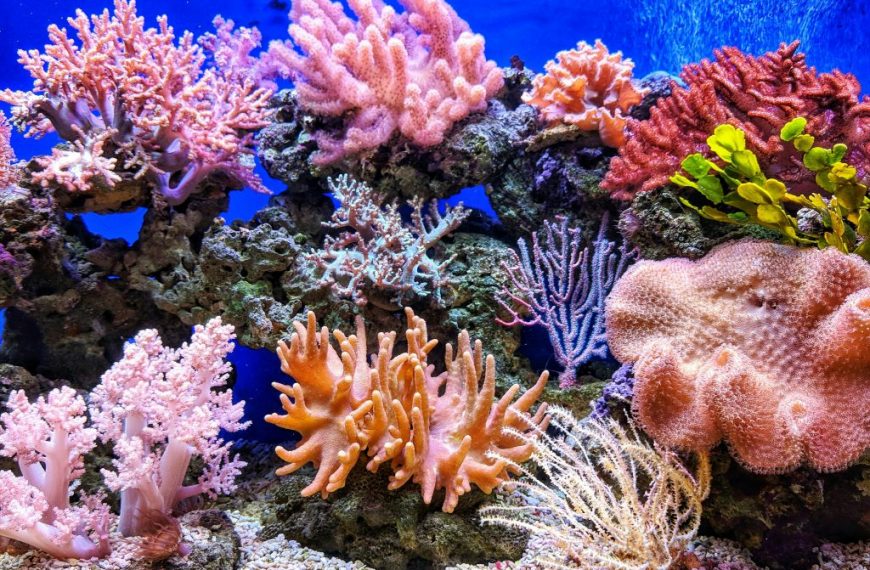
Quarantine protects your display reef from disease and pests. It also helps new fish settle and eat well. A simple setup and a steady plan make it easy.
Why quarantine matters in a reef tank
Most losses happen in the first two weeks after purchase. Shipping stress lowers immunity fast. Parasites like ich and velvet can explode in a reef. Treating a display tank is harder and risky.
Quarantine gives you control over food, lighting, and observation. You can watch breathing rate and flashing. You can confirm the fish eats prepared foods. You can also correct damage from collection and transport.
It also protects your invertebrates and corals. Many reef-safe tanks cannot use copper. Some medications kill shrimp and snails. Quarantine keeps treatment options open.
Plan a minimum of 30 days for most fish. Use 6 to 8 weeks for high-risk species. This includes tangs and angels. Use your reef fish disease signs guide during daily checks.
- Prevents parasites from entering the display tank.
- Lets you treat safely without harming corals.
- Improves survival by reducing stress and competition.
Setting up a simple quarantine tank
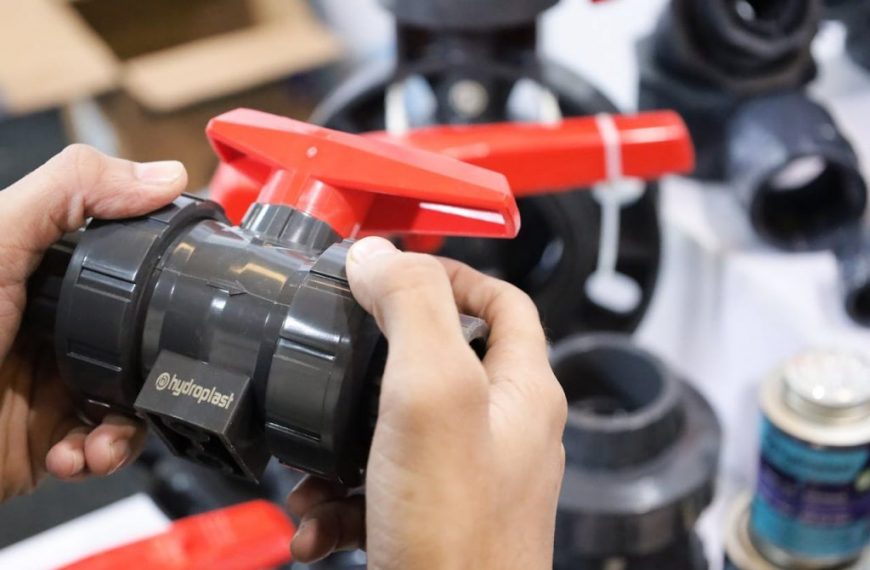
A 20-gallon long works for many small reef fish. Use 40 gallons for tangs and angels. Keep the tank bare bottom for easy cleaning. Add PVC elbows for hiding spots.
Match key parameters to your display tank. Aim for salinity 1.025 to 1.026. Keep temperature 77 to 79°F. Hold pH near 8.1 to 8.3. Keep ammonia and nitrite at 0 ppm.
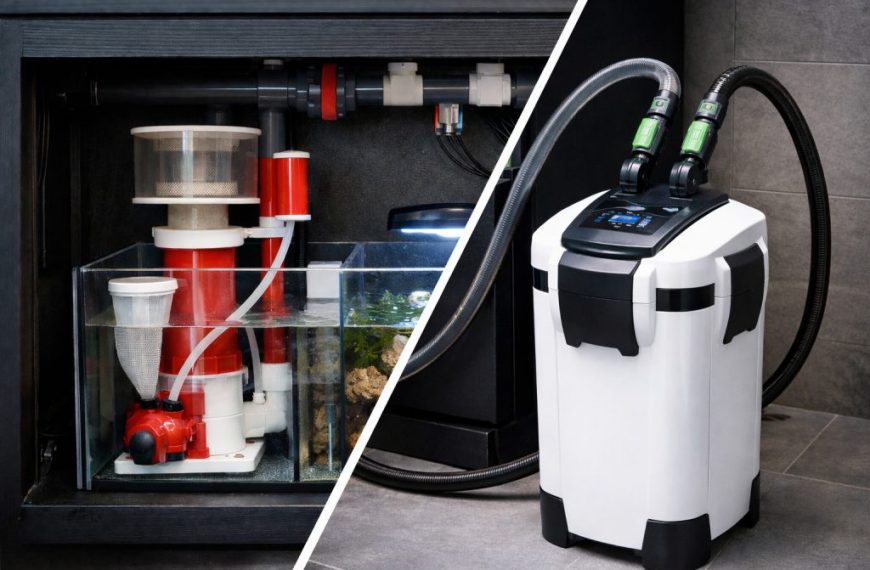
Use a seeded sponge filter for biological filtration. Keep one in your sump at all times. Add an air stone for oxygen. Use a tight lid since stressed fish jump.
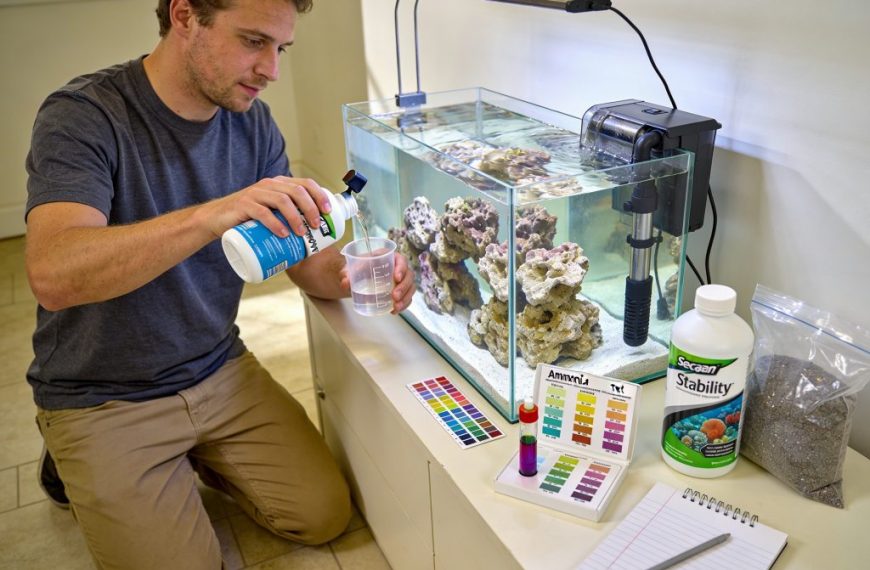
Test ammonia daily for the first week. Use a binder if needed. Do water changes of 20% when ammonia hits 0.25 ppm. Keep extra saltwater mixed and heated.
- Heater and thermometer with a stable setpoint.
- Seeded sponge filter plus an air pump.
- PVC pieces, lid, and a dimmable light.
- Ammonia test kit and a dedicated siphon hose.
Quarantine routine, treatments, and common mistakes
Start with a slow acclimation and low light. Offer food within a few hours. Feed small amounts two to three times daily. Remove leftovers after five minutes to limit ammonia spikes.
Observation-only quarantine works for hardy fish. It relies on daily checks and fast response. Look for spots, frayed fins, and heavy breathing. Watch for hiding and loss of appetite.
Many hobbyists use proactive treatment for parasites. Copper is common for ich and velvet. Follow the product range and use a matching test kit. Maintain the target level for 14 to 30 days, depending on the method.
Flukes are also frequent on new fish. Praziquantel is often used in quarantine. Dose per label and repeat once after 5 to 7 days. Keep strong aeration during treatment.
The biggest mistake is unstable water quality. A small tank can crash fast. Another mistake is mixing new arrivals together. Quarantine fish from different sources separately when possible. Use your quarantine tank setup checklist before buying fish.
- Keep a log of feeding, behavior, and test results each day.
- Quarantine for at least 30 days after the last symptom.
- Use separate nets and buckets from the display system.
If a fish stops eating, reduce light and add more shelter. Try frozen mysis, brine, and pellets in rotation. Soak food in vitamins for seven days. If breathing is fast, increase surface agitation and check ammonia.
When the fish is stable, match salinity and temperature before transfer. Use a clean container and avoid cross-contamination. Never pour quarantine water into the display. Review reef fish acclimation steps to finish strong.
Quarantine takes space and patience, but it saves livestock. A basic tank and steady testing prevent most disasters. Build the habit and your reef stays healthier long term.
Sources: Colorni & Burgess, “Cryptocaryon irritans and marine ich” (Aquarium Sciences literature); Noga, “Fish Disease: Diagnosis and Treatment”; HumbleFish community quarantine protocols (general methods and timelines).
 By
By