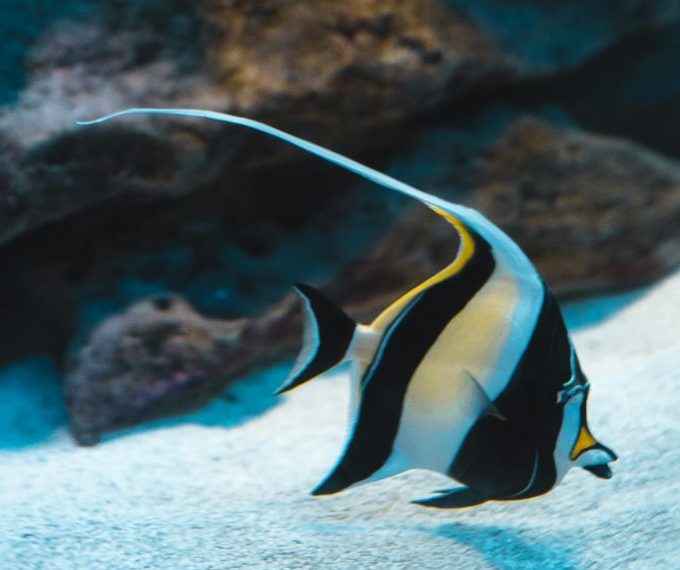
Reef fish acclimation protects new arrivals from shock and disease. It also improves feeding and long-term survival. A calm, repeatable process beats rushing every time.
Prep before the bag opens
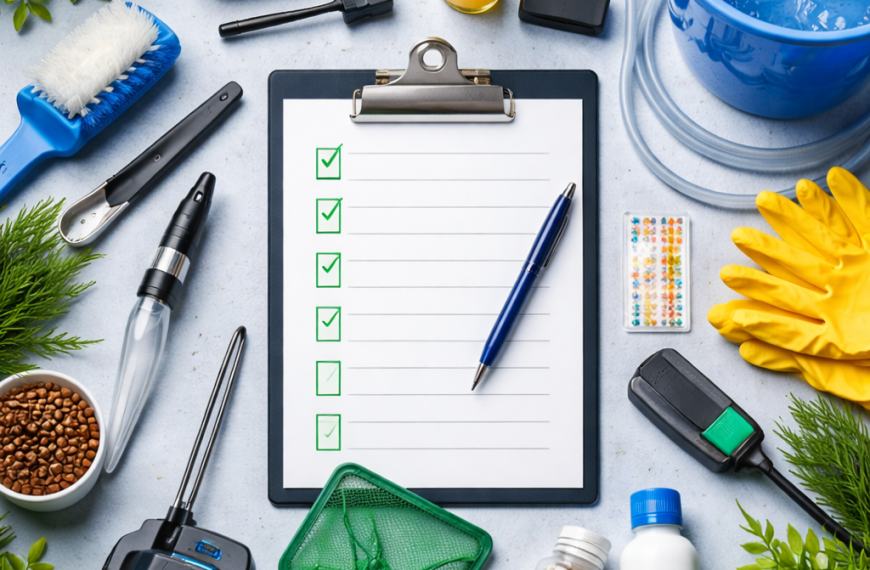
Start with a clean, quiet workspace. Dim the room lights for 30 minutes. This reduces panic and oxygen demand. Keep a towel and a timer nearby.
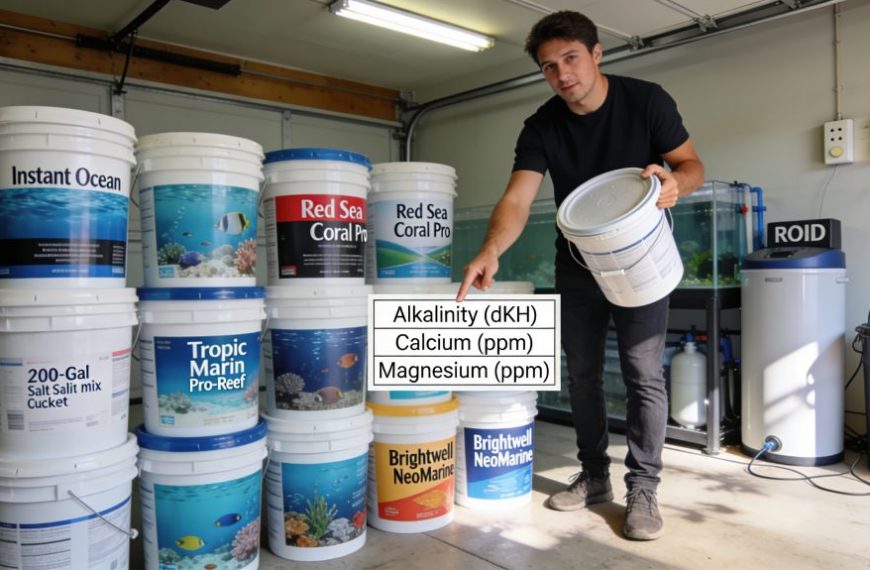
Match your display to stable reef ranges. Aim for 25–260C (77–790F) and salinity 1.02510.001. Keep pH near 8.1–8.4 and alkalinity 8–9 dKH. Ammonia and nitrite must read 0 ppm.
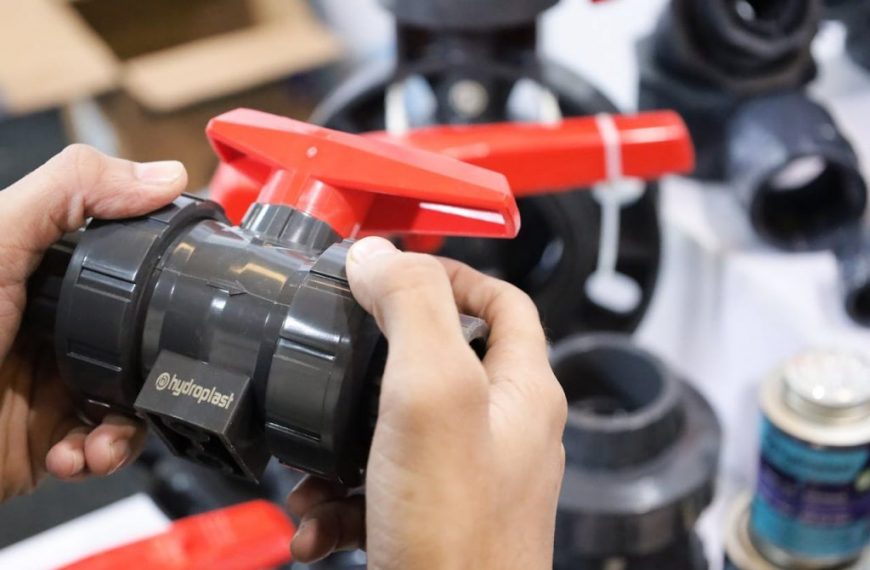
Use a quarantine tank when possible. A 10–20 gallon tank works for most small fish. Add a heater, sponge filter, and PVC elbows. Read our quarantine tank setup guide for a simple layout.
Test the bag water fast. Measure temperature and salinity. Many shipped fish arrive at 1.018–1.022. Plan a slow salinity climb if needed. Prepare an airstone for the bucket, but avoid strong turbulence.
- Mix 2–5 gallons of fresh saltwater at 1.025 and 25–260C.
- Have a clean bucket, airline tube, and a valve or knot.
- Keep nets and containers fish-only to avoid soap residue.
Step-by-step drip acclimation that avoids ammonia spikes
Float the sealed bag for 10–15 minutes. This equalizes temperature. Do not extend this step. Bag water can build ammonia quickly once opened.
Open the bag and pour fish and water into a bucket. Keep the fish submerged at all times. Clip the airline from your tank to the bucket. Start a siphon and drip 2–4 drops per second.
Acclimate for 30–45 minutes for most reef fish. If salinity differs by 0.004 or more, extend to 60 minutes. Remove half the bucket water every 15 minutes. This keeps volume manageable and reduces waste buildup.
Never pour shipping water into your tank. Net the fish or use a specimen cup. Transfer it into quarantine or display. Then discard the bucket water. Review salinity stability tips if you see big swings.
- Target drip rate: 2–4 drops per second, then adjust by salinity readings.
- Stop if the fish rolls or breathes hard. Add an airstone and slow the drip.
- Use a refractometer, not a swing-arm hydrometer, for accuracy.
First 72 hours: stress control, feeding, and troubleshooting
Lights should stay low on day one. Keep the photoperiod at 4–6 hours. Avoid major aquascape changes. Let the fish find cover and settle.
Feed lightly after 6–12 hours if the fish is calm. Offer small portions twice daily. Use foods that match the species. For example, give a fairy wrasse frozen mysis and roe. Give a tang nori plus spirulina pellets.
Watch respiration and posture. Rapid gilling can signal low oxygen, ammonia, or parasites. Flashing can point to flukes or irritation. If in quarantine, test ammonia daily and keep it under 0.25 ppm. Use water changes of 25–50% as needed.
Common mistakes are fast salinity jumps and aggressive tankmates. A clownfish may harass a new goby. Use an acclimation box for 24–48 hours. See our reef fish aggression guide for pairing tips.
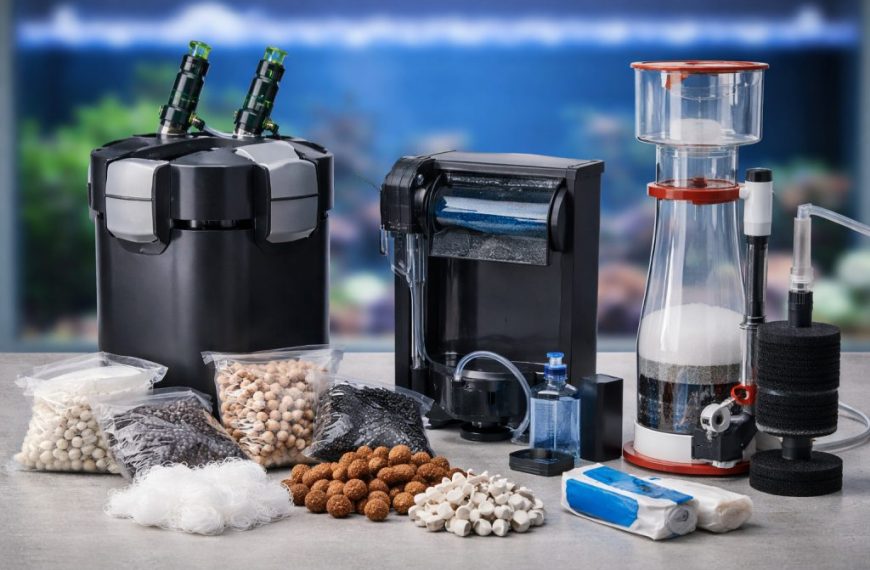
- Keep dissolved oxygen high with surface agitation and clean filter pads.
- Test temperature and salinity morning and night for three days.
- Delay new coral additions until the fish eats well and acts normal.
Reef fish acclimation is simple when you control temperature, salinity, and stress. Use quarantine when you can and move slowly with drip timing. Your reward is better feeding, fewer losses, and a calmer reef.
Sources: Humblefish Disease Forum (acclimation and quarantine best practices); Reef2Reef community guides; Fenner, R. “The Conscientious Marine Aquarist” (handling and stress reduction).
 By
By