Reef fish get sick fast when stress and parasites pile up. The good news is most outbreaks follow a pattern. Learn the basics, act early, and you can save fish and protect your reef.
Spotting disease early and reading the signs
Start with behavior, not spots. Healthy fish eat within 30 seconds. They swim with steady fins. They also breathe slowly and evenly. Fast gilling can mean low oxygen or gill parasites.
Look for patterns across the tank. One fish scratching may be normal. Several fish flashing in one day is a warning. Hiding, clamped fins, and faded color often signal stress. Stress can come from bullying or unstable salinity.
Common visual clues help narrow causes. White dots like salt can suggest ich. A dusty gold sheen can suggest velvet. Thick mucus and peeling skin can suggest brook. Red streaks and frayed fins can point to bacteria.
Check water first to avoid false alarms. Keep salinity at 1.025–1.026 specific gravity. Keep temperature at 77–79°F. Aim for pH 8.1–8.4 and alkalinity 8–9 dKH. Keep ammonia and nitrite at 0 ppm, always.
- Watch feeding response daily and note any sudden refusal.
- Count breaths for 15 seconds and multiply by four.
- Photograph spots under the same light for comparison.
For a step-by-step observation routine, see our reef fish quarantine setup. You can also compare symptoms in our common reef fish symptoms guide.
First response: isolate, stabilize, and choose a plan
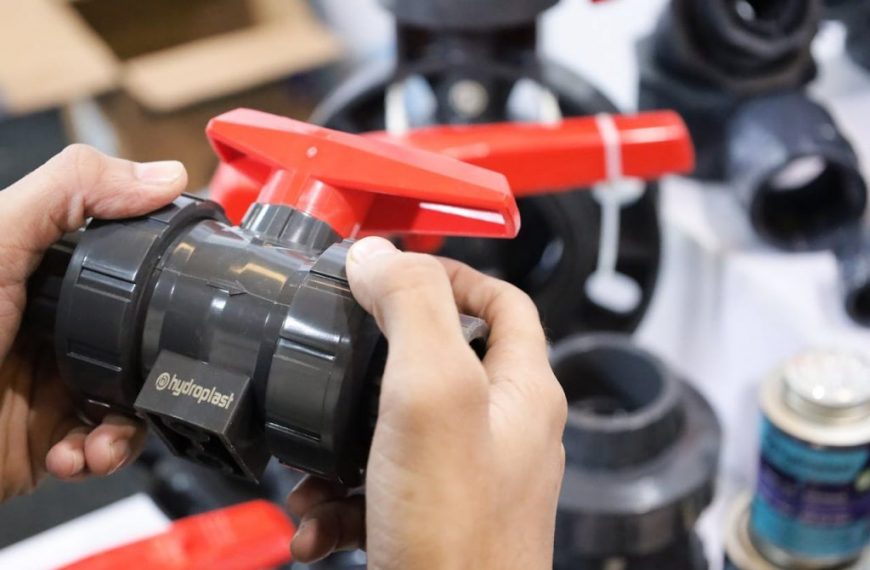
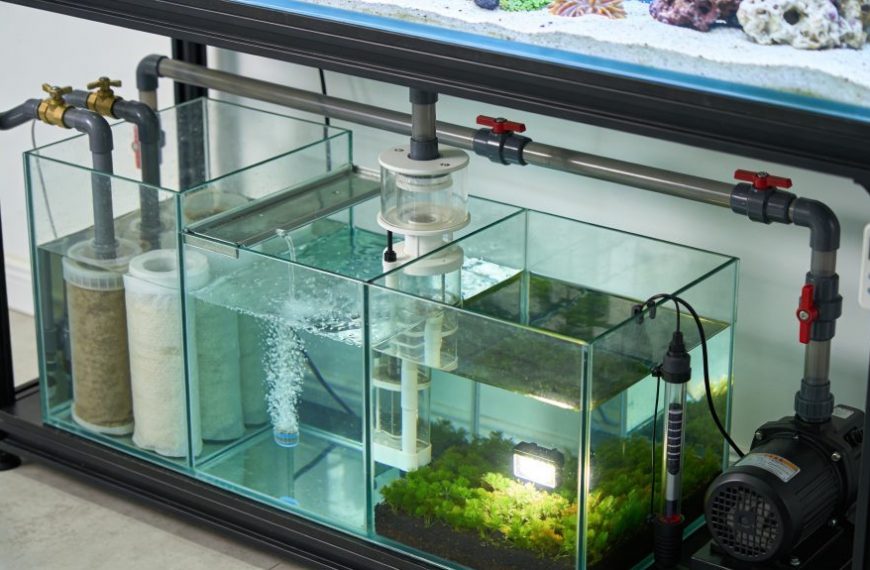
Move sick fish to a hospital tank when possible. A simple 10–20 gallon tank works for small fish. Use a heater, air stone, and sponge filter. Add PVC elbows for shelter. Keep the bottom bare for easy cleaning.
Stabilize water before you medicate. Match salinity within 0.001 specific gravity. Match temperature within 1°F. Run strong aeration, especially with medications. Many treatments lower oxygen and raise stress.
Choose treatment based on the most likely cause. Copper is common for ich and velvet in fish-only systems. Follow the product range, often 1.5–2.0 ppm for chelated copper. Test copper daily with a reliable kit. Keep copper stable for 14–30 days, depending on protocol.
Do not use copper in a reef display. It can harm invertebrates and rock. For flukes, praziquantel is often used in quarantine. For bacterial wounds, focus on clean water and targeted antibiotics in quarantine. Avoid mixing meds unless you know compatibility.
- Stop feeding heavy for 24 hours if ammonia is rising.
- Use an ammonia badge and keep Prime for emergencies.
- Increase surface agitation before any medication dose.
If you need a display-safe plan, read managing ich in a reef tank. It covers fallow periods and risk control.
Prevention that actually works in real reef tanks
Prevention starts with quarantine and slow stocking. Quarantine new fish for 30 days. Observe for spots, flashing, and appetite changes. Treat proactively only when needed. Many losses come from rushed additions.
Reduce stress with stable routines. Keep nitrate under 20 ppm for most fish. Keep phosphate near 0.03–0.10 ppm for balanced reefs. Avoid big salinity swings during top-off. Use an ATO if you can.
Feed for immunity and weight. Offer two small meals daily. Use a mix of frozen mysis, quality pellets, and algae sheets. Soak food in vitamins two or three times weekly. Thin fish crash faster during parasites.
Common mistakes cause repeat outbreaks. Skipping quarantine is the big one. Another is treating the display and leaving parasites behind. Also avoid buying fish that breathe hard in the store. That is a red flag for gill disease.
- Quarantine every fish for 30 days before the display.
- Keep temperature swings under 1°F per day.
- Clean nets and tools between tanks to prevent cross-contamination.
Track results like a logbook. Write dates, symptoms, and test numbers. Note medication doses and copper readings. This helps you spot patterns. It also prevents accidental overdoses.
Conclusion
Reef fish disease basics come down to early detection, clean water, and smart isolation. Use numbers, not guesses, and keep stress low. With quarantine and steady parameters, most tanks avoid major outbreaks.
Sources: Noga, E.J. “Fish Disease: Diagnosis and Treatment”; Colorni & Burgess, marine ich research summaries; Humblefish community quarantine protocols (clinical practice summaries)
 By
By