Reef fish rarely get sick without warning. Most problems show up as small changes in skin, fins, breathing, or behavior. Catching symptoms early often saves the fish and protects the whole tank.
Skin, spots, and mucus changes
White spots like salt grains often point to ich. Spots are usually 0.5–1.0 mm wide. Fish may scratch on rocks and pumps. Many fish still eat at first. Symptoms often worsen at night.
Fine “dust” that looks tan or gold can suggest velvet. Breathing often speeds up fast. Fish may clamp fins and hide. This disease can kill within 24–72 hours. Treat it as an emergency.
Thick slime, cloudy patches, or peeling skin can signal brooklynella or bacterial issues. Clownfish are common victims. Look for rapid mucus buildup on the head and gills. Appetite often drops within a day.
Red sores, frayed fins, or “cotton” growths can follow injury and stress. Poor water quality makes this worse. Check ammonia at 0 ppm and nitrite at 0 ppm. Keep nitrate under 20 ppm for most reefs.
- Use a flashlight at night to spot early dots and dusting.
- Photograph the fish daily to track changes in size and spread.
- Test salinity with a calibrated refractometer, aiming for 1.025–1.026.
For step-by-step isolation, review our quarantine tank setup. For common parasites, see marine ich vs velvet.
Breathing, gills, and swimming behavior
Fast breathing is one of the earliest danger signs. Count gill beats for 15 seconds. Multiply by four for breaths per minute. Many reef fish rest around 60–90 per minute. Over 120 at rest needs quick action.
Gasping at the surface can mean low oxygen or gill disease. Check temperature first. Many tanks run best at 77–79°F. Warm water holds less oxygen. Add surface agitation and aim powerheads toward the surface.
One-sided breathing, flared gills, or constant yawning can indicate flukes. Fish may flash and shake their heads. A freshwater dip can reveal flukes as sesame-like specks. Use matched temperature and pH when possible.
Odd swimming also gives clues. Darting can follow bullying or velvet irritation. Headstanding can suggest swim bladder trouble. Drifting into flow can mean exhaustion or low oxygen. Always check aggression and hiding spots.
- Increase aeration during any treatment or heat wave.
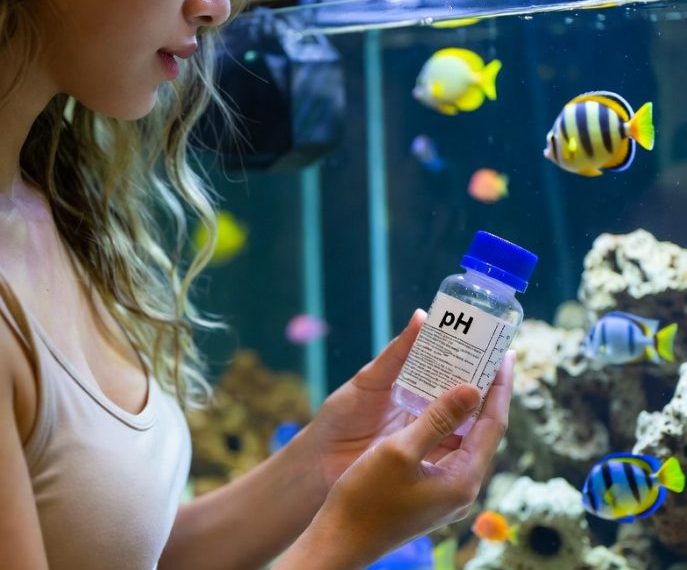
- Verify alkalinity at 8–9 dKH and pH at 8.1–8.4 for stability.
- Watch at feeding time to see who cannot compete.
If you suspect oxygen issues, compare your setup to our reef tank flow guide. Flow and gas exchange often fix “mystery” breathing problems.
Eating, waste, and body condition
Loss of appetite is common but not specific. A fish that refuses food for 24–48 hours needs observation. Check for bullying and recent changes. New lights, new rock, and new tankmates can trigger stress and fasting.
Stringy white poop can suggest internal parasites or starvation. It can also happen after a diet change. Look for weight loss along the back and pinched bellies. Feed small portions twice daily and track body shape weekly.
Bloated bellies can come from constipation, egg binding, or bacterial swelling. Offer varied foods and add fiber. Nori and spirulina help many tangs and angels. Soak foods in vitamins two to three times weekly.
Common mistakes slow recovery. Many hobbyists treat the display tank too soon. Corals and inverts limit medication choices. Instead, move fish to a hospital tank when possible. Keep copper at the target range with a test kit.
- Keep a log of feeding, poop, and weight changes for each fish.
- Quarantine new fish for 30 days before the display tank.
- Do not mix medications unless the protocol is proven.
Sources: Colorni & Burgess, “Cryptocaryon irritans”; Noga, “Fish Disease: Diagnosis and Treatment”; Hemdal, “Marine Fish Health & Feeding.”
Most reef fish symptoms fall into three buckets. They involve skin changes, breathing changes, or eating changes. Act early, test your water, and isolate when needed. Small moves made today prevent tank-wide losses tomorrow.
 By
By