Marine fish hide stress until it becomes serious. Early signs are easy to miss in a busy reef. Learn what to watch for and what to fix first.
What stress looks like in marine fish
Start with breathing and posture. Rapid gill movement often means low oxygen. It can also signal ammonia, parasites, or high temperature. Normal breathing varies by species and activity.
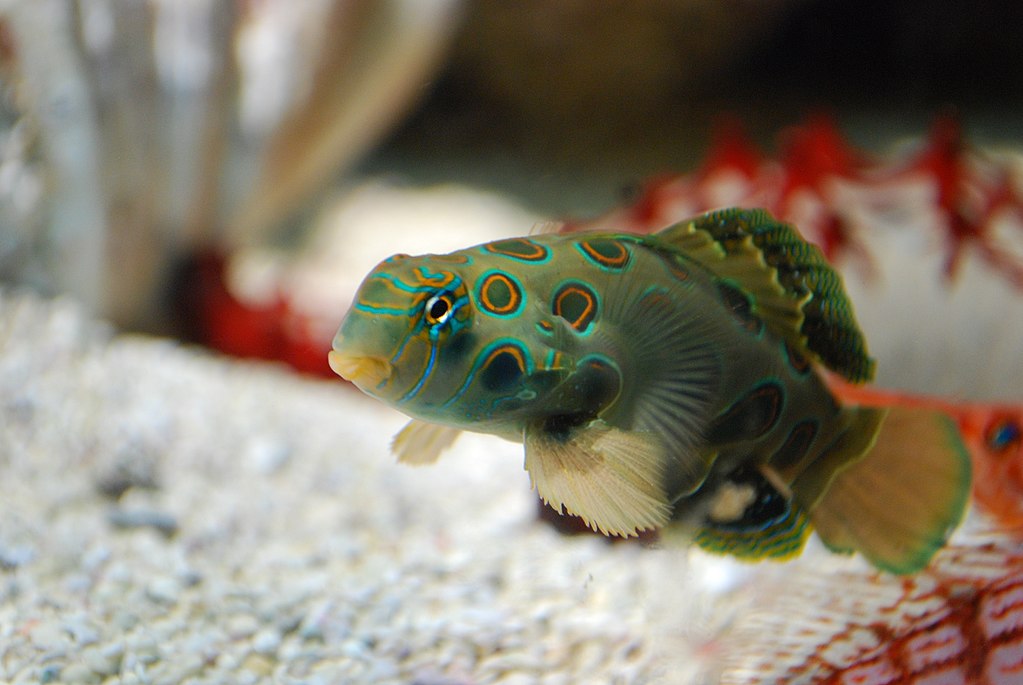
Watch color and skin changes. Pale colors can mean fear or poor water quality. Darkening can mean aggression or irritation. Look for excess slime, frayed fins, and clamped fins. These are common stress flags.
Behavior shifts are strong clues. A stressed fish may hide all day. It may hover near the surface or a powerhead. Some pace the glass or flash on rocks. Others stop eating for more than 24 hours.
Use a quick daily check routine. Spend two minutes before feeding. Look for odd swimming and uneven fin use. Compare both sides of the body. Small changes are easier to catch early.
- Breathing: more than 80–100 gill beats per minute is a red flag
- Feeding: refusal of two meals in a row needs attention
- Swimming: corkscrewing, sinking, or head-up hovering suggests distress
If you need a baseline, review your reef fish quarantine basics. Quarantine helps you spot changes without tank distractions.
Most common causes and the fastest checks
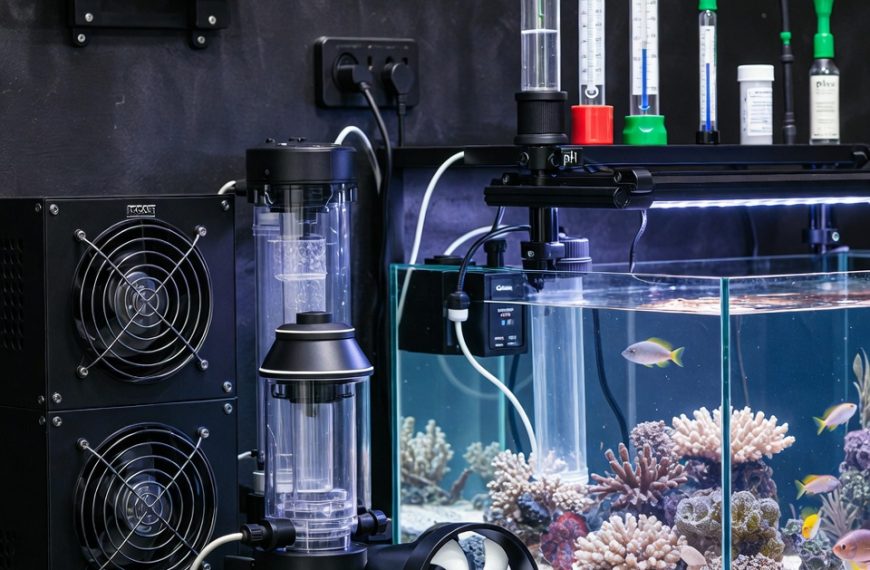
Water quality causes stress more than any single fish issue. Test ammonia and nitrite first. They should read 0 ppm at all times. Keep nitrate under 20 ppm for fish-only. Aim under 10 ppm for reefs.
Check temperature and salinity next. Keep temperature stable at 24–26°C (75–79°F). Avoid swings over 1°C per day. Keep salinity at 1.025–1.026 specific gravity. Measure with a calibrated refractometer.
Low oxygen is a hidden stressor. It often happens at night. This is common in tanks with heavy feeding. Add surface agitation and clean pumps. Target strong ripple across the surface. Consider an air stone in emergencies.
Aggression also drives chronic stress. Look for torn fins and cornering. Rearrange rockwork to break territories. Add more hiding spots with caves and overhangs. In mixed communities, stock by temperament and size.
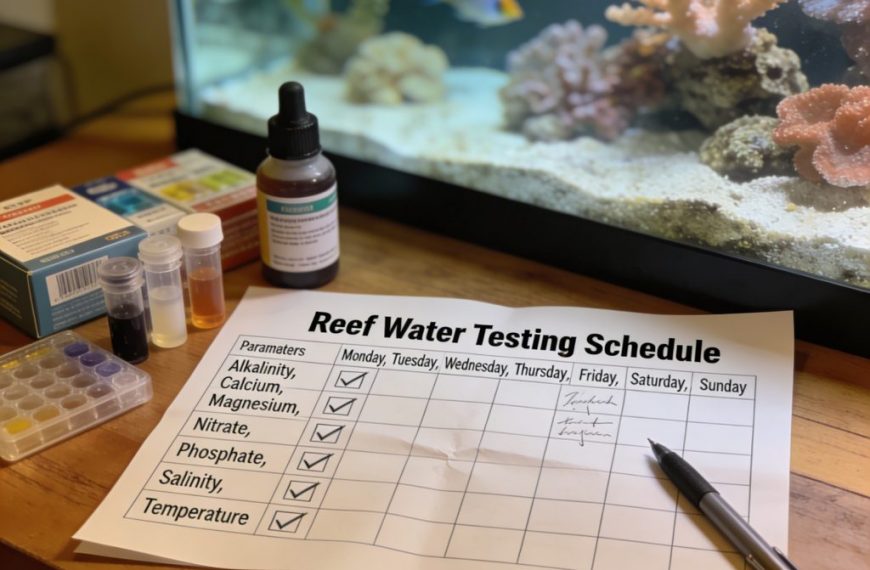
- Immediate tests: ammonia 0, nitrite 0, pH 8.0–8.4, alkalinity 7–11 dKH
- Fast fixes: 25% water change, fresh carbon, increase surface agitation
- Observation: watch after lights out for nighttime gasping
For stable parameters, tighten your routine with our saltwater water change schedule. Consistency reduces stress more than chasing numbers.
Action plan: reduce stress and troubleshoot fast
Start by removing the fish from pressure when needed. Use a breeder box for mild bullying. Use a hospital tank for heavy breathing and lesions. A simple 10–20 gallon tank works for many fish. Add a heater, sponge filter, and PVC elbows.
Match new water carefully during changes. Keep salinity within 0.001 specific gravity. Match temperature within 0.5°C (1°F). Sudden shifts can worsen stress. Mix saltwater for 12–24 hours with a pump.
Feed for recovery, but avoid overfeeding. Offer small meals twice daily. Use a mix of frozen mysis and quality pellets. Add nori for tangs and rabbitfish. Soak food in vitamins twice weekly. Remove uneaten food after five minutes.
Be careful with common mistakes. Do not add multiple fish at once. Do not skip quarantine for “hardy” species. Do not treat the display tank without a plan. Copper can harm invertebrates and bacteria. Confirm symptoms before medicating.
- When to isolate: heavy breathing, flashing, white spots, or rapid fin damage
- When to wait and watch: mild hiding after new additions, under 24 hours
- When to test again: after any equipment change or missed top-off
If you suspect parasites, compare signs with our marine ich vs velvet guide. Correct ID saves time and fish.
Sources: Humblefish Disease Forum (clinical sign references); Noga, “Fish Disease: Diagnosis and Treatment”; Fenner, “The Conscientious Marine Aquarist”.
Marine fish stress signs are easiest to manage when you act early. Watch breathing, color, and feeding every day. Then confirm water quality and reduce aggression. Stable parameters and quarantine prevent most repeat problems.
 By
By