Blueface Angelfish Basics
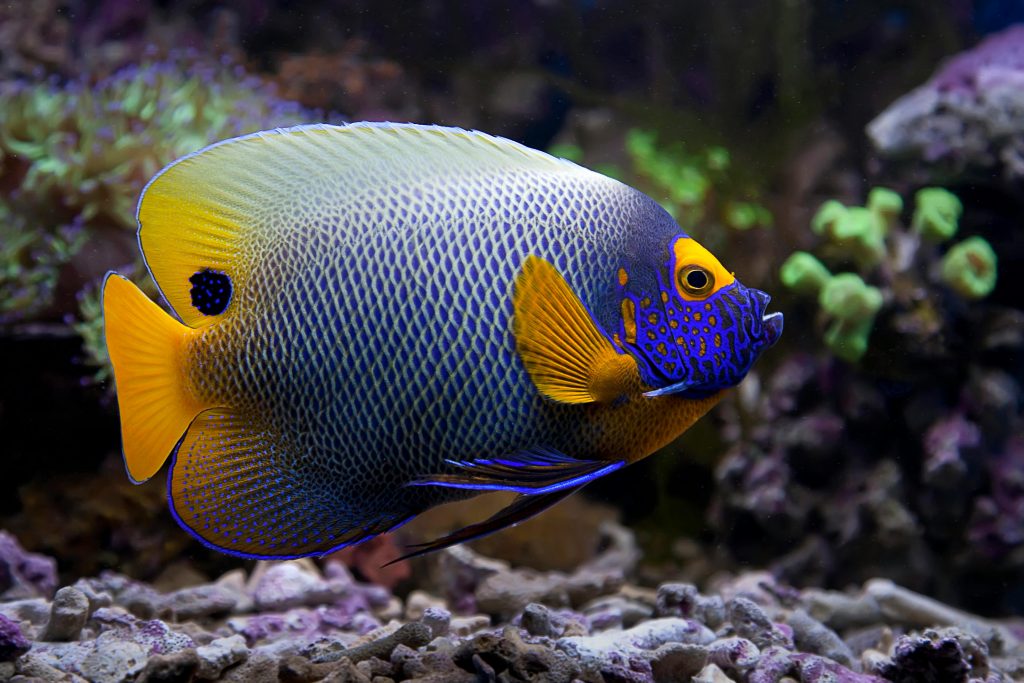
The Blueface Angelfish, Pomacanthus xanthometopon, is a striking showpiece fish. Its blue mask and yellow face stand out in any display tank. This beauty also demands serious planning and commitment.
Blueface angelfish grow large. Adults can reach 14 inches in length. They need plenty of swimming room and rockwork for security.
Plan for a big tank from the start. A 180-gallon aquarium is a realistic minimum. Larger systems offer more stability and swimming space.
For more on planning big tanks, see our saltwater tank size guide. It helps match fish to proper volumes.
Tank Setup and Water Conditions
Stable water quality is critical for Blueface angelfish. They dislike sudden parameter swings.
- Temperature: 76–80°F (24–27°C)
- Salinity: 1.023–1.025 specific gravity
- pH: 8.1–8.4
- Ammonia and nitrite: always 0 ppm
- Nitrate: under 20 ppm, lower is better
Use a strong protein skimmer. This fish produces heavy waste. Good mechanical and biological filtration are essential.
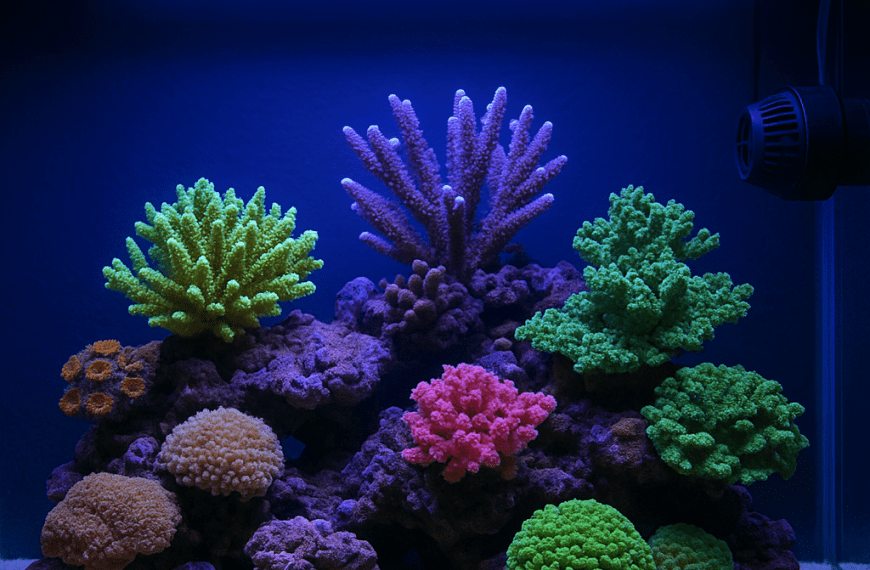
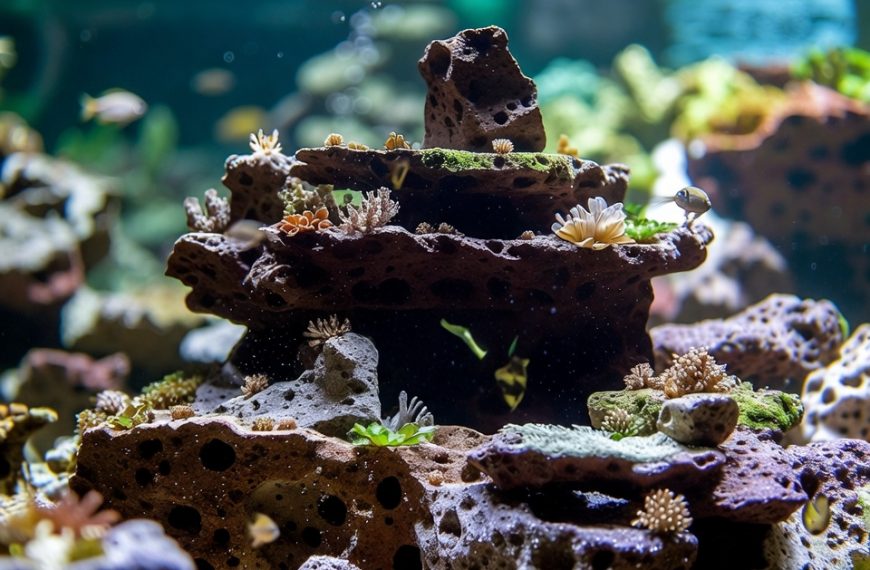
Provide plenty of live rock. Blueface angelfish graze and hide among crevices. Rockwork should form caves, arches, and shaded areas.
Ensure strong but varied flow. Aim for moderate turbulence, not a blasting jet. Fish should swim comfortably against the current.
Tip: Build rock structures before adding water. Test stability by gently pushing on the rocks.
Diet and Feeding Strategy
Blueface angelfish are omnivores with complex diets. They graze all day in nature. Recreate that variety in your tank.
- Offer high-quality marine angelfish pellets and flakes.
- Rotate frozen foods like mysis shrimp and brine shrimp.
- Include marine algae sheets and spirulina-based foods.
- Provide sponge-based angel formulas several times per week.
Feed small portions two to three times daily. Avoid overfeeding and excess waste. Remove uneaten food after a few minutes.
For more feeding tips, check our feeding saltwater fish guide. It covers schedules and portion control.
Reef Compatibility and Tankmates
Blueface angelfish are usually not fully reef safe. They often nip at corals and clams. LPS, soft corals, and fleshy polyps are especially at risk.
Some hobbyists keep them in carefully chosen mixed reefs. Success varies by individual fish. Be ready to move corals or the fish if nipping becomes serious.
Choose tankmates with care. Blueface angelfish can be territorial, especially as adults.
- Avoid other large angelfish in smaller systems.
- Skip tiny, timid fish that may be bullied.
- Good options include tangs, larger wrasses, and peaceful triggers.
- Add the Blueface after more peaceful fish are established.
Tip: Rearrange rockwork before adding a new large fish. This helps reset territories.
Acclimation, Health, and Long-Term Care
Blueface angelfish are sensitive during shipping and acclimation. Use a slow drip acclimation process. Take at least 45–60 minutes.
Quarantine new arrivals in a separate tank. Watch for parasites and bacterial infections. Treat issues before moving the fish to your display.
Common stress signs include rapid breathing, hiding constantly, and refusing food. Check water quality first. Then review tankmates and aggression.
Provide a consistent lighting schedule. Around 8–10 hours of main light works well. Include dimmer periods for dawn and dusk if possible.
With proper care, Blueface angelfish can live many years in captivity. They reward you with bold color and personality. Plan ahead, stay patient, and they can become the centerpiece of your marine system.
For more help planning your livestock list, see our saltwater aquarium stocking guide. It walks through building a balanced community.
Sources
- Michael, S.W. “Marine Fishes: 500+ Essential-To-Know Aquarium Species.” Microcosm, 2001.
- Fenner, R. “The Conscientious Marine Aquarist.” TFH Publications, 2008.
- FishBase species summary for Pomacanthus xanthometopon.
 By
By

![[food] Seaweed Snacks](https://fancyreef.com/wp-content/uploads/49758399738-7b109775d3-b.jpg)