Stocking a reef tank is not just about what you buy. It is about when you add each animal. A smart order reduces stress, disease, and sudden nutrient swings.
Start with stability and a clean-up crew
Before any fish, lock in stable parameters for two full weeks. Aim for salinity 1.025, temperature 77–78°F, and pH 8.1–8.3. Keep ammonia and nitrite at 0 ppm. Keep nitrate under 10–20 ppm during early stocking.
Add your first inverts after the cycle finishes and algae appears. Start small and scale up. A common baseline is 1 snail per 3–5 gallons. Mix trochus, nassarius, and cerith for different jobs.
Wait on hermit crabs if you love snails. Crabs often steal shells and kill snails. If you add hermits, add spare shells too. Add 1–2 extra shells per hermit.
Feed the tank lightly even without fish. Add a pinch of food twice weekly. This supports bacteria and keeps scavengers alive. Track phosphate and nitrate so they do not crash to zero.
- Test weekly: alkalinity 8–9 dKH, calcium 400–450 ppm, magnesium 1250–1400 ppm.
- Run a 25–50 micron sock only if you clean it every 2–3 days.
- Use a lid early. Jumpers appear in the first month.
For cycling and early algae control, see reef tank cycling basics. It helps you time the first additions. It also explains why patience prevents losses.
Add fish from least to most aggressive
Quarantine each fish for 14–30 days when possible. Use a separate tank with a heater and sponge filter. Observe eating, breathing, and spots. This step prevents ich and velvet disasters.
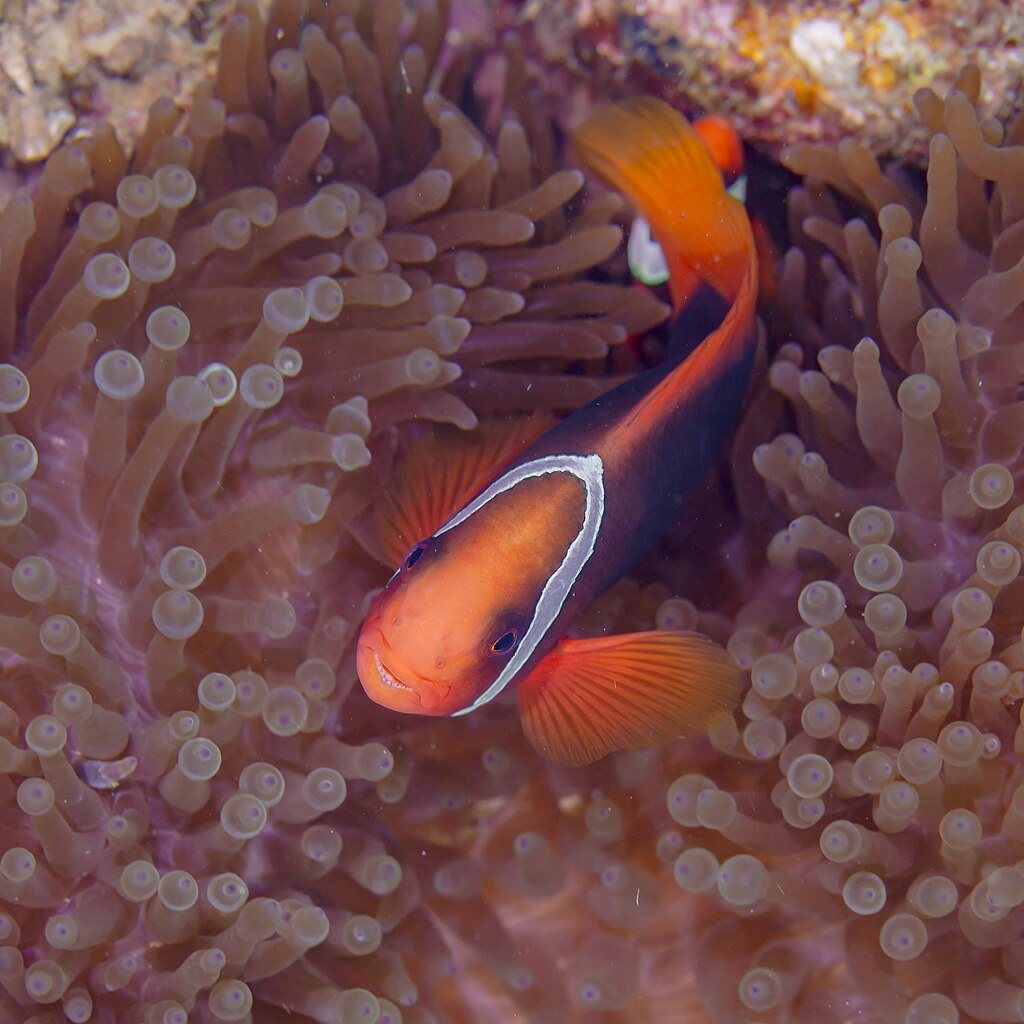
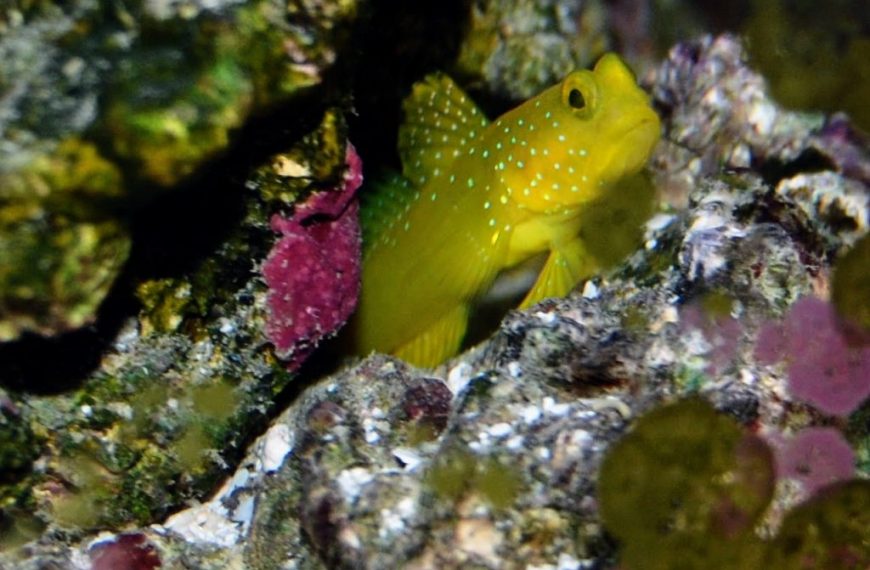
Add the calmest fish first. Good early choices include clownfish, firefish, or a small goby. Add one fish, then wait 10–14 days. This gives your biofilter time to adjust.
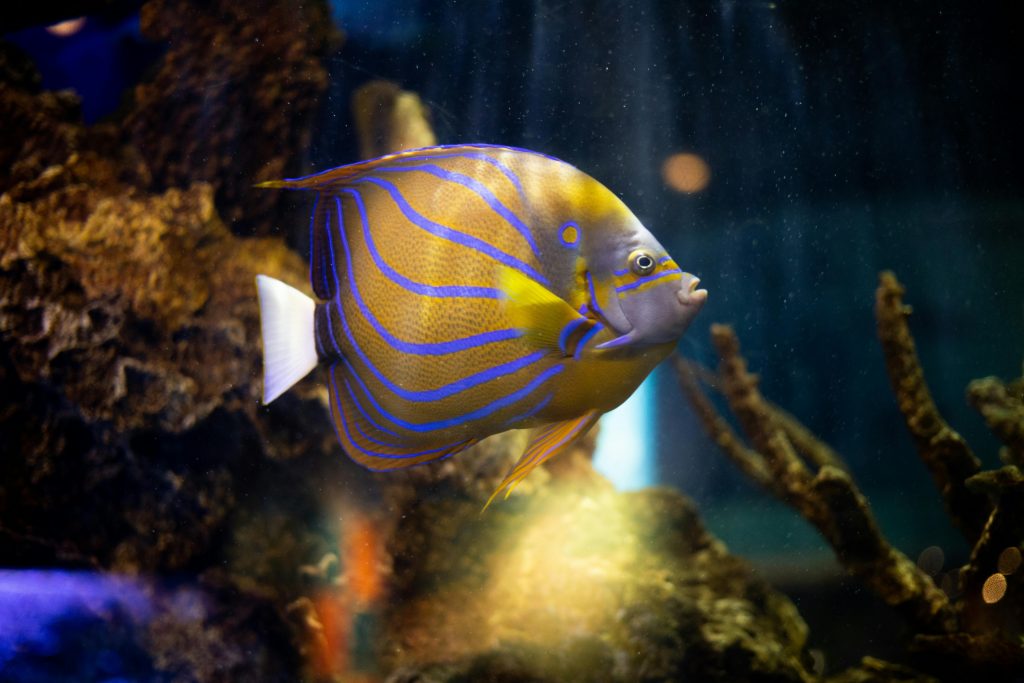
Add semi-aggressive fish next. Examples include wrasses, dwarf angels, and some dottybacks. Add them after peaceful fish establish territory. This reduces bullying and hiding.
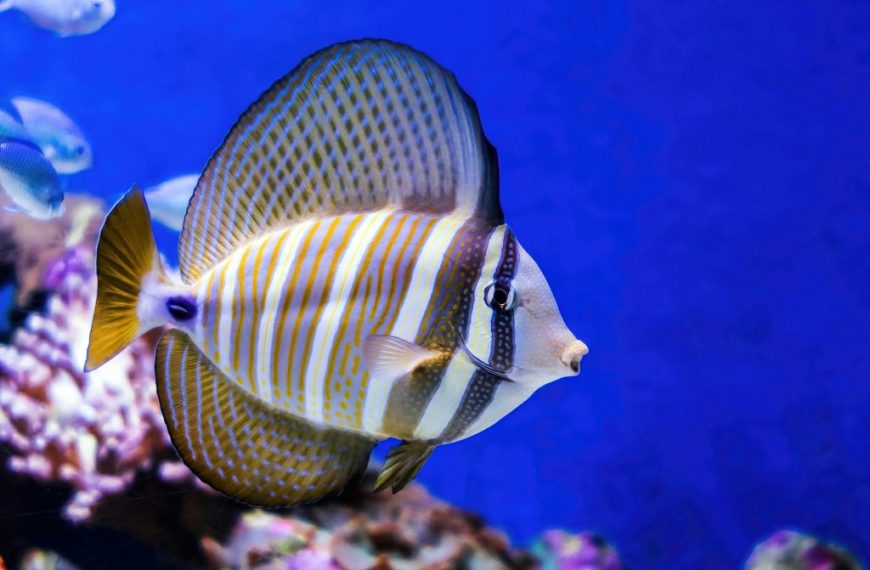
Add the most aggressive or territorial fish last. This includes many damsels, hawkfish, and larger dottybacks. It also includes tangs in smaller systems. A tang should go into 75 gallons or more, depending on species.
- Wait 10–14 days between fish additions in tanks under 75 gallons.
- Feed small amounts 2–3 times daily during the first week.
- Watch for flashing, clamped fins, and rapid breathing after each addition.
If you need a quarantine plan, read saltwater fish quarantine setup. It covers tank size, meds, and observation routines. It also lists common mistakes.
Introduce corals after nutrients and light are predictable
Corals need stability more than “perfect” numbers. Wait until alkalinity swings less than 0.3 dKH per day. Keep nitrate 2–15 ppm and phosphate 0.03–0.10 ppm. Corals often pale when nutrients hit zero.
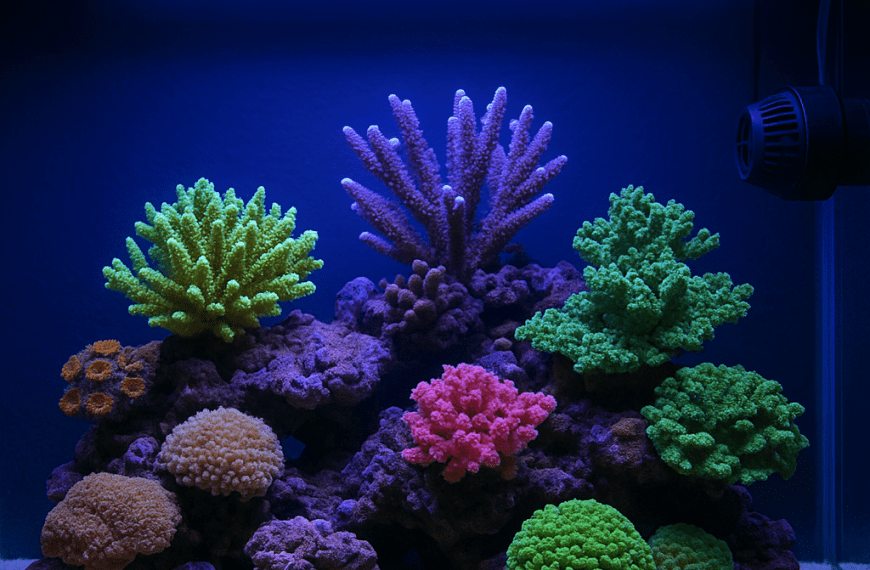
Start with hardy soft corals and LPS. Try zoanthids, mushrooms, or a toadstool leather first. Add a hammer or frogspawn once you can hold alkalinity steady. Place new corals low and move them up over 1–2 weeks.
Save SPS for later. Most tanks do better after 3–6 months of maturity. SPS need strong, random flow and stable alkalinity. Target PAR often lands around 200–350 for many acros.
Dip every coral and quarantine when you can. Pests spread fast in reefs. Flatworms and nudibranchs can wipe out collections. Keep a small coral QT with a simple light for 2–4 weeks.
- Acclimate corals to light with a 30–50% intensity reduction for 7 days.
- Keep alkalinity dosing consistent. Do not “chase” daily test noise.
- Check compatibility before buying. Some LPS have 6–10 inch sweepers.
For placement and flow basics, visit coral placement and flow guide. It helps you avoid tissue recession. It also explains why random flow matters.
Troubleshooting common stocking problems
A sudden nitrate spike often follows adding too many fish at once. Test ammonia daily for three days after a new fish. If ammonia rises above 0.1 ppm, stop feeding for 24 hours. Add extra aeration and do a 20% water change.
Bullying is usually an order problem. If a new fish hides all day, reduce light for 48 hours. Add a rock cave or a PVC elbow for shelter. In severe cases, use an acclimation box for 3–7 days.
Algae blooms often come from adding a heavy bioload before export. Increase skimmer wetness and clean the cup twice weekly. Replace old RO filters and confirm 0 TDS. Keep photo periods at 8–10 hours until the tank matures.
Coral recession often links to unstable alkalinity. Test at the same time daily for a week. Adjust dosing to keep 8–9 dKH steady. Avoid large water changes if your salt mix differs in alkalinity.
Stocking order is a simple tool with big results. Add life in layers and give the tank time to respond. With stable parameters and patient pacing, your reef will look better and run easier.
Sources: Reef2Reef community husbandry threads on stocking pace and aggression; Borneman, E. “Aquarium Corals”; Sprung, J. “The Reef Aquarium” Vol. 1–3; Delbeek & Sprung “The Reef Aquarium” science references.
 By
By