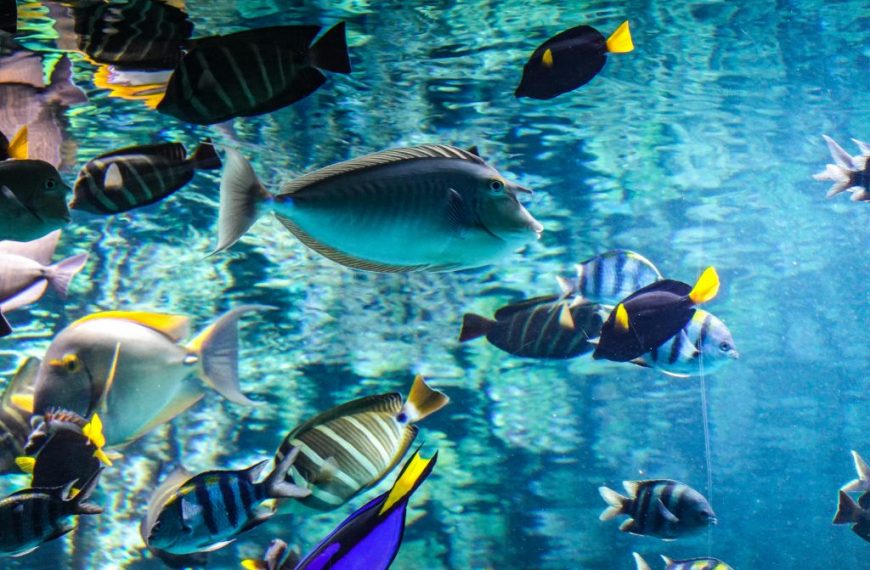

Few saltwater fish are as iconic as tangs. Their bold colors, active swimming, and impressive algae-eating abilities make them favorites in reef aquariums. But not every tang is equally suited for a mixed reef or smaller display. Choosing the best tangs for reef aquariums means balancing temperament, size, diet, and tank maturity.
Top Reef-Safe Tangs for Most Home Aquariums
While nearly all tangs are technically reef-safe with corals, some grow too large or become overly aggressive. The following species are generally reliable choices for mixed reefs:
Kole Tang (Ctenochaetus strigosus)
The Kole tang is one of the best options for medium-sized reef tanks.
- Minimum tank size: ~70–75 gallons
- Temperament: Generally peaceful, can be territorial with other tangs
- Benefits: Excellent film and detritus grazer; constantly picks at rockwork and glass
Because it belongs to the bristletooth group, the Kole tang focuses more on biofilm than macroalgae, making it a great companion for other herbivores without heavy food competition.
Tomini Tang (Ctenochaetus tominiensis)
The Tomini tang stays smaller than many tangs and adapts well to modern reef layouts.
- Minimum tank size: ~70 gallons
- Temperament: Peaceful to semi-aggressive; usually compatible with most community fish
- Benefits: Compact size, active grazer, hardy once established
Its manageable adult size and constant grazing behavior make it a go-to recommendation for aquarists moving up from nano tanks into their first larger reef system.
Yellow Tang (Zebrasoma flavescens)
The classic Yellow tang remains a standout choice where available.
- Minimum tank size: 90+ gallons
- Temperament: Can be territorial, especially toward similar-shaped tangs
- Benefits: Excellent hair algae control, high visibility, iconic color
Provide ample swimming room and plenty of rockwork with multiple escape routes. Introduce Yellow tangs later in your stocking plan to reduce aggression toward new additions.
Stocking Tips: Keeping Tangs Happy in a Reef
Even the “best” tangs can struggle if the system isn’t prepared for them. Keep these guidelines in mind:
- Tank maturity: Add tangs only to stable, cycled systems with consistent parameters.
- Oxygen & flow: Tangs are high-activity fish; strong flow and good surface agitation are crucial.
- Diet: Offer a variety of nori, spirulina-based pellets, and frozen foods; don’t rely solely on natural algae.
- Quarantine: Tangs are prone to ich and marine velvet; a proper QT protocol greatly improves survival.
Pro tip: If you want to keep more than one tang, introduce them at the same time and choose different body shapes (for example, a bristletooth tang with a Zebrasoma tang) to reduce territorial behavior.
For more guidance on building a compatible fish list, check out our in-depth guide to reef safe fish guide, and if you’re planning a larger system, our large reef tank planning guide walks through aquascape and flow considerations that tangs will appreciate. You can also pair these tang choices with the corals in our best beginner corals article for a balanced, beginner-friendly reef.
Are Tangs Right for Your Reef Aquarium?
The best tangs for reef aquariums combine manageable size, strong grazing behavior, and relatively calm temperaments. Species like the Kole, Tomini, and Yellow tang fit well into many home reefs when given adequate space, stable water quality, and a varied herbivorous diet. If you plan ahead, quarantine carefully, and respect their need for room to swim, tangs can become centerpiece fish that keep your rockwork cleaner and your display more dynamic for years to come.
Sources
- Michael S. Paletta – The New Marine Aquarium, Microcosm, 2001.
- Scott W. Michael – Reef Fishes, Volume 1, Microcosm, 2001.
- Borneman, Eric – Aquarium Corals, TFH, 2001 (for compatibility context).
- Publicly available husbandry data from major marine livestock vendors and public aquaria husbandry notes (accessed 2024).
 By
By