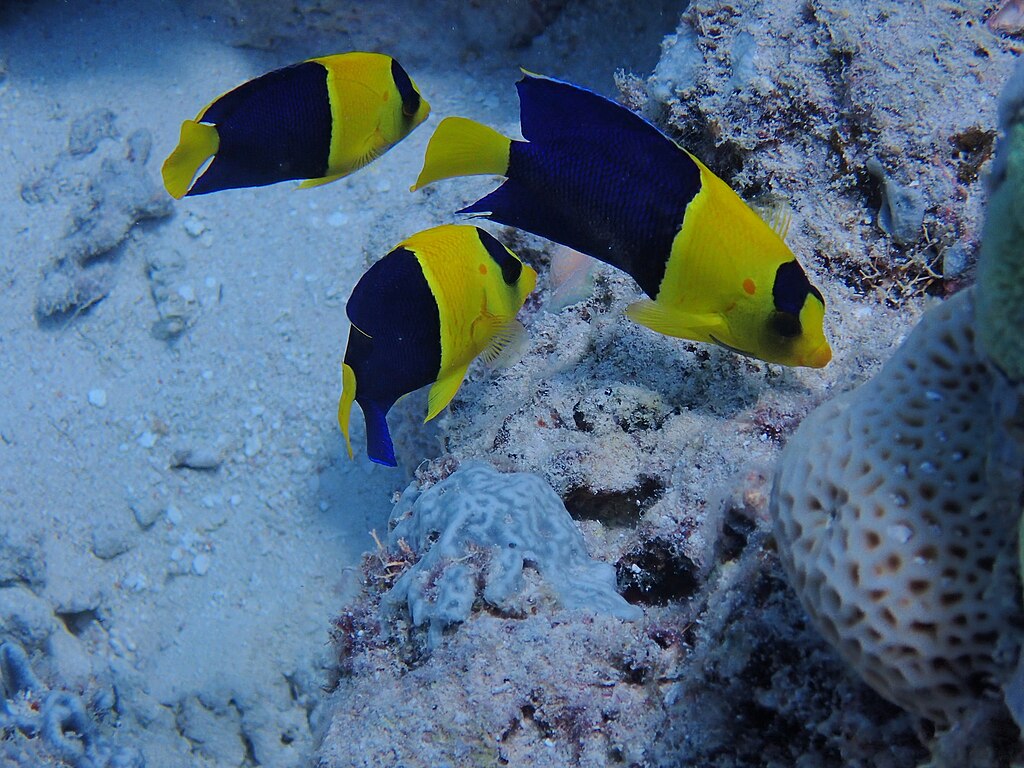
The bicolor angelfish is a striking dwarf angel with bold yellow and blue. It is also a fish with clear needs. Good planning prevents stress, disease, and coral damage.
Tank size, setup, and water parameters
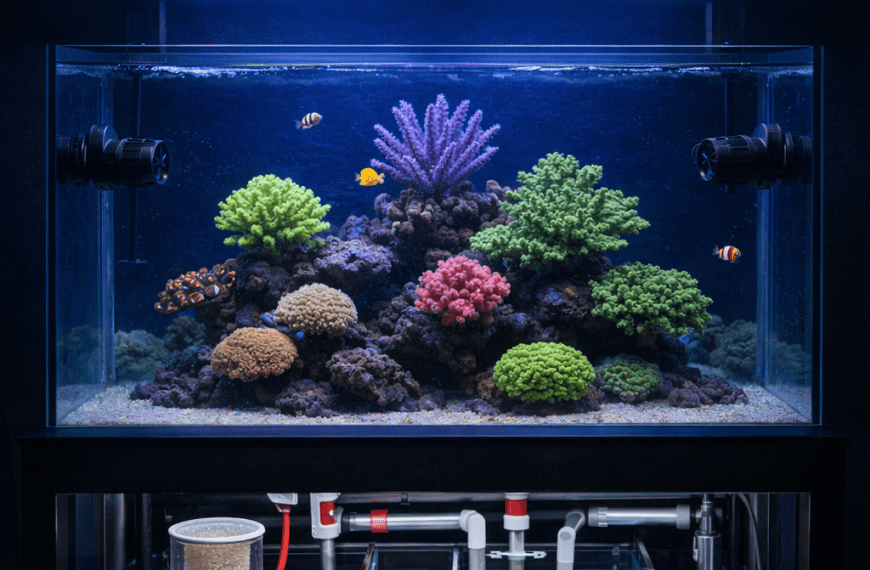
Plan for at least a 70-gallon tank for one adult. Bigger is better for shy angels. Add 60 to 90 pounds of live rock for a 75-gallon. Build caves and shaded ledges. This fish grazes and retreats often.
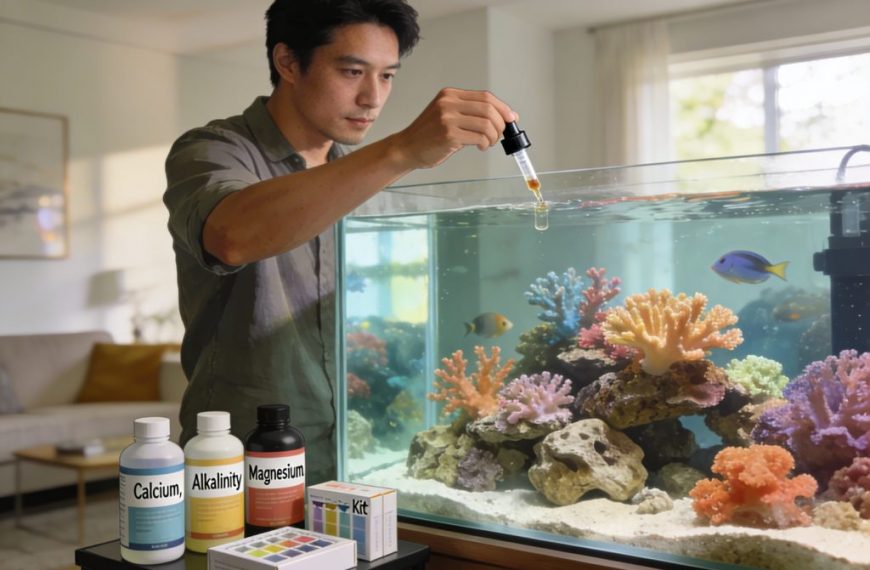
Keep parameters stable and boring. Aim for 1.025 specific gravity and 78°F. Keep pH at 8.1 to 8.4. Maintain alkalinity at 8 to 9 dKH. Keep nitrate under 10 ppm. Keep phosphate under 0.10 ppm.
Use strong filtration and consistent export. A protein skimmer helps a lot. Run carbon if you feed heavy. Provide moderate to strong flow. Give 8 to 10 hours of light. Add a refugium if nutrients creep up. See reef tank water parameters for a quick checklist.
- Use an ammonia alert badge during the first month.
- Do 10% water changes weekly, or 20% every two weeks.
- Cover overflows and pumps to prevent fin damage.
Feeding and daily care for long-term success
Bicolor angels are constant pickers. Many new imports arrive thin. Feed small portions two to three times daily. Offer frozen mysis and brine with spirulina. Add chopped clam or shrimp twice weekly. Use a quality pellet as a staple.
Always include algae and sponge-based foods. Clip a 2×3 inch nori sheet each morning. Replace it after four hours. Offer an angelfish formula with sponge in the evening. This improves color and reduces coral nipping. It also supports gut health.
Watch for a fish that “pecks but does not swallow.” That often means stress or parasites. A healthy fish has a full belly and steady grazing. If it hides all day, check flow and bullying. Also check nitrate and pH swings. Review saltwater fish feeding guide for portion ideas.
- Soak frozen food in vitamins twice weekly.
- Use a feeding ring to keep nori from blowing away.
- Remove uneaten food within five minutes.
Compatibility, reef safety, and troubleshooting
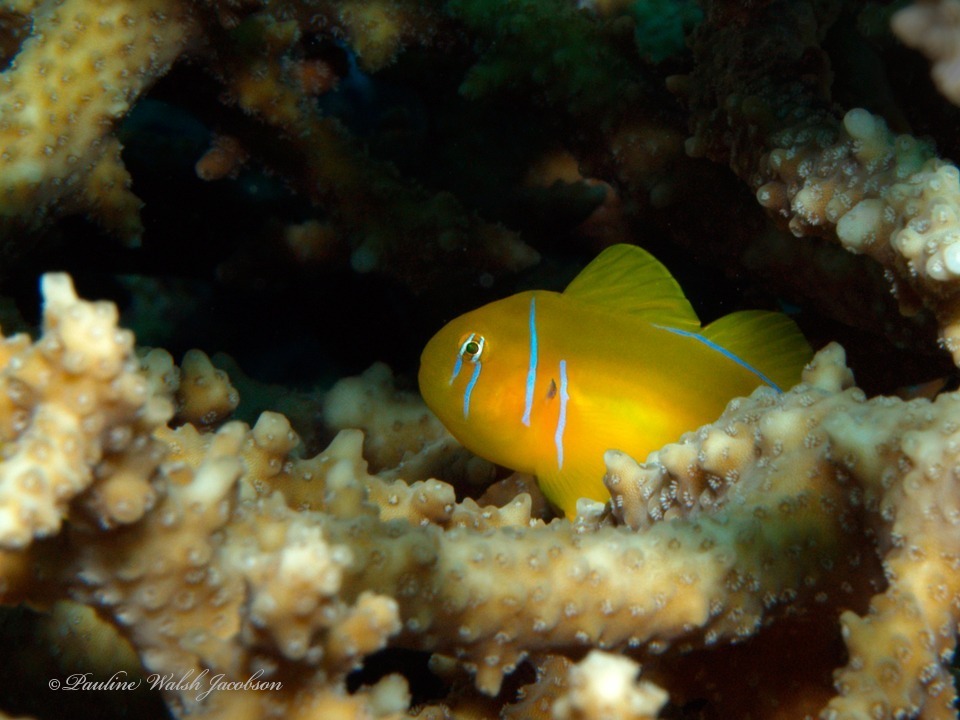
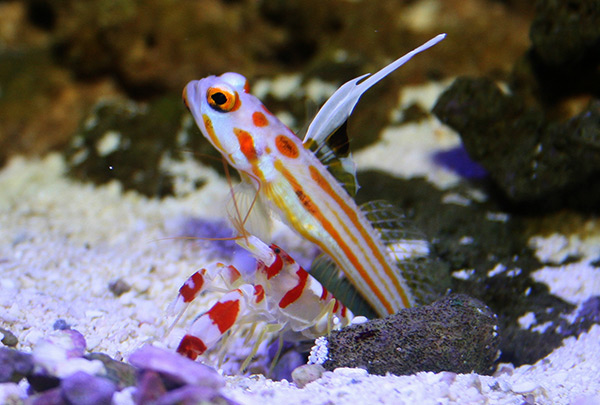
Bicolor angelfish can be semi-aggressive. Avoid mixing with other Centropyge in small tanks. Do not add it with large, pushy tangs in a 70-gallon. Choose calm tankmates like gobies and wrasses. Add the angel after timid fish settle in.
Reef safety is “with caution.” Many individuals nip at LPS and zoas. Some also pick at clam mantles. Risk rises when the fish is underfed. It also rises in sparse rockwork. If you keep prized corals, plan a backup tank or an acclimation box.
Quarantine is strongly advised for 14 to 30 days. Use a bare tank with PVC and a sponge filter. Keep salinity at 1.024 to 1.025 and temp at 78°F. Observe for ich and flukes. Rapid breathing can signal gill parasites. Scratching can also be a clue. See quarantine saltwater fish for a simple setup.
- If it nips corals, increase feeding to three times daily.
- If it fades in color, check nitrate and add sponge-based foods.
- If it hides, reduce bright light and add more caves.
Bicolor angelfish reward steady care and stable water. Start with the right tank size and rockwork. Feed often and watch behavior daily. With planning, this dwarf angel can thrive for years.
Sources: FishBase (Centropyge bicolor species summary); Scott W. Michael, Reef Fishes Vol. 1; Fenner, The Conscientious Marine Aquarist.

 By
By