A quarantine tank protects your display from parasites and stress. It also gives new fish time to eat well and heal. Cycling the tank first makes quarantine safer and calmer.
Why a cycled quarantine tank matters
A quarantine tank still needs biological filtration. Fish waste becomes ammonia within hours. Ammonia burns gills fast. In a small tank, it spikes quickly.
In saltwater, aim for 0 ppm ammonia and 0 ppm nitrite. Keep nitrate under 20 ppm during quarantine. Stable salinity also matters. Target 1.025 specific gravity for most reef fish.
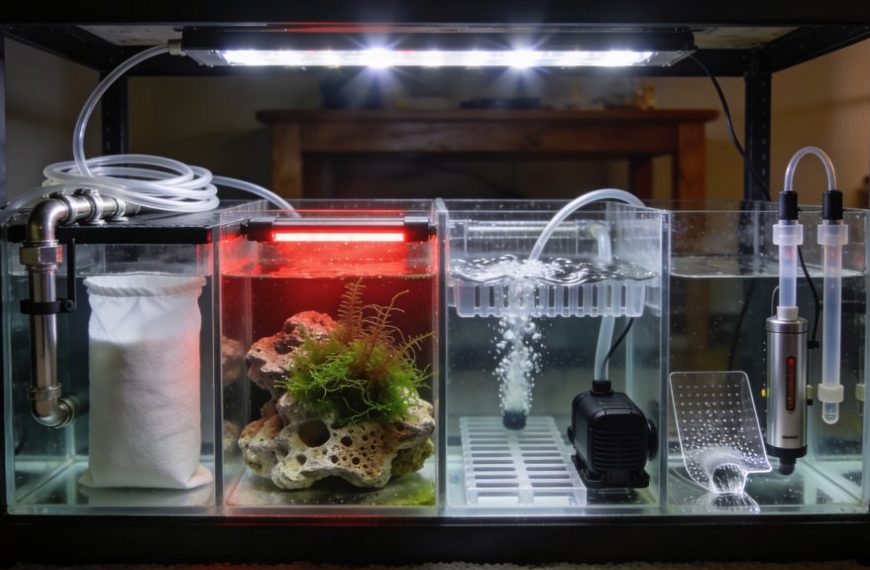
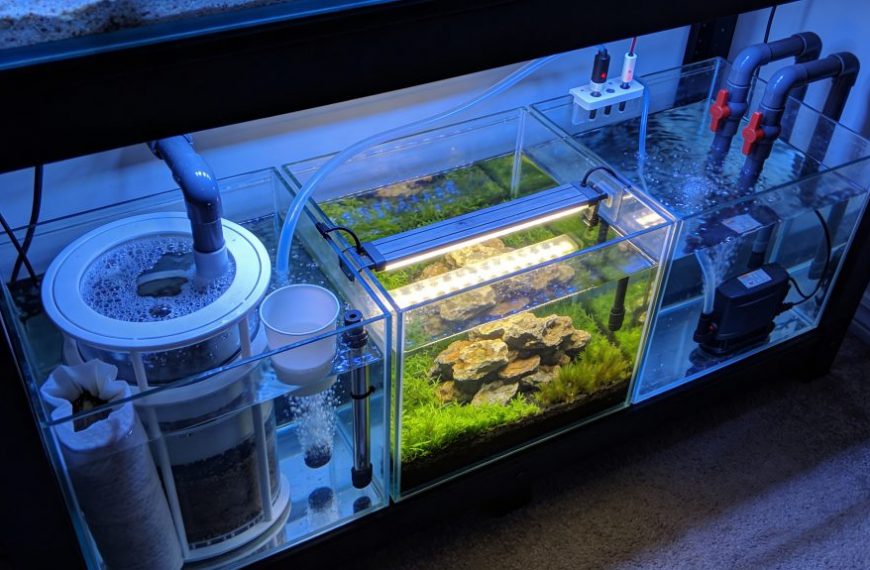
Many QT setups are bare bottom and easy to clean. That reduces hiding places for bacteria. You must add “surface area” on purpose. Use a sponge filter, ceramic media, or a hang-on-back filter with biomedia.
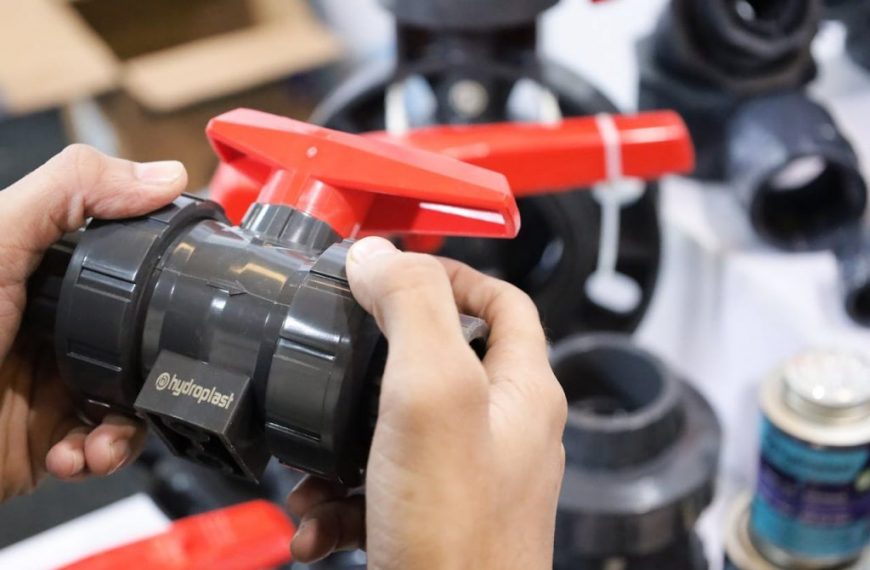
Plan the tank like a hospital room. Keep it simple and predictable. Add PVC elbows for shelter. Use a lid to prevent jumps. For more setup basics, see quarantine tank setup basics.
- Tank size: 10–20 gallons for small fish, 29–40 gallons for larger fish
- Temperature: 77–79°F with a reliable heater
- Flow: gentle surface ripple for oxygen
- Light: dim to moderate to reduce stress
How to cycle a quarantine tank (two reliable methods)
Method one is “pre-seeded media.” Keep a sponge filter or biomedia in your display sump. Leave it there at least 2–4 weeks. When you need a QT, move that media into the QT filter. This gives instant nitrifying bacteria.
Method two is a fishless cycle with bottled bacteria and ammonia. Fill the QT with mixed saltwater. Match salinity to your future quarantine plan. Add a heater and filter. Dose bacteria per label. Then add pure ammonia to reach 1–2 ppm.
Test daily with a reliable kit. Ammonia should drop first. Nitrite will rise next. When you can dose 1 ppm ammonia and see 0 ammonia and 0 nitrite within 24 hours, the QT is cycled. This often takes 7–21 days.
Do not use live rock in QT. Rock absorbs copper and other meds. It also brings pests. Use inert PVC and a sponge filter instead. For test guidance, see how to test saltwater aquarium water.
- Target cycle proof: 1 ppm ammonia processed to 0/0 in 24 hours
- Keep pH stable: 8.0–8.3 helps bacteria work well
- Use an air stone when cycling and when medicating
Running the QT day to day and avoiding common crashes
Even cycled QTs can wobble. Medications can slow bacteria. Heavy feeding can overwhelm the filter. Test ammonia daily for the first week with new fish. After that, test every other day.
If ammonia hits 0.25 ppm, act fast. Do a 25–50% water change. Add an ammonia binder if needed. Then reduce feeding for 24 hours. Increase aeration. Recheck in 6–12 hours.
Match new water closely. Keep salinity within 0.001 specific gravity. Match temperature within 1°F. This reduces stress. It also keeps fish eating. Use a dedicated bucket and hose for QT only.
Have a plan for “surprise fish.” Keep a spare sponge filter seeded at all times. Keep extra mixed saltwater ready. Store extra PVC fittings. For a full workflow, read quarantine protocol for new fish.
- Common mistake: starting QT the same day you buy fish
- Common mistake: overfeeding to “help them settle”
- Common mistake: skipping a lid and losing jumpers
- Troubleshooting tip: cloudy water often means overfeeding or a mini-cycle
Sources: Hovanec & DeLong, “Comparative analysis of nitrifying bacteria associated with freshwater and marine aquaria”; Spotte, “Captive Seawater Fishes”; Tullock, “The New Marine Aquarium.”
Cycling a quarantine tank takes a little planning, but it saves livestock. Use seeded media or a fishless cycle with ammonia. Then test often and react early. Your display tank will stay safer and more stable.
 By
By