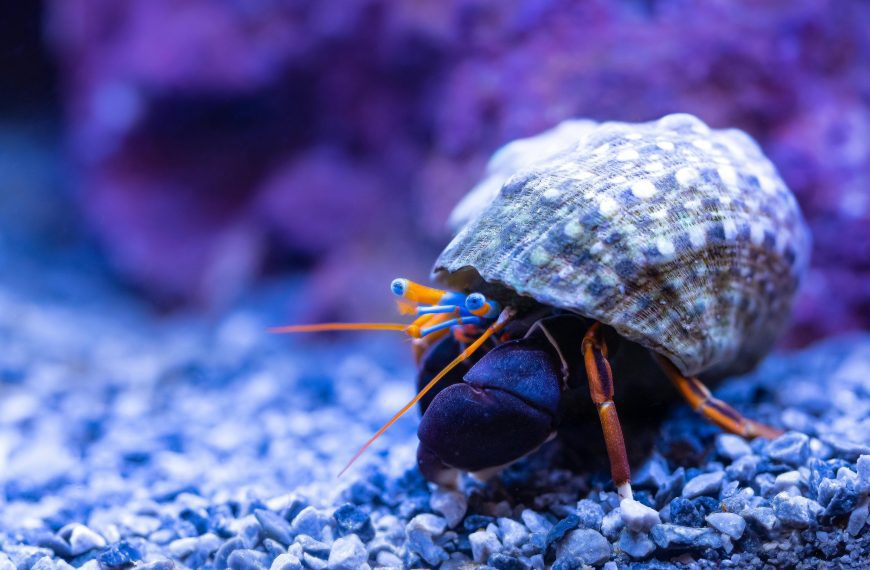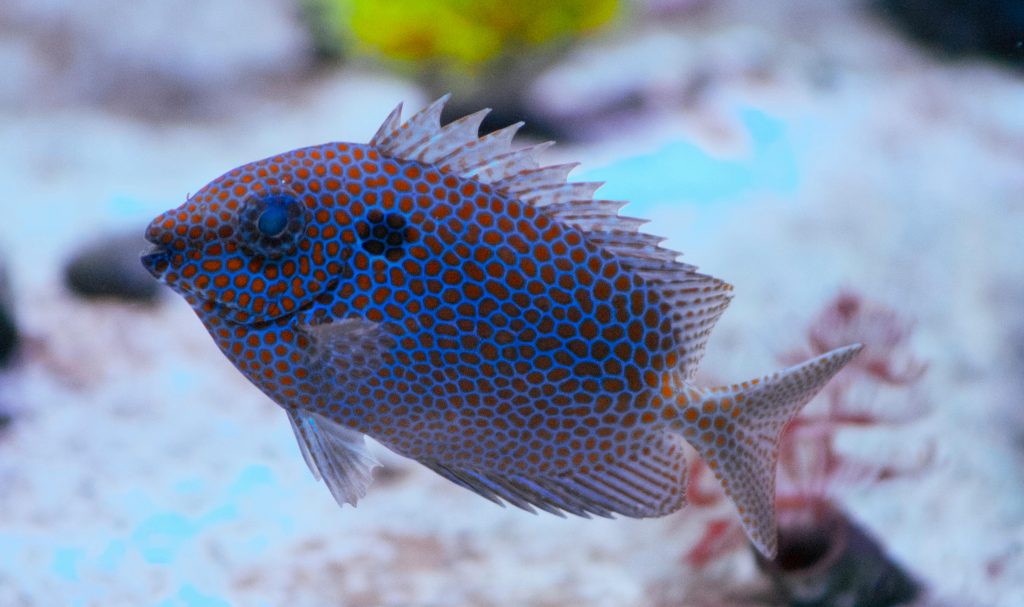

The Electric Blue Hermit Crab (Calcinus elegans) is one of the most striking clean-up crew members you can add to a saltwater tank. With neon-blue legs striped in black and bright orange antennae, this hardy hermit brings both utility and color to reef aquariums of many sizes. Understanding its care, behavior, and compatibility will help you get the most from this eye-catching invertebrate.
Electric Blue Hermit Crab Care & Tank Requirements
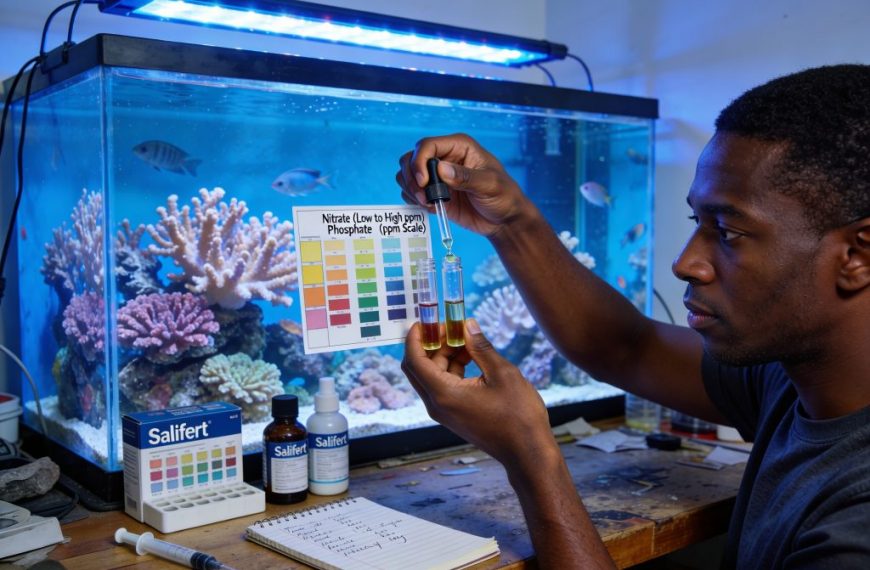
Electric Blue Hermits are relatively hardy, but they still need stable, reef-quality water. They do best in established marine systems with plenty of live rock and natural algae growth.
- Scientific name: Calcinus elegans
- Adult size: 1–2 inches (shell size can be larger)
- Minimum tank size: 20 gallons (larger is better for multiple hermits)
- Temperature: 72–78°F (22–26°C)
- Salinity: 1.024–1.026 specific gravity
- pH: 8.1–8.4
They are excellent members of a reef clean-up crew, grazing on film algae, leftover food, and detritus. For a broader guide to building an effective clean-up crew, see our post on reef clean-up crew selection and stocking.
Diet & Feeding Tips
While Electric Blue Hermits are active scavengers, they still benefit from targeted feeding, especially in cleaner, lower-nutrient tanks.
- Offer sinking pellets, herbivore wafers, or small pieces of frozen foods.
- Supplement with dried seaweed (nori) clipped near their favorite rockwork.
- Feed sparingly; overfeeding can degrade water quality and fuel nuisance algae.
Pro tip: If your tank is very clean and low in algae, spot-feed your Electric Blue Hermits 2–3 times per week so they don’t turn to tank mates or snails for extra calories.
Behavior, Compatibility & Shell Management
Electric Blue Hermits are more assertive than tiny micro-hermits but usually remain reef-safe when properly housed and fed. They spend most of their time climbing rockwork and grazing across the sandbed.
Tank Mates & Reef Safety
- Generally compatible with: most reef-safe fish, snails, shrimp, and corals.
- Use caution with: very small ornamental snails or slow, delicate inverts.
- Avoid: aggressive crabs, large predatory wrasses, triggers, and puffers that may pick at or eat hermits.
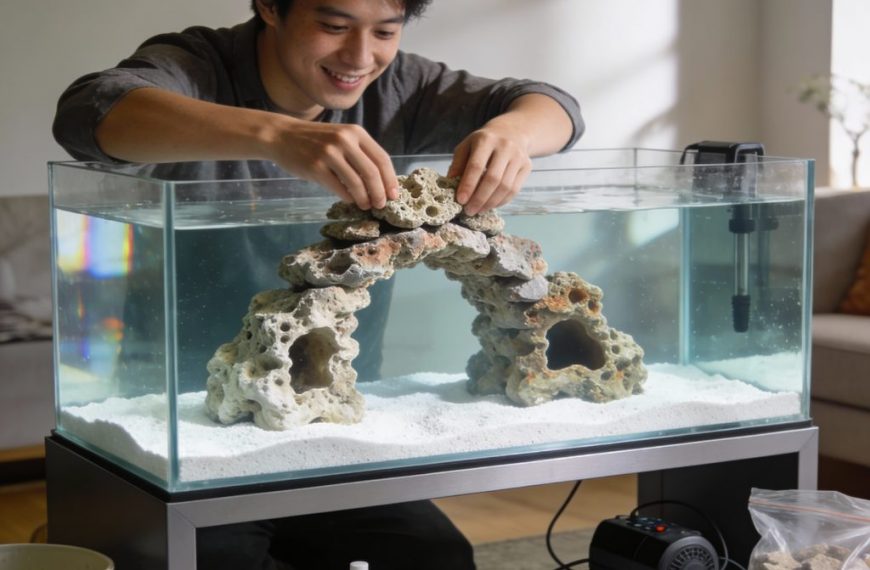
Electric Blue Hermits are considered coral-safe and won’t typically damage healthy polyps. If you keep sensitive species like fleshy LPS or clams, ensure rockwork is stable so an energetic crab can’t topple anything. For more on stabilizing rock structures and planning your aquascape, check out our aquascaping basics for reef tanks.
Providing Extra Shells (and Preventing Problems)
Like all hermits, Electric Blues periodically upgrade into larger shells as they grow. A lack of suitable shells is the most common cause of aggression toward snails and other hermits.
- Offer a variety of empty shells slightly larger than their current homes.
- Use smooth, natural marine shells; avoid painted or coated shells.
- Place shells in a small pile near their favorite hangout areas.
Pro tip: Aim for 3–5 spare shells per hermit crab. This simple step dramatically reduces shell fights and snail mortality.
Is the Electric Blue Hermit Crab Right for Your Reef?
If you want a clean-up crew member that doubles as a centerpiece invertebrate, the Electric Blue Hermit Crab is a great choice. It adds motion and intense color while helping control algae and leftover food. Just provide stable water parameters, a mature tank with rockwork to explore, and plenty of spare shells.
When planning your invertebrate mix, consider how Electric Blue Hermits will complement other cleaners like trochus snails, nassarius snails, and emerald crabs. For a step-by-step approach to stocking your first reef tank, don’t miss our guide to beginner reef tank stocking.
With thoughtful tank mates and basic care, Electric Blue Hermit Crabs can thrive for years, becoming some of the most entertaining and useful residents in your marine aquarium.
Sources
- Calfo, A. & Fenner, B. (2003). Reef Invertebrates. Reading Trees Publications.
- Sprung, J. (2001). Invertebrates: A Quick Reference Guide. Ricordea Publishing.
- Borneman, E. H. (2001). Aquarium Corals. TFH Publications.
 By
By