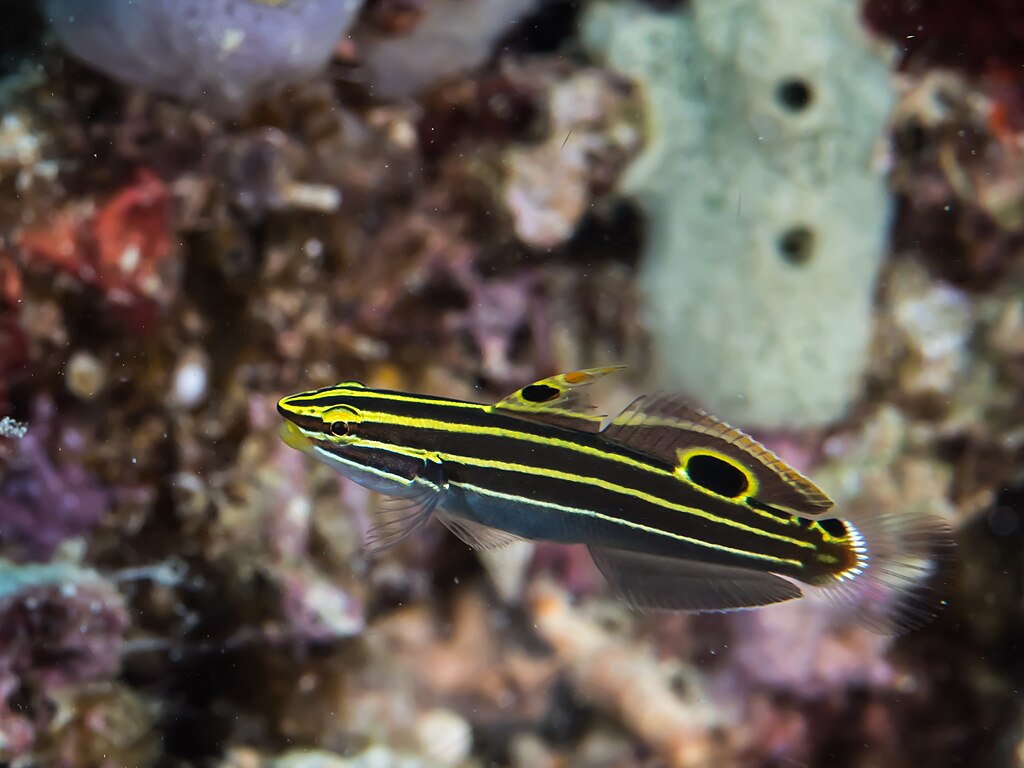
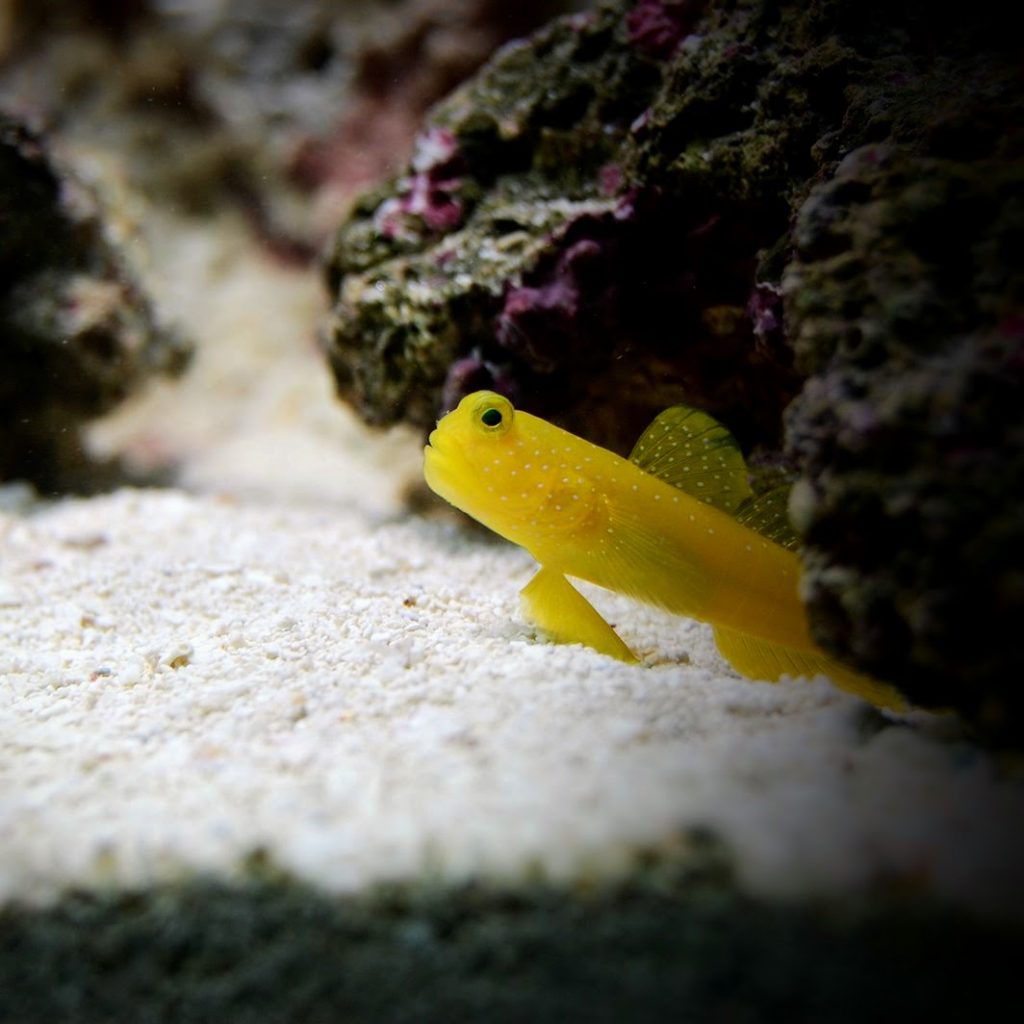
Goby fish are small, hardy, and full of personality. Many species fit well in reef tanks. Good goby care starts with the right match of tank, sand, and food.
Choosing the right goby and setting up its home
Pick a goby for your tank size and temperament. Watchman gobies do well in 20 gallons or more. Smaller neon gobies can work in 10 gallons. Sand-sifting gobies often need 30 gallons or more. They also need mature sand beds.
Build a safe burrow zone. Use 1 to 2 inches of fine sand for most watchman types. Use 2 to 3 inches for sand sifters. Add small rubble pieces near the base of live rock. Many gobies use rubble like bricks. Keep rock on the glass, not on sand.
Cover the tank tightly. Gobies can jump during spats or night scares. Use mesh with 1/4 inch gaps or less. Seal cable cutouts and corners. A lid prevents many “mystery disappearances.”
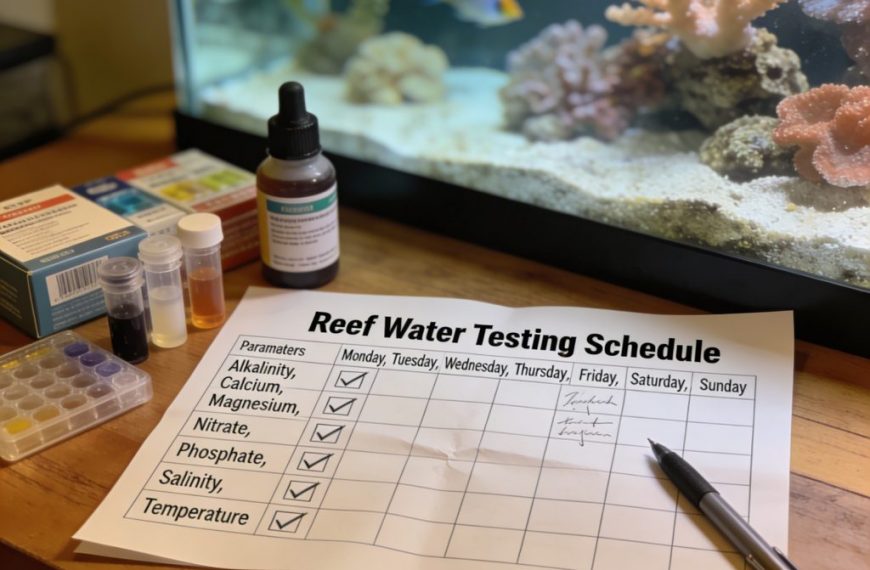
Stability matters more than chasing perfect numbers. Aim for 76–79°F and 1.025 specific gravity. Keep pH near 8.1–8.4 and alkalinity 8–10 dKH. Keep ammonia and nitrite at 0 ppm. Keep nitrate under 20 ppm for most fish. Many reef keepers target 5–15 ppm.
- Acclimate slowly for 30–60 minutes with a drip line.
- Provide at least two hiding spots on opposite sides of the tank.
- Use moderate flow near the sand to avoid constant burrow collapse.
For more on stable parameters, see our reef tank water parameters guide. It helps you set targets and test schedules.
Feeding, behavior, and tankmates that actually work
Most gobies need small foods offered often. Feed 1 to 2 times daily for settled fish. Feed 2 to 3 times daily for new arrivals. Use small portions each time. Target feed near the burrow with a pipette.
Use a varied menu. Offer frozen mysis, enriched brine, and finely chopped seafood. Add pellets sized 0.5–1 mm for smaller mouths. Soak foods in vitamins once or twice weekly. This helps prevent head and lateral line erosion.
Watch behavior to confirm feeding success. A healthy goby has a rounded belly by evening. It should perch and dart with purpose. A pinched belly suggests it is losing the food race. In that case, feed after lights dim. Or feed from a turkey baster near its cave.
Choose tankmates that will not bully or outcompete. Avoid large dottybacks and aggressive wrasses in small tanks. Pair gobies with peaceful clowns, cardinals, and small blennies. Many watchman gobies bond with pistol shrimp. The shrimp digs and the goby stands guard. Give them rubble and a calm corner.
- Feed frozen foods in high flow, then target feed the goby last.
- Keep a sand-sifter only if your sand bed is mature and stocked with pods.
- Quarantine new fish for 14–30 days when possible.
If you want a shrimp partner, read our pistol shrimp and goby pairing walkthrough. For disease prevention, see our quarantine tank setup guide.
Troubleshooting common goby problems
Burrow collapse is common in new tanks. Fine sand can shift under strong pumps. Aim powerheads slightly upward. Add rubble pieces near the burrow entrance. This gives structure and reduces digging stress.
Refusal to eat often links to stress or competition. Dim the lights for the first day. Provide a cave and keep hands out. Offer live foods like copepods or live brine as a starter. Then mix in frozen foods over a week.
Sand-sifting gobies can starve in clean systems. They filter tiny life from sand all day. In bare or young tanks, they run out of food. Add a refugium and seed pods monthly. Or choose a perch-style goby instead.
Jumping and “vanishing” is another issue. Check overflows and sump socks. Install a comb guard on overflow teeth. Keep a lid on at all times. This is most important during the first two weeks.
- Pinched belly: increase feeding to three small meals daily for one week.
- Rapid breathing: test ammonia and pH right away.
- Fin damage: add hiding places and reassess aggressive tankmates.
With steady parameters, a secure burrow, and smart feeding, gobies thrive. Start with a species that matches your tank and sand bed. Then build a routine you can keep for months.
Sources: Scott W. Michael, Marine Fishes; Fenner, Robert, The Conscientious Marine Aquarist; Delbeek & Sprung, The Reef Aquarium (volumes 1–3).
 By
By