Pistol shrimp and goby pairs are reef tank favorites. They share a burrow and split the work. With the right setup, they act natural and stay visible.
Choose compatible species and plan the tank
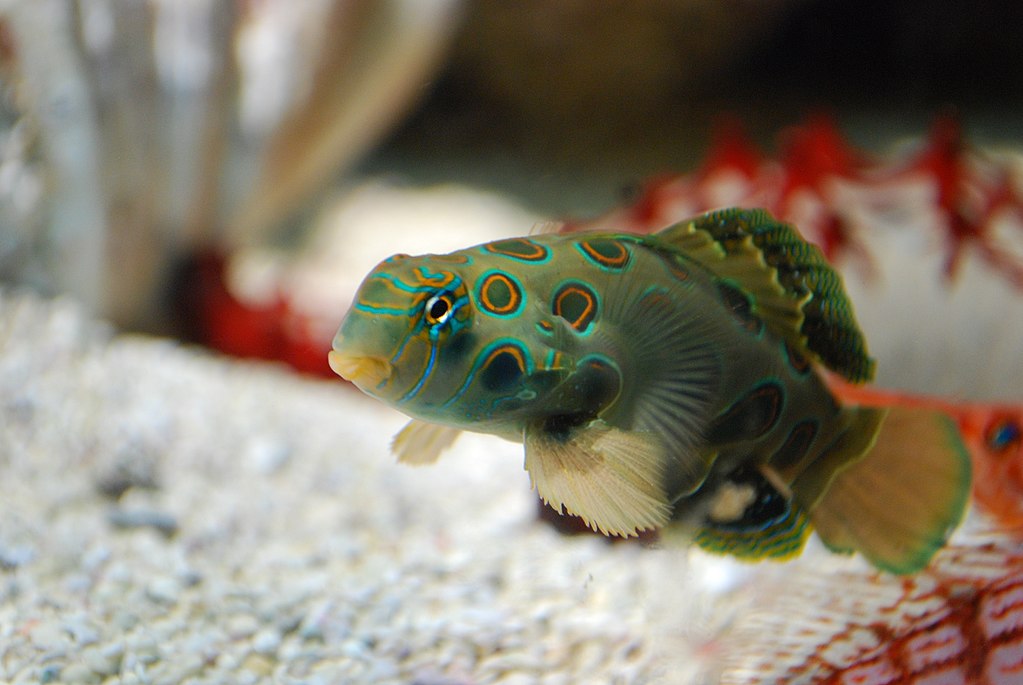
Start with a proven pairing to avoid stress. Watchman gobies often pair well with Alpheus pistol shrimp. Common choices include the Yellow Watchman (Cryptocentrus cinctus) and Randall’s goby (Amblyeleotris randalli). Good shrimp options include the Tiger pistol (Alpheus bellulus) and Randall’s pistol (Alpheus randalli).
Tank size matters for stable behavior. Aim for 20 gallons minimum for one pair. A 30 to 40 gallon tank is easier for beginners. Keep sand depth at 2 to 3 inches. Use 0.5 to 2.0 mm grain size for digging.
Keep water stable before you add them. Target 1.025 specific gravity and 78°F. Hold alkalinity at 8 to 9 dKH. Keep nitrate under 10 ppm and phosphate under 0.10 ppm. Sudden swings can make the goby hide and stop eating.
Plan the neighborhood in advance. Avoid aggressive sand perchers and large wrasses. Dottybacks can harass gobies in small tanks. Keep burrow space open near the front glass. This helps you enjoy the pair daily.
- Pick a known pair, not a “maybe” match.
- Use 2–3 inches of fine sand for stable tunnels.
- Build rock on the glass, not on shifting sand.
For more stocking context, see our reef fish compatibility guide.
Set up the burrow zone and introduce them safely
Create a “burrow zone” before the animals arrive. Place a flat rock or small rubble pile on the sand. Then wedge it into a stable base rock. Add a few shell halves and small coral rubble pieces. The shrimp will use these as supports.
Use a calm acclimation process. Drip acclimate for 30 to 60 minutes. Match temperature and salinity closely. Then add both animals near the same burrow zone. Turn lights down for the first day.
Do not panic if they disappear at first. Many pairs stay hidden for 24 to 72 hours. The shrimp will dig and seal entrances at night. The goby often “stands guard” once settled. You may hear snaps during feeding time.
Quarantine can be tricky with pistols. Bare bottoms limit digging and increase stress. If you quarantine, add a container of sand and PVC pieces. Keep copper away from shrimp. If you treat fish with copper, keep the shrimp in the display.
- Place a flat rock “roof” to prevent cave-ins.
- Add rubble and shells for reinforcement materials.
- Introduce the goby and shrimp together near the same spot.
If you need a stable foundation plan, read our how to aquascape live rock guide.
Feeding, maintenance, and troubleshooting common problems
Feed the pair with intention. Gobies eat small meaty foods well. Offer frozen mysis, brine, and finely chopped seafood. Feed once daily for adults. Feed twice daily for new or thin fish.
Pistol shrimp also need direct food. They will steal from the goby, but do not rely on scraps. Use a feeding tube or turkey baster. Place food near the burrow entrance. Offer 2 to 4 small pellets or a mysis portion every other day.
Watch for sand storms and clogged pumps. Pistols move sand onto corals and intakes. Use a foam prefilter on powerheads near the bottom. Keep LPS off the sand near the burrow. Place frags on small rocks or racks.
Most problems come from stress or poor habitat. A goby that refuses food often feels exposed. Add more rubble and a second entrance. A shrimp that abandons the burrow may be bullied. Check at night with a dim flashlight. Also confirm ammonia and nitrite are at 0 ppm.
- Target feeding prevents starvation and reduces aggression.
- Move sensitive corals 6–10 inches from the burrow.
- Use a prefilter to stop sand from entering pumps.
For long-term stability, review our reef tank water parameters checklist.
Pistol shrimp and goby pairs reward patience. Give them stable sand, steady parameters, and calm tankmates. Once settled, they become a daily highlight and a natural reef behavior display.
Sources: Fenner, R. (The Conscientious Marine Aquarist); Borneman, E. (Aquarium Corals); Sprung, J. (The Reef Aquarium, Vol. 1–3).
 By
By