Dead spots are areas with weak flow in your reef tank. They trap waste and fuel nuisance algae. Fixing them improves coral health and keeps sand clean.
You do not need extreme flow everywhere. You need consistent, varied movement across rock and sand. This guide shows how to find dead spots and remove them.
Find dead spots and confirm the cause
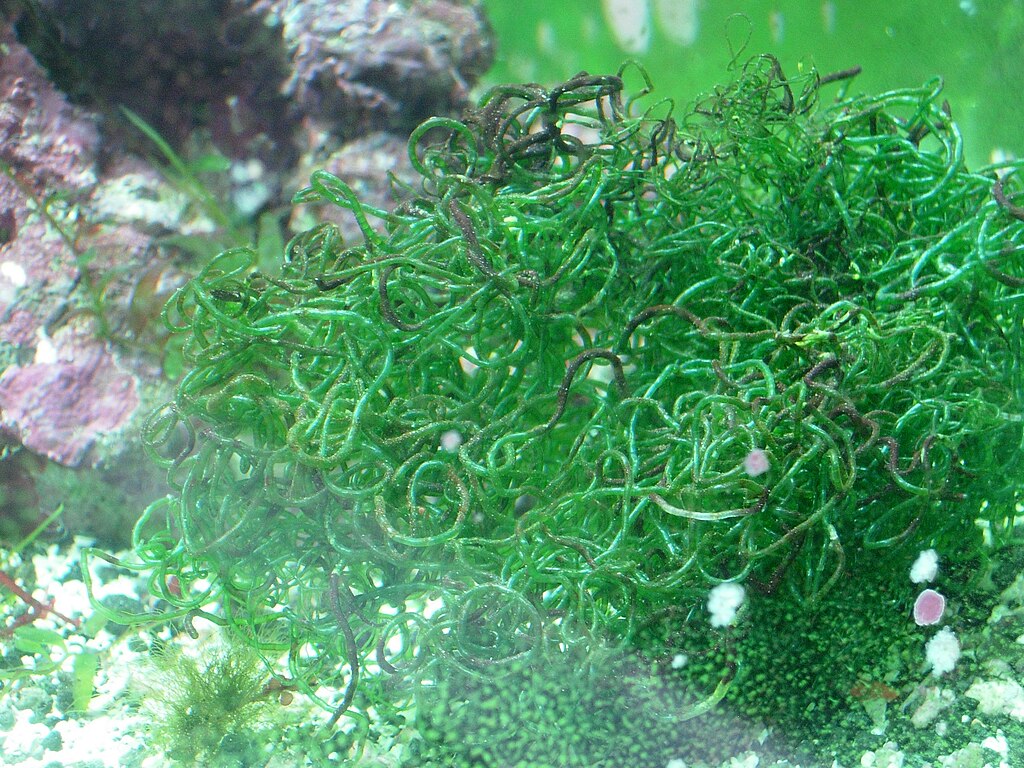
Start with simple observation during lights on and off. Detritus piles behind rocks and in corners. Cyanobacteria often forms sheets in low flow zones. Sand may look dull and compacted.
Use a turkey baster to test flow paths. Blast a small cloud of detritus near the problem area. Watch where it goes for 30 seconds. If it drops straight down, that zone lacks transport.
Check your return nozzles and overflow teeth for blockage. A dirty strainer can cut flow fast. Also check for kinked hoses and clogged socks. A 20% flow loss can create new dead zones.
Confirm your baseline turnover and targets. Aim for 5–10x display volume per hour through the sump. Aim for 20–40x total in-tank circulation for mixed reefs. SPS systems often run 40–70x with wide flow.
- Look for detritus piles, cyano sheets, and dull sand patches.
- Baste detritus and track where it settles.
- Measure return flow after head loss and dirty filters.
- Compare against 5–10x sump turnover and 20–40x in-tank flow.
Reposition pumps and shape flow around rockwork
Dead spots usually come from rock blocking flow. Create open channels behind and under structures. Leave at least 2–3 inches between rock and glass. Add arches or lift rock on small supports.
Place powerheads to intersect and break up laminar streams. Aim one pump slightly upward for surface agitation. Aim the other across the back wall to sweep behind rock. Avoid pointing directly at sand at full power.
Use alternating modes if your controller allows it. Try 30–60 second pulses or random modes. This changes where detritus settles. It also reduces coral tissue stress from constant blast.
Match pump size to tank length and aquascape. In a 75-gallon mixed reef, two pumps rated 1,500–2,500 GPH each often work well. Start at 30–50% power and adjust weekly. Wide-flow pumps reduce sand storms.
- Keep 2–3 inches of clearance behind rock and near glass.
- Cross-stream pumps to eliminate “shadow” zones.
- Run pulses or random flow to move detritus daily.
- Ramp up slowly over 7–14 days to protect corals.
Maintenance and troubleshooting to keep dead spots from returning
Flow only helps if waste can exit the system. Clean mechanical filtration often. Replace or wash filter socks every 2–3 days. Empty the skimmer cup at least weekly. A dirty neck reduces skimmate fast.
Stir and vacuum sand in small sections. Do 10–20% of the sandbed per week. Use a siphon during water changes. If you run a deep sand bed, avoid deep stirring. Focus on the top 1 cm only.
Use targeted “detritus storms” before water changes. Baste rocks for 5 minutes. Let the system run for 10 minutes. Then change water and swap mechanical filters. This exports waste instead of resettling it.
Watch for common mistakes. Too much rock against the back wall traps waste. Too little surface agitation lowers oxygen at night. Also avoid chasing cyano only with chemicals. Fix flow and nutrients together. For nutrient control, see nitrate and phosphate balance. For pump setup, review powerhead placement basics. For sand care, read sandbed maintenance tips.
- Clean pump guards monthly to prevent hidden flow loss.
- Keep temperature 25–26°C and salinity 1.025–1.026 stable.
- Test nitrate weekly and keep 2–15 ppm for most mixed reefs.
- Keep phosphate 0.03–0.10 ppm to reduce algae pressure.
Sources: Delbeek & Sprung, The Reef Aquarium (Vol. 1–3); Borneman, Aquarium Corals; Holmes-Farley, “Water Flow in Reef Aquaria” (advanced reefkeeping articles).
Dead spots are fixable with smart flow and better export. Confirm the weak zones, then reshape flow paths around rock. Maintain pumps and filtration so the problem stays solved.
Make one change at a time and observe for a week. Your corals will extend better and your sand will stay brighter. Stable, varied flow is the long-term win.
 By
By