Juvenile Orange Shoulder tangs look calm and compact in stores. They grow fast and change color with age. Plan ahead before you bring one home.
What a juvenile Orange Shoulder is really like
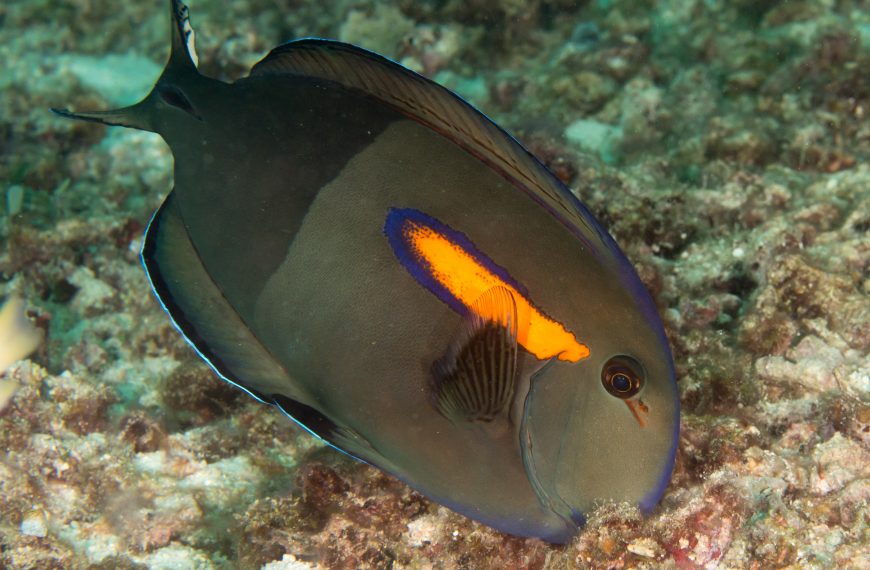
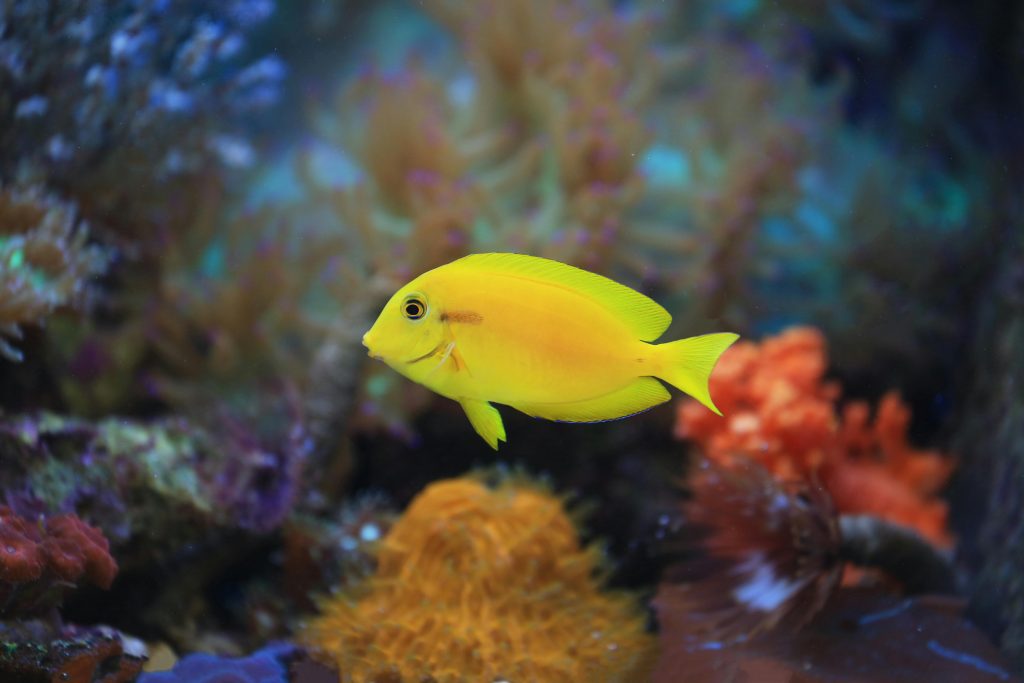
A juvenile Acanthurus olivaceus often shows a dusky body and pale markings. The bright orange “shoulder” develops later. Adults can reach 14 inches in captivity. Many outgrow small reef tanks within a year or two.
Start with a tank that matches the adult fish. Aim for 180 gallons or larger. Choose a 6-foot tank when possible. Strong swimmers need long runs, not tall cubes.
Temperament is usually moderate in juveniles. It can shift with size and confidence. Keep only one similar Acanthurus in most tanks. Add the tang last to reduce bullying.
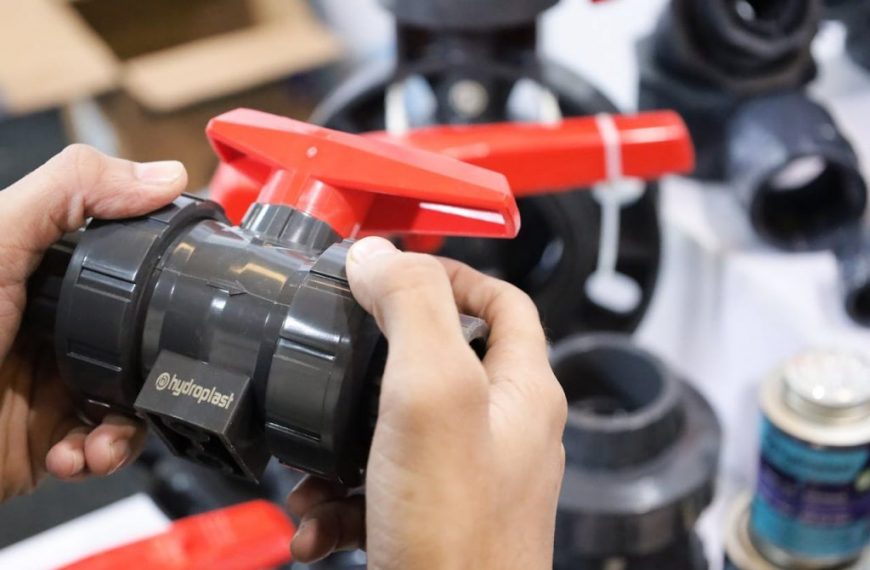
Quarantine is not optional with this species. Tangs are ich magnets under stress. Use a 40-gallon breeder for small juveniles. Provide PVC elbows for shelter. Read our quarantine for saltwater fish guide for a full workflow.
- Minimum tank goal: 180 gallons, 72 inches long
- Adult size planning: 12–14 inches
- Best order of addition: add after peaceful community fish
Tank setup and water parameters that keep them stable
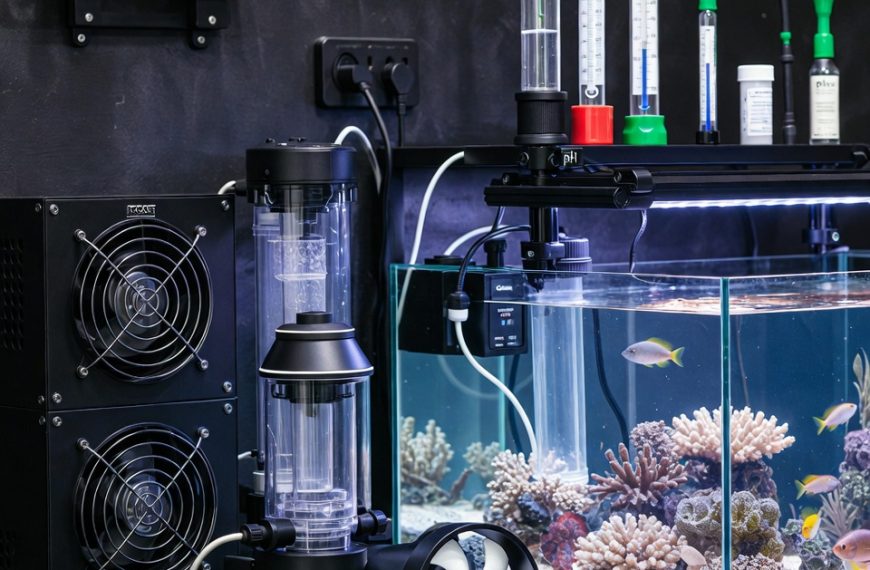
Orange Shoulder tangs thrive with high oxygen and steady pH. Use strong surface agitation and a quality skimmer. Aim for 20–40x turnover in the display. Add flow that breaks up dead spots behind rock.
Keep reef-safe parameters tight and consistent. Target 1.025 specific gravity, measured by refractometer. Hold temperature at 77–79°F. Keep pH at 8.1–8.4 and alkalinity at 8–9 dKH. Keep nitrate under 20 ppm and phosphate under 0.10 ppm.
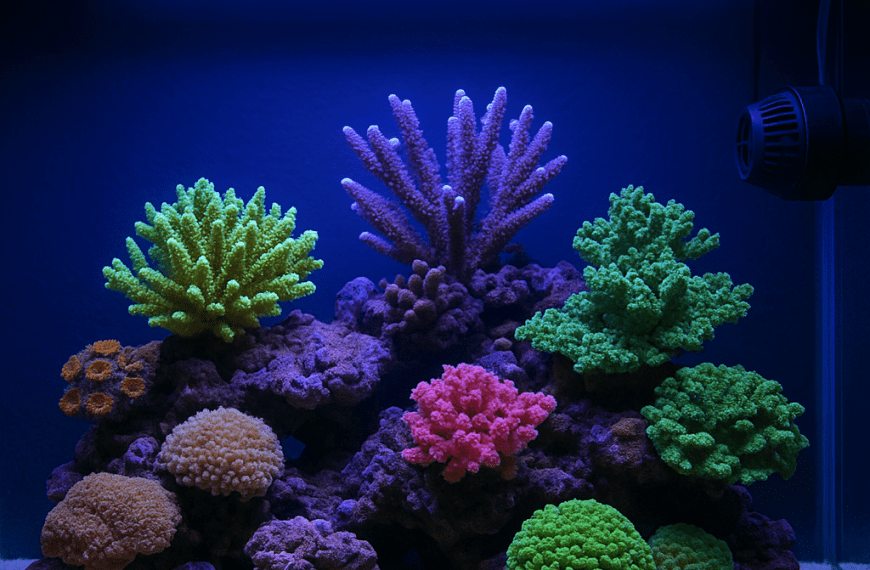
Build rockwork with grazing lanes and caves. Leave open sand and a clear front path. Avoid sharp rock edges near swim lanes. A startled tang can scrape its flank and invite infection.
Acclimate slowly and dim lights on arrival. Use drip acclimation for 30–45 minutes. Match salinity within 0.001 if possible. Then offer nori within a few hours. For more stability tips, see our reef tank water parameters checklist.
- Weekly routine: 10–15% water change and glass cleaning
- Testing cadence: alkalinity twice weekly, nitrate weekly
- Flow check: watch for detritus piles and adjust pumps
Feeding, growth management, and common problems
Feed juveniles often to reduce aggression and weight loss. Offer nori or seaweed sheets daily. Clip it near their favorite swim path. Replace uneaten nori after 4–6 hours to limit nutrient spikes.
Add meaty foods for growth and immune support. Feed frozen mysis or brine enriched with spirulina once daily. Add a high-quality pellet as a second feeding. Aim for two to three small feedings per day. Soak foods in vitamins two times per week.
Watch for head and lateral line erosion. HLLE often links to stress and poor nutrition. Improve diet variety and reduce stray voltage. Run fresh activated carbon in a bag, not a reactor. Rinse it well to reduce dust.
Ich and velvet are the big risks with tangs. Rapid breathing and flashing are early clues. If symptoms appear, move the fish to quarantine fast. Use proven treatment methods and strict fallow periods. Our marine ich treatment article covers timelines and options.
- Example feeding day: nori morning, pellets noon, mysis evening
- Red flags: pinched belly, clamped fins, pale color, heavy breathing
- Common mistake: buying a 3-inch juvenile for a 75-gallon tank
Juvenile Orange Shoulder tangs can be fantastic show fish with the right plan. Give them room, flow, and steady water quality. Start with quarantine and a strong feeding routine, and you will avoid most setbacks.
Sources: FishBase (Acanthurus olivaceus species profile); Scott W. Michael, Marine Fishes; Humblefish disease management articles (ich and velvet best practices).
 By
By