Kalkwasser is a simple way to add calcium and alkalinity. It also helps steady pH in reef tanks. Used well, it supports strong coral growth and coralline algae.
What kalkwasser does and when it helps
Kalkwasser is calcium hydroxide mixed with fresh RODI water. It makes a clear, high-pH solution. That solution adds calcium and alkalinity in a fixed ratio.
It works best when your tank uses moderate daily demand. Many mixed reefs fit this profile. SPS-heavy systems may outgrow kalk alone.
Most reef keepers use it as top-off water. This matches dosing to evaporation. It also spreads dosing over many hours.
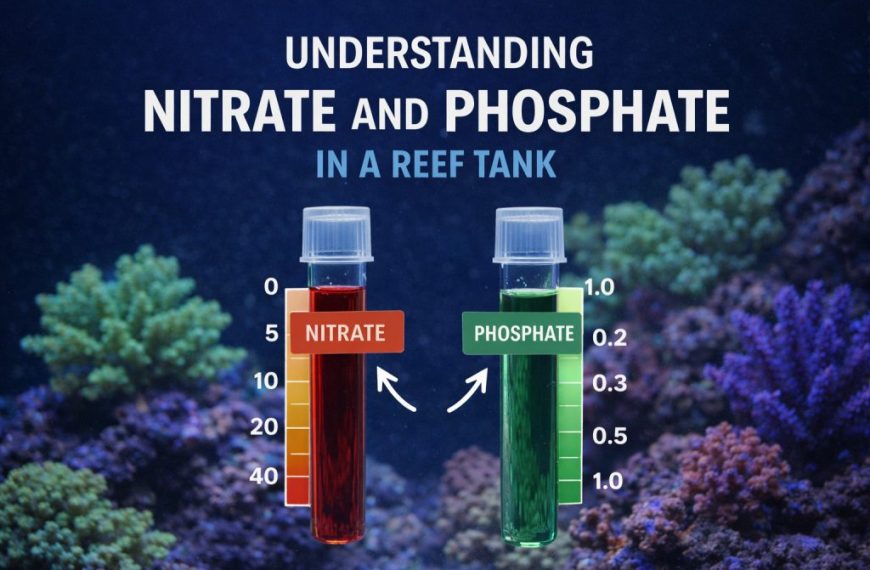
Target stable parameters before you start. Aim for calcium 400–450 ppm. Keep alkalinity 7–9 dKH. Hold magnesium 1250–1400 ppm for stability.
- Use kalk when pH runs low, like 7.8–8.1 during the day.
- Use kalk when calcium and alkalinity drift down between water changes.
- Skip kalk if alkalinity already climbs without dosing.
If you are new to dosing, start with testing basics. Review reef tank water parameters first. It prevents guesswork and sudden swings.
How to mix and dose kalkwasser safely
Mix kalk in a sealed container with RODI water. Use 1 teaspoon per gallon to start. For saturated kalk, use about 2 teaspoons per gallon.
Stir for 10–20 seconds, then stop. Let it settle for at least 30–60 minutes. Dose only the clear liquid from the top.
Never dump kalk in quickly. Fast dosing can spike pH above 8.5. It can also cause calcium carbonate snow.
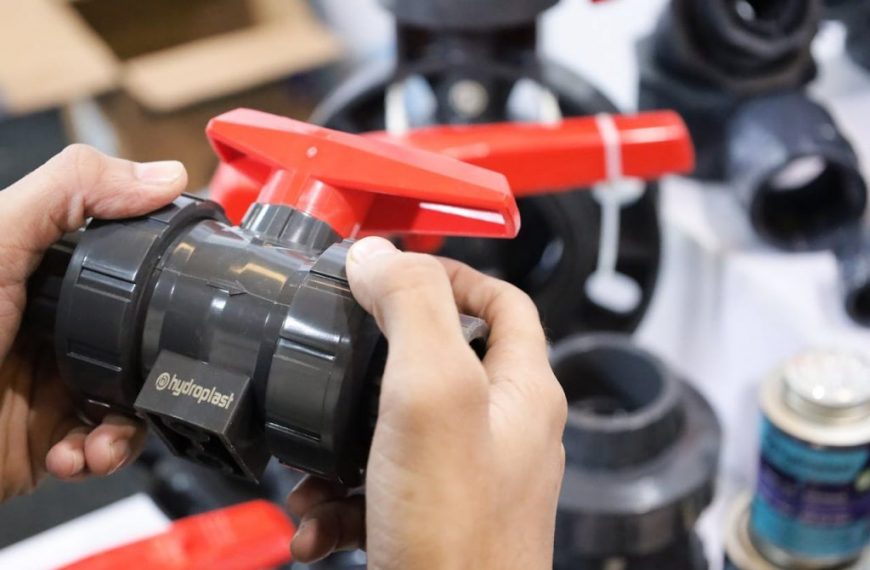
An ATO is the safest delivery method. Use a slow pump and small doses. If possible, drip into a high-flow sump section.
- Start at 25–50% of your top-off volume as kalkwasser.
- Increase weekly if alkalinity still drops more than 0.3 dKH per day.
- Test alkalinity daily for the first 7 days.
Watch pH during the first few nights. Night dosing often helps the most. Photosynthesis stops at night, so pH tends to fall.
If you need more control, consider a kalk reactor. It keeps solution saturated and consistent. Pair it with guidance from auto top-off systems to avoid overfilling risks.
Troubleshooting and common kalkwasser mistakes
A white haze after dosing is a common warning sign. It often means pH rose too fast. It can also mean you dosed the slurry, not the clear liquid.
If alkalinity rises but calcium stays flat, check your test kits. Also check magnesium. Low magnesium can cause unstable readings and precipitation.
Crusty deposits in pumps and heaters are normal with kalk. They form faster at high pH zones. Clean equipment monthly with vinegar and a soft brush.
Evaporation limits how much kalk you can add. A covered tank may not evaporate enough. In that case, use kalk for part of demand and add a two-part.
- If pH exceeds 8.5, stop dosing and add fresh air to the room.
- If alkalinity climbs above 10 dKH, reduce kalk concentration by half.
- If you see burned tips on SPS, check for rapid alkalinity change.
Keep kalk powder dry and sealed. Moisture weakens it over time. Store it away from kids and pets.
For long-term success, log results. Track daily alkalinity use in dKH. Use that number to tune your dosing plan. See reef tank maintenance schedule for a simple routine.
Sources: Randy Holmes-Farley, “Kalkwasser in the Reef Aquarium”; Craig Bingman, articles on calcium and alkalinity chemistry; Delbeek & Sprung, The Reef Aquarium (chemistry chapters).
 By
By