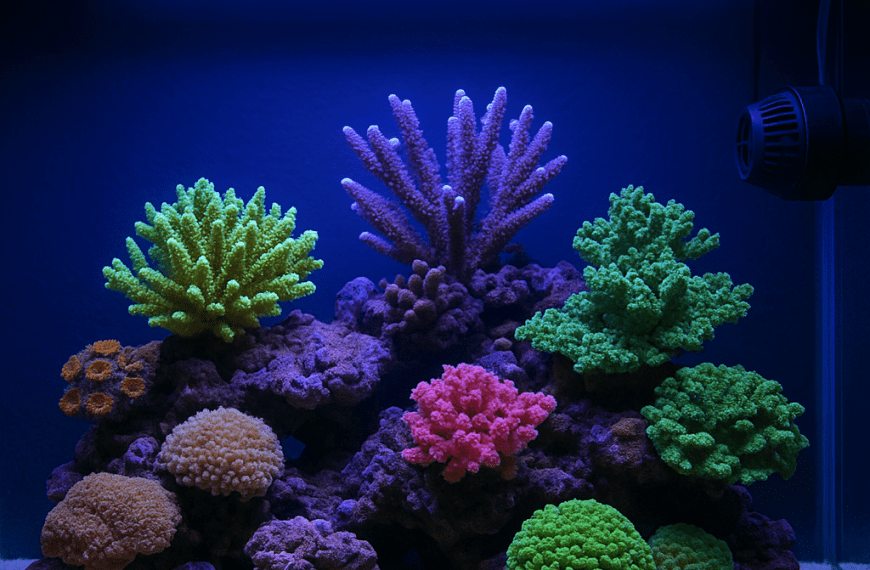
Live rock cycling forms the foundation of every successful saltwater aquarium. This biological process establishes beneficial bacteria that convert toxic waste into safer compounds. Understanding proper cycling techniques ensures your marine life thrives from day one.
Understanding the Nitrogen Cycle Process
The nitrogen cycle converts deadly ammonia into less harmful nitrates through bacterial colonization. Ammonia-oxidizing bacteria first convert ammonia to nitrites. Then nitrite-oxidizing bacteria transform nitrites into nitrates. This process typically takes 4-8 weeks to complete fully.
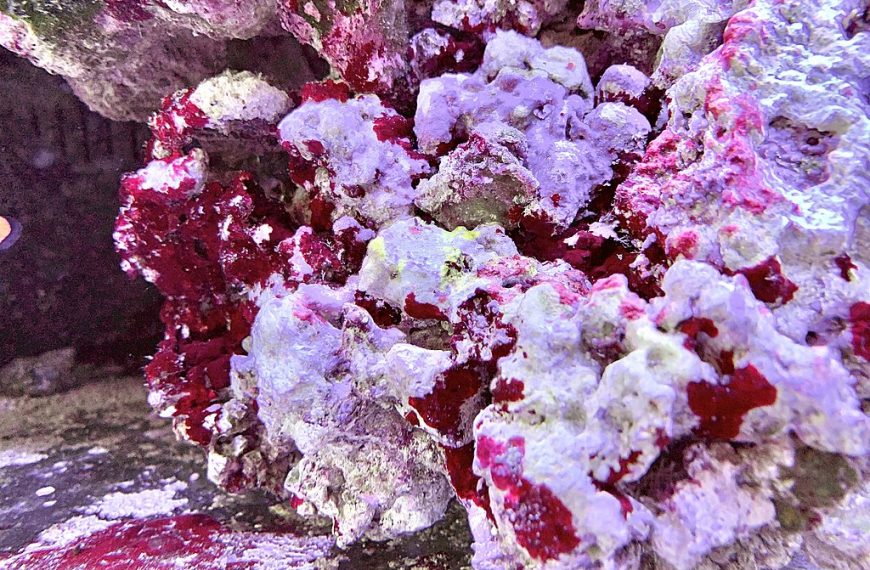
Live rock provides the perfect surface area for bacterial growth. Porous rock structure offers millions of microscopic spaces for colonization. These bacteria require oxygen to function properly. Adequate water flow ensures they receive necessary nutrients and oxygen.
Temperature affects bacterial reproduction rates significantly. Maintain water temperature between 78-82°F for optimal cycling speed. Higher temperatures accelerate the process but may stress sensitive organisms. Lower temperatures slow bacterial growth and extend cycling time.
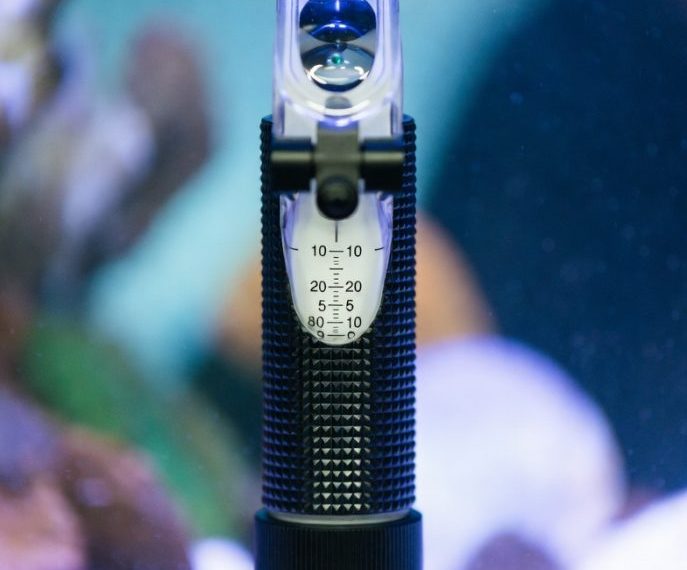
Salinity must remain stable throughout the cycling period. Keep specific gravity between 1.024-1.026 for marine bacteria. Fluctuating salinity levels can kill beneficial bacteria colonies. Use a reliable refractometer to monitor salinity daily during cycling.
Essential Equipment and Setup Requirements
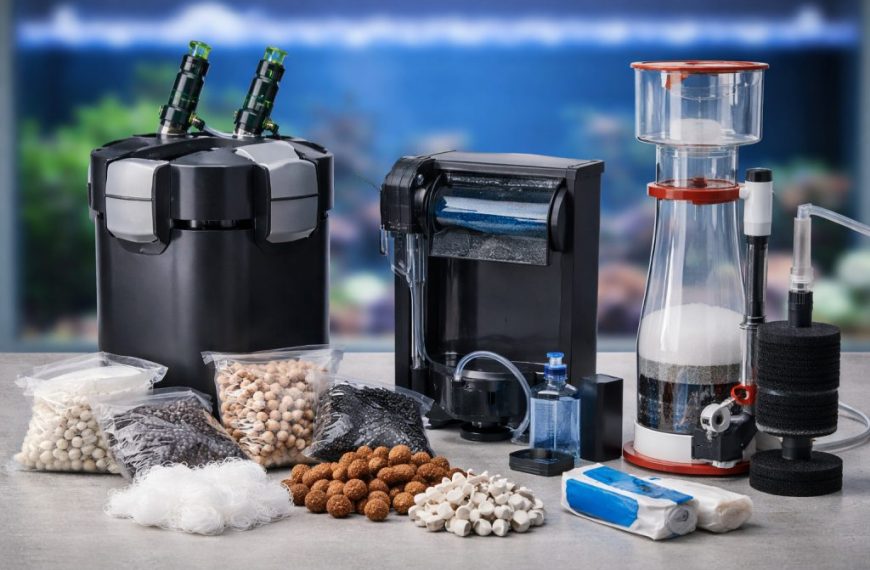
Quality live rock serves as your biological foundation. Purchase 1-2 pounds of live rock per gallon of tank capacity. Choose rock with varied shapes and sizes for maximum surface area. Avoid rock with strong sulfur odors or excessive die-off.
Protein skimmers remove organic waste before bacterial breakdown begins. Size your skimmer appropriately for your tank volume. Run the skimmer continuously during cycling to maintain water quality. Clean collection cups every 2-3 days during active cycling.
Powerheads create essential water movement throughout your aquarium. Position pumps to eliminate dead spots behind rock formations. Aim for 10-20 times tank volume turnover per hour. Strong flow prevents debris accumulation and delivers nutrients to bacteria.
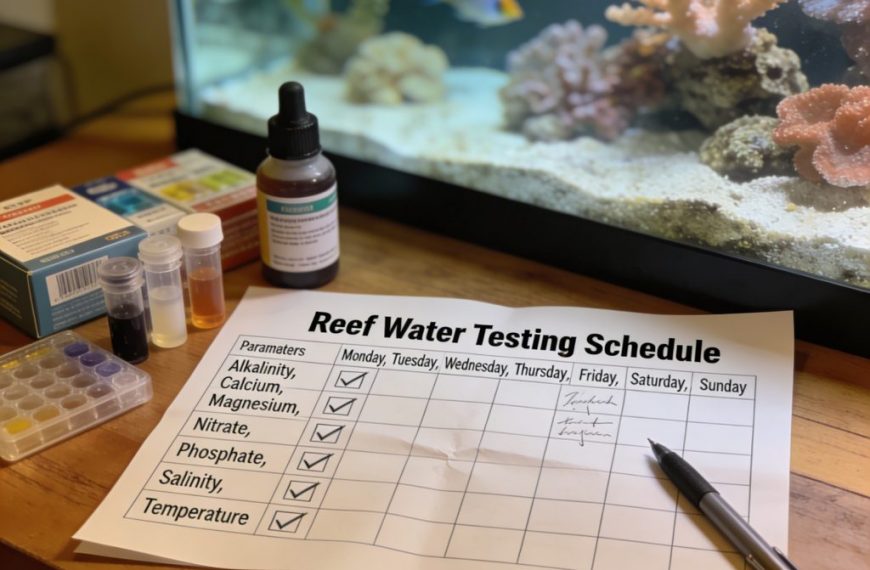
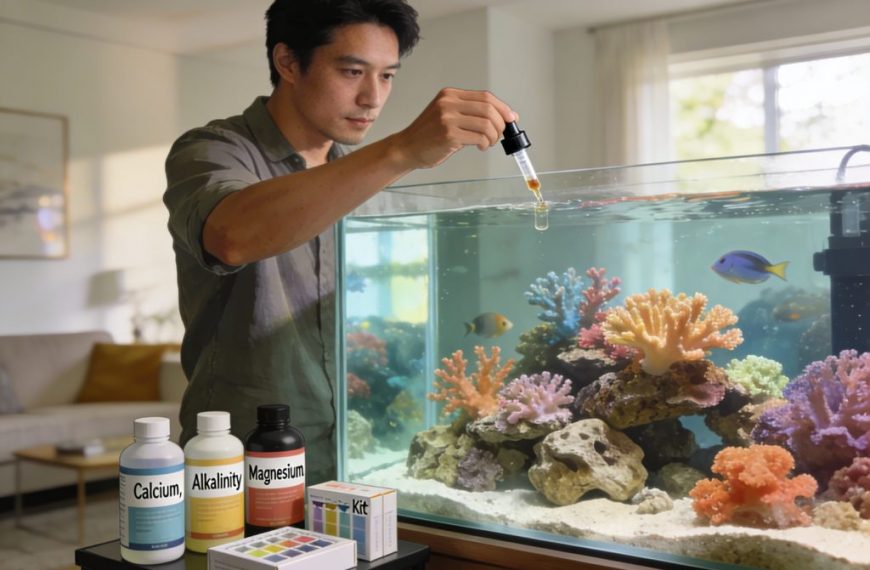
Test kits monitor cycling progress through chemical measurements. Purchase reliable kits for ammonia, nitrite, and nitrate testing. API and Salifert offer accurate test kits for marine aquariums. Test water parameters every 2-3 days during active cycling.
- Maintain temperature at 78-82°F consistently
- Test water parameters every 48-72 hours
- Clean protein skimmer cups regularly
- Never add fish during ammonia or nitrite spikes
Monitoring and Troubleshooting Common Issues
Ammonia levels spike first, typically reaching 2-4 ppm within days. This indicates organic matter decomposition has begun successfully. Ammonia should drop to zero within 2-3 weeks of cycling. Persistent ammonia suggests insufficient bacterial colonization or overloading.
Nitrite levels peak after ammonia begins dropping significantly. Nitrites often reach higher concentrations than initial ammonia levels. This secondary spike indicates the first bacterial colony has established. Nitrites should fall to zero before adding any livestock.
Nitrate accumulation signals successful cycle completion in most cases. Final nitrate levels typically range from 10-40 ppm after cycling. Perform water changes to reduce nitrates below 20 ppm. High nitrates can stress sensitive fish and invertebrates.
Extended cycling periods may indicate inadequate conditions for bacterial growth. Check water temperature, salinity, and pH levels for stability. Insufficient flow or lighting can also slow bacterial establishment. Consider adding bacterial supplements if cycling stalls completely.
- Week 1-2: Ammonia rises, peaks, then begins falling
- Week 2-4: Nitrites spike and gradually decrease
- Week 4-6: Nitrates accumulate while ammonia/nitrites reach zero
Proper live rock cycling creates a stable biological foundation for your saltwater aquarium. Patient monitoring and consistent conditions ensure successful bacterial establishment. Your marine life will thank you for taking time to cycle properly. Start planning your first fish selection once cycling completes successfully.
 By
By