Choosing between live rock and dry rock shapes how your reef tank starts, looks, and matures. Live rock offers instant biodiversity and faster biological stability. Dry rock costs less, stays pest-free, and gives you more control. The best choice depends on your budget, patience, and tolerance for risk.
Many reef keepers ask the same question early on. Should you start with live rock or dry rock? Both can build a successful reef aquarium. Both also come with tradeoffs. In this guide, you will learn how each option affects cycling, biodiversity, pests, cost, coral growth, and long-term maintenance. I will also cover hybrid approaches, so you can choose the best rock for your goals. If you want a clean, practical answer, this article will help you avoid expensive mistakes.
Quick Reference Table
| Factor | Live Rock | Dry Rock |
|---|---|---|
| Startup speed | Usually faster | Usually slower |
| Beneficial bacteria | Already present | Must colonize over time |
| Biodiversity | High | Low at first |
| Pest risk | Moderate to high | Very low initially |
| Cost | Usually higher | Usually lower |
| Control over aquascape | Moderate | High |
| Possible uglies phase | Often milder | Often stronger |
| Best for | Natural starts and faster maturity | Budget builds and pest-averse hobbyists |
What Is Live Rock?
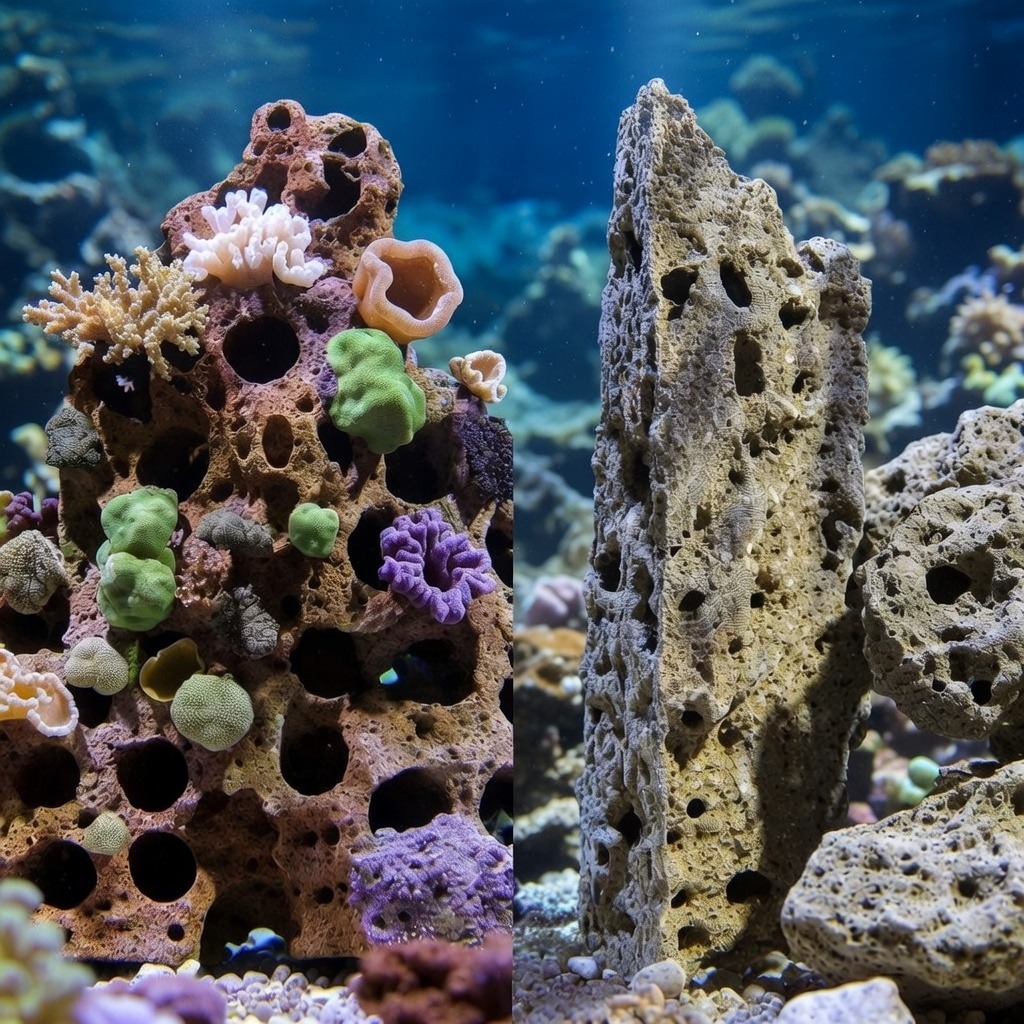
Live rock is porous reef rock covered with beneficial bacteria and tiny life forms. It may contain coralline algae, copepods, amphipods, worms, sponges, and other hitchhikers. In the hobby, the term often means rock that is biologically active. It does not always mean rock collected directly from the ocean. Much of today’s live rock is aquacultured or seeded in marine systems.
The biggest advantage is biological maturity. Live rock can process ammonia sooner than sterile rock. It also introduces the microfauna that support a healthier reef ecosystem. Fish and corals often benefit from this added life. Tanks started with quality live rock can feel more stable early on.
The downside is unpredictability. Good hitchhikers can arrive with bad ones. Aiptasia, majano anemones, nuisance algae, mantis shrimp, and pest crabs can all hitch a ride. That risk makes inspection and quarantine important. Premium live rock can also cost much more than dry rock.
What Is Dry Rock?
Dry rock is reef-safe rock sold without active marine life on it. It is usually mined ancient reef material or man-made rock. It starts clean and lightweight. It also gives hobbyists more freedom to design arches, shelves, and caves before adding water.
The main appeal is control. Dry rock lets you avoid most hitchhiker pests at the start. It is also easier to glue, drill, and shape into stable structures. For larger aquariums, the lower price matters a lot. Many reef keepers can build bigger aquascapes for less money.
However, dry rock starts biologically empty. It needs time to colonize with nitrifying bacteria and beneficial microfauna. This often leads to a slower, less diverse start. Some tanks with only dry rock experience stronger ugly stages. Diatoms, dinoflagellates, and nuisance algae can become more common in immature systems with limited biodiversity.
Natural Habitat and Why Rock Matters
On natural coral reefs, rock is more than decoration. It acts as the foundation of the ecosystem. Bacteria coat every surface. Tiny crustaceans hide in crevices. Sponges filter water in shaded areas. Algae and coralline grow where light and nutrients allow. Fish graze, shelter, and sleep around this structure.
In your reef tank, rock serves the same core functions. It provides surface area for nitrifying bacteria. It creates shelter for fish and invertebrates. It also gives corals a place to attach and grow. Porous rock supports more internal and external microbial life than dense decorative stone.
This is why the live rock versus dry rock choice matters so much. You are not only choosing a look. You are choosing how your reef ecosystem begins. A richer biological start often means fewer swings. A sterile start offers more control, but it asks for patience and careful nutrient management.
Aquarium Setup: Tank Size, Aquascaping, and Structure
Both live rock and dry rock work in nano tanks and large reefs. The better option depends on your setup style. In small tanks, live rock can help establish biological stability faster. That can be useful because small systems swing quickly. In larger tanks, dry rock often saves a lot of money and allows more creative aquascaping.
When building your structure, focus on stability first. Keep rock off the glass where possible. Create open channels for water movement. Leave room for coral growth. Avoid solid walls of rock. Fish need caves and swim-throughs. Corals need space between colonies.
Dry rock is easier to build with outside the tank. You can use reef-safe mortar, super glue gel, or acrylic rods. Live rock is trickier because you want to preserve life on the surface. If you buy live rock, cure or observe it before final placement whenever possible. Stable structures prevent collapses and reduce stress on fish and corals.
Cycling and Biological Maturity
This is where live rock usually wins. Quality live rock often shortens the cycle because it already contains nitrifying bacteria. In some cases, a tank started with cured live rock and a light bioload can stabilize quickly. You still need to test ammonia and nitrite. Never assume the cycle is complete without data.
Dry rock requires more deliberate cycling. You will need an ammonia source and bottled bacteria, or another seeding method. The process works well, but it takes time. More importantly, bacterial colonization is only part of maturity. A reef tank also needs microfauna and microbial diversity. Those develop slowly in sterile systems.
This is why many dry rock tanks look fine during the cycle, then struggle later. The tank may process ammonia, yet still lack ecological balance. That gap can show up as algae blooms or dinoflagellates. Patience, feeding the biome lightly, and adding biodiversity sources can help close that gap.
Lighting Requirements and Rock Choice
Rock itself does not need reef lighting. Corals and photosynthetic organisms do. Still, your rock choice affects how the tank responds to light. Live rock often comes with coralline algae and other light-sensitive life. Strong light too early can fuel nuisance algae if nutrients are available. Weak light can cause desirable hitchhikers to fade.
Dry rock under bright new-tank lighting often grows ugly algae fast. The rock has no established competitors yet. That is why many hobbyists start with moderate light intensity and shorter photoperiods. Then they ramp up as the tank matures and corals are added.
If your goal is fast coralline coverage, stable calcium, alkalinity, and magnesium matter more than the rock type alone. Live rock may seed coralline faster. Dry rock can catch up with time if parameters stay stable and a coralline source is introduced. Good husbandry matters more than marketing claims.
Water Flow and Detritus Management
Water flow matters with both rock types. Porous rock traps less visible waste than dense, flat layouts, but every aquascape collects detritus somewhere. Dead spots lead to nutrient buildup. That can feed cyanobacteria, hair algae, and other nuisance growth.
Use flow to keep debris suspended long enough for mechanical filtration to remove it. Aim pumps so water moves behind and through the rockwork. Watch where food settles during feeding. That reveals weak flow zones. In mixed reefs, random turbulent flow usually works better than a constant narrow blast.
Live rock with sponges and filter feeders benefits from stable, oxygen-rich water movement. Dry rock systems also need good flow because new surfaces can become algae magnets if waste accumulates. During maintenance, use a turkey baster or powerhead to blow detritus from the rock. This simple step prevents many nutrient issues.
Feeding, Nutrients, and the Ugly Stage
Feeding affects rock performance more than many beginners realize. New tanks with dry rock often run too clean at first, then become unstable. Hobbyists may overreact to algae and strip nutrients too hard. That can favor dinoflagellates. Low biodiversity plus ultra-low nutrients is a common problem.
Live rock systems usually handle light feeding better early on. The added microfauna and microbial diversity help process waste. That does not mean you should overfeed. It means the tank often has more biological tools from day one.
With dry rock, feed lightly but consistently once livestock is present. Test nitrate and phosphate. Do not chase zeros. Most reef tanks perform better with measurable nutrients. If you start with sterile rock, consider adding copepods, live sand from a trusted source, or a small piece of pest-free live rock to boost biodiversity.
Compatibility With Fish, Corals, and Invertebrates
Both rock types are compatible with reef fish, corals, and cleanup crews. The difference is how quickly the tank becomes a supportive habitat. Live rock often provides pods and grazing films that benefit mandarins, wrasses, and picky feeders. It also creates a more natural foraging environment for many fish.
Corals can thrive on dry rock too. In fact, many coral collectors prefer it because they know exactly what enters the system. There is less chance of hidden pests near the base of future colonies. Dry rock also makes it easier to plan coral placement by growth form and aggression.
For invertebrates, maturity matters. Shrimp, snails, and hermits do well in either setup once the tank is stable. Sensitive species prefer established systems. If you plan to keep pod-dependent fish or finicky corals, a biologically richer start can help. Otherwise, dry rock remains a strong option with patient stocking and good maintenance.
Step-by-Step: How to Choose the Right Rock for Your Reef
- Set your budget first. Live rock costs more in most markets.
- Decide your pest tolerance. If you hate surprises, favor dry rock.
- Think about timeline. If you want faster maturity, live rock helps.
- Plan your aquascape. Complex structures are easier with dry rock.
- Consider livestock goals. Pod-dependent fish benefit from richer biodiversity.
- Assess your patience level. Dry rock rewards slow, steady reef keeping.
- Choose a hybrid method if you want balance. Many hobbyists do best this way.
A hybrid approach often gives the best of both worlds. Use mostly dry rock for structure and cost savings. Then add a small amount of trusted live rock or live rubble to seed the system. This can improve biodiversity while limiting pest risk and expense. For many modern reef tanks, that is the smartest middle ground.
Common Problems
Why is my dry rock tank covered in brown algae?
This is often a diatom bloom. It is common in new tanks. Silicates, fresh surfaces, and immature biology all contribute. Keep up with water changes, use quality source water, and avoid overreacting. Diatoms usually fade as the tank matures.
Why did pests appear after adding live rock?
Live rock can carry hitchhikers. Inspect new rock closely before use. Dip is not always enough for rock. Manual removal, trapping, and quarantine are better tools. If pests are severe, remove the affected rock and treat outside the display.
Why does my dry rock stay white for months?
Coralline growth needs time, stable parameters, and a seed source. Maintain alkalinity, calcium, and magnesium. Avoid major swings. Add coralline scrapings or a trusted coralline source if desired. White rock alone is not a sign of failure.
Can live rock cause ammonia spikes?
Yes, especially if it is uncured or shipped poorly. Die-off during transport can be significant. Cure questionable rock in a separate container. Test ammonia often. Good circulation, heat, and protein skimming help during curing.
Propagation and Fragging Considerations
Mounting Coral Frags on Live Rock
Live rock often has uneven surfaces and existing life. That can make frag placement trickier. Use super glue gel or epoxy on a clean spot. Avoid smothering sponges or desirable organisms. Place aggressive corals with extra spacing.
Mounting Coral Frags on Dry Rock
Dry rock is easier to work with. You can drill frag holes and create shelves before the tank is filled. This helps coral collectors plan long-term growth. It also reduces future rescapes, which often stress livestock.
Frequently Asked Questions
Is live rock better than dry rock for reef tanks?
Not always. Live rock offers faster maturity and more biodiversity. Dry rock offers lower cost and fewer pests. The better choice depends on your goals.
Can you mix live rock and dry rock?
Yes. This is often the best strategy. Use dry rock for structure and add a small amount of trusted live rock for seeding.
How much live rock do I need to seed dry rock?
You do not need much. Even a small amount of high-quality, pest-free live rock or rubble can help seed bacteria and microfauna.
Does dry rock cause dinoflagellates?
Dry rock does not directly cause them. Sterile starts and low biodiversity can make dinos more likely if nutrients bottom out.
Should beginners start with live rock or dry rock?
Beginners can succeed with either. If you want simplicity and can inspect for pests, live rock helps. If you want control and lower cost, dry rock is excellent with patience.
Final Verdict
If you want the fastest path to a biologically rich reef, live rock is hard to beat. If you want a clean start, lower cost, and full aquascape control, dry rock is the better pick. For most hobbyists, a hybrid setup is ideal. It combines structure, savings, and biodiversity in one practical plan.
Whichever route you choose, success comes from patience and stability. Test your water. Avoid rushing livestock. Manage nutrients carefully. Build strong flow around the rockwork. Over time, both live rock and dry rock can support a beautiful reef tank.
Related reading: reef tank cycling guide, reef tank water parameters, best clean up crew for reef tank, how to get coralline algae, reef tank algae control.
Was this helpful?
Related Posts
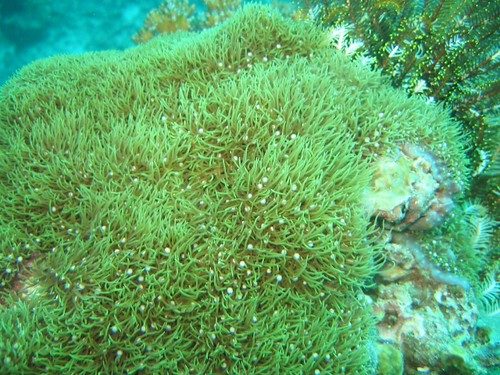
Green Star Polyps Care
Green star polyps are easy, fast-growing corals that love moderate light and flow. Learn how to keep them…
 By
By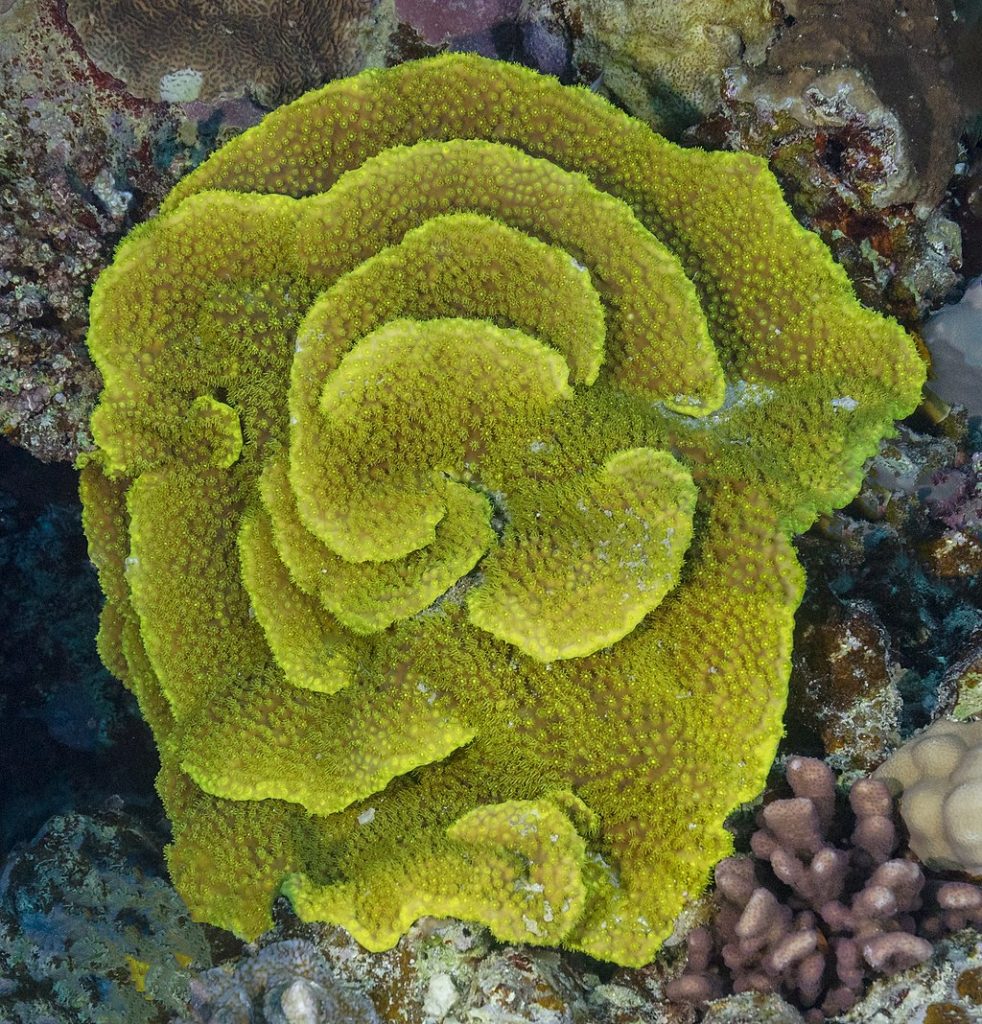
Scroll Corals Care
Scroll corals are hardy LPS corals that prefer moderate light, indirect flow, and stable water chemistry. Proper placement…