Nephthea Tree Corals Care Guide
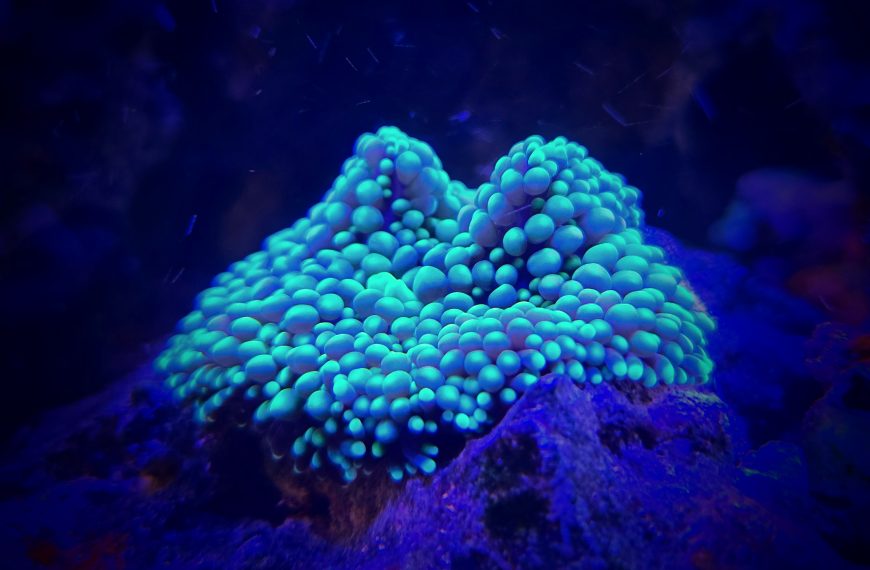
Nephthea tree corals are beautiful, branching soft corals. They sway gently in the current. Many hobbyists choose them as starter soft corals. They grow quickly under stable conditions.
Nephthea do best in mature reef tanks. Avoid brand new systems. Let your tank cycle fully first. Aim for at least three to six months of stability. This helps prevent sudden parameter swings.
For basic setup tips, see our beginner soft coral guide. It covers cycling and live rock choices.
Tank Conditions and Placement
Keep water parameters stable and consistent. Sudden changes stress Nephthea quickly.
- Temperature: 76–79°F
- Salinity: 1.024–1.026 specific gravity
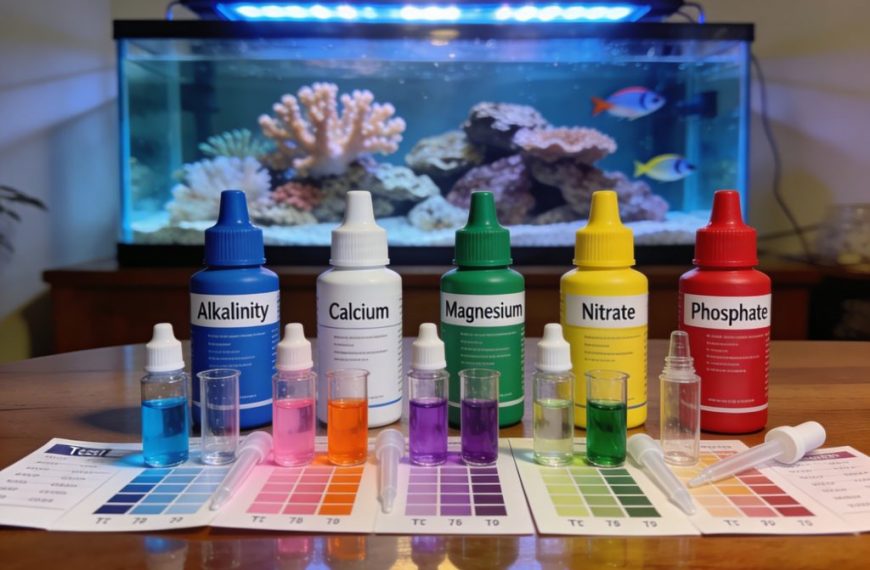
- Alkalinity: 8–9.5 dKH
- Calcium: 400–450 ppm
- Nitrates: 2–15 ppm
- Phosphates: 0.03–0.1 ppm
Nephthea like moderate, indirect light. They can bleach under very strong LEDs. Start them low in the tank. Move them up slowly over several weeks.
Provide moderate, random flow. Strong direct jets cause tissue damage. Aim for a gentle sway, not a harsh blast. Use wavemakers set to pulse or random modes.
Give each colony space to grow. Avoid direct contact with other soft corals. Nephthea can engage in chemical warfare. Run carbon to help reduce toxins.
Feeding, Growth, and Maintenance
Nephthea host symbiotic zooxanthellae. They get much energy from light. However, they also benefit from feeding. Target feed small particle foods occasionally.
- Use coral foods with tiny particles.
- Turn off pumps for 10–15 minutes while feeding.
- Do not overfeed. Watch nutrients closely.
Healthy Nephthea expand fully during the light cycle. They may droop or shrink at times. This can be normal shedding behavior. They often form a waxy coat, then slough it off.
If your Nephthea stays closed for days, test water immediately. Check salinity, alkalinity, and temperature first.
Perform regular water changes. Ten to fifteen percent weekly works well for many tanks. This helps export nutrients and dissolved organics. It also replaces trace elements.
Use high quality reef salt. Mix it fully and match temperature and salinity. Sudden mismatches can shock soft corals.
For more on stable parameters, review our reef tank water chemistry basics article.
Fragging and Long-Term Success
Nephthea frag easily once established. Wait until the colony is robust and growing. Use a clean, sharp blade or scissors. Cut small branches near the base.
Attach frags with toothpicks, rubber bands, or coral glue. Place them in low to moderate flow. Avoid direct blasting until they attach firmly.
Watch for pests like nudibranchs and flatworms. Dip new corals before adding them. Regularly inspect colonies for damage or bite marks.
If you want more soft coral options, read our best soft corals for beginners guide. It pairs well with Nephthea care.
With stable water, moderate light, and gentle flow, Nephthea can thrive. They reward you with fast growth and graceful motion. Be patient, observe closely, and adjust slowly.
Sources
- Borneman, E. H. 2001. Aquarium Corals. Microcosm Ltd.
- Sprung, J. 2009. Corals: A Quick Reference Guide. Ricordea Publishing.
- Advanced Aquarist Online Articles on Soft Coral Husbandry.
 By
By