
Few saltwater fish are as iconic—or as beginner friendly—as the Ocellaris Clownfish (Amphiprion ocellaris). With their bold orange, white, and black pattern and engaging personalities, these clowns are a top choice for reef keepers and fish-only systems alike. In this guide, we’ll cover care, tank mates, feeding, and hosting behavior so you can keep your Ocellaris thriving long term.
Ocellaris Clownfish Basics & Ideal Tank Setup
Ocellaris Clownfish stay relatively small, usually topping out around 3 inches, and can live 10–15 years with good care. They are hardy, peaceful, and adapt well to captive conditions, which makes them excellent first fish for a new marine aquarist.
Tank Size & Water Parameters
While a single Ocellaris can live in a smaller system, it’s wise to plan for a stable, mature reef environment. If you’re still cycling or planning your first marine tank, see our guide on setting up a saltwater aquarium for step-by-step help.
- Minimum tank size: 20 gallons for a pair (larger is better)
- Temperature: 76–80°F (24–27°C)
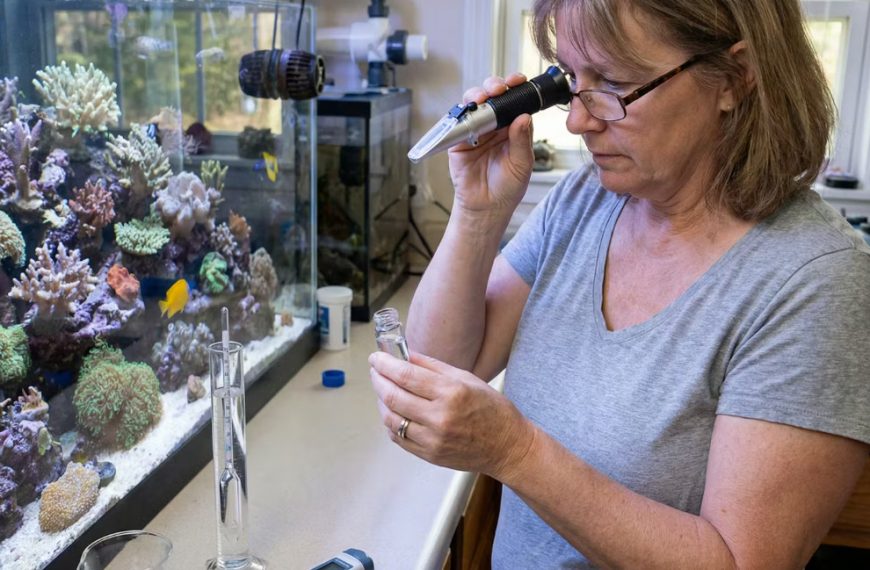
- Salinity: 1.024–1.026 specific gravity
- pH: 8.1–8.4
- Ammonia & nitrite: 0 ppm; nitrate: < 20 ppm
Practical tips:
- Use a tight-fitting lid—Ocellaris are not extreme jumpers, but any startled fish can leap.
- Provide moderate flow and plenty of rockwork so they can retreat if stressed.
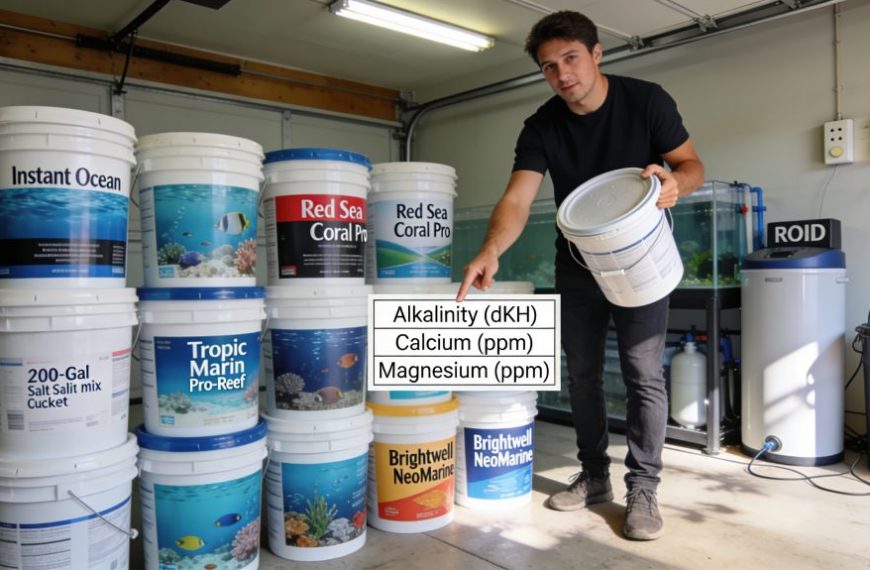
- Stable parameters matter more than chasing perfect numbers; avoid big, sudden changes.
Behavior, Tank Mates & Hosting
Ocellaris are social, active swimmers that typically stay in the upper and middle parts of the tank. They do best in pairs, and in captivity they will form their own hierarchy: one becomes female (larger, dominant) and the other remains male.
Choosing Tank Mates
These clowns are generally peaceful but can be territorial around their chosen “home.” They work well with many community reef fish. For more stocking ideas, check out our article on best beginner saltwater fish.
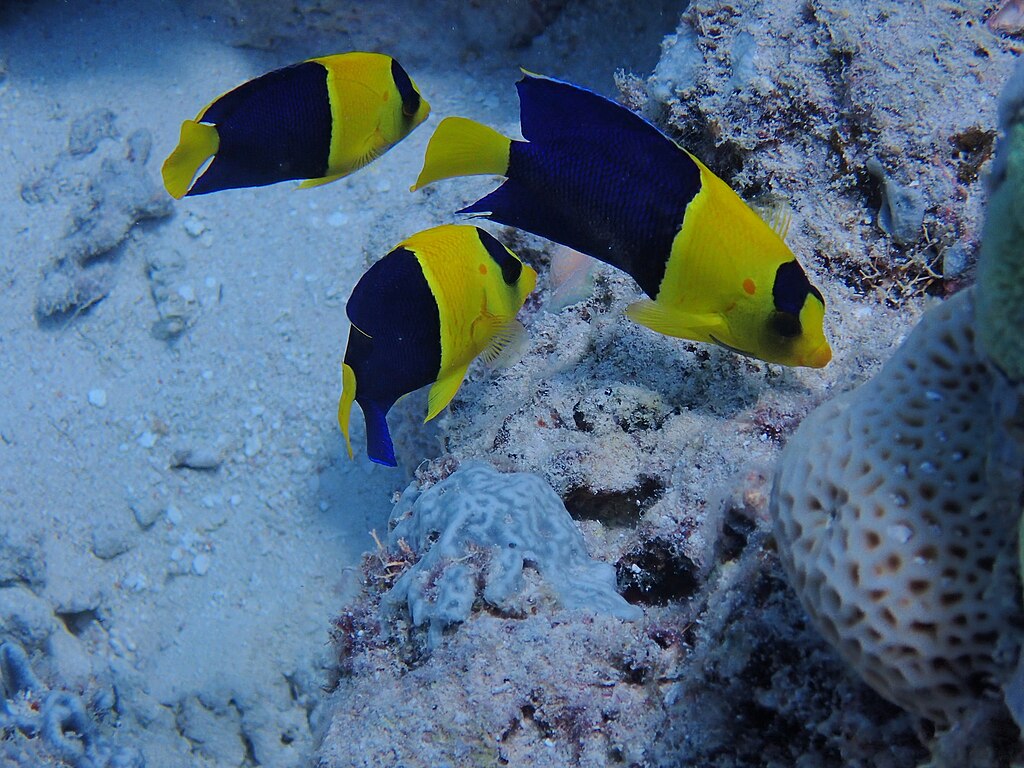
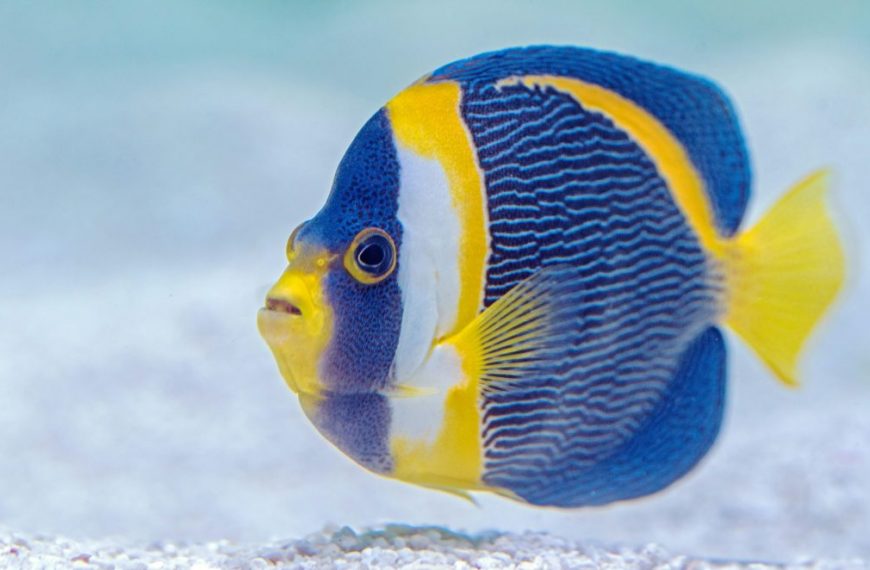
- Good companions: gobies, blennies, small wrasses, firefish, cardinalfish, and peaceful dwarf angelfish.
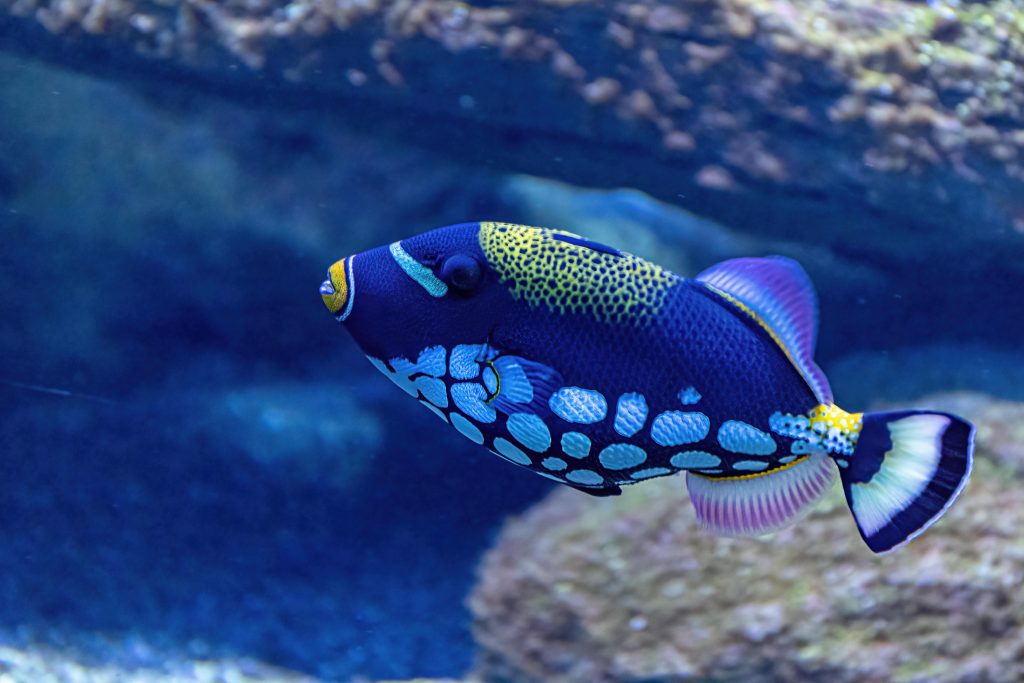
- Avoid: large aggressive damsels, triggerfish, and overly boisterous dottybacks in small tanks.
- Keep only one clownfish species per tank to reduce fighting.
Do Ocellaris Need an Anemone?
They do not need an anemone to be happy or healthy. Captive-bred Ocellaris often host in alternatives such as:
- Soft corals like toadstools and leathers
- LPS corals with long tentacles (euphyllia, for example)
- Even powerheads, corners, or rock crevices
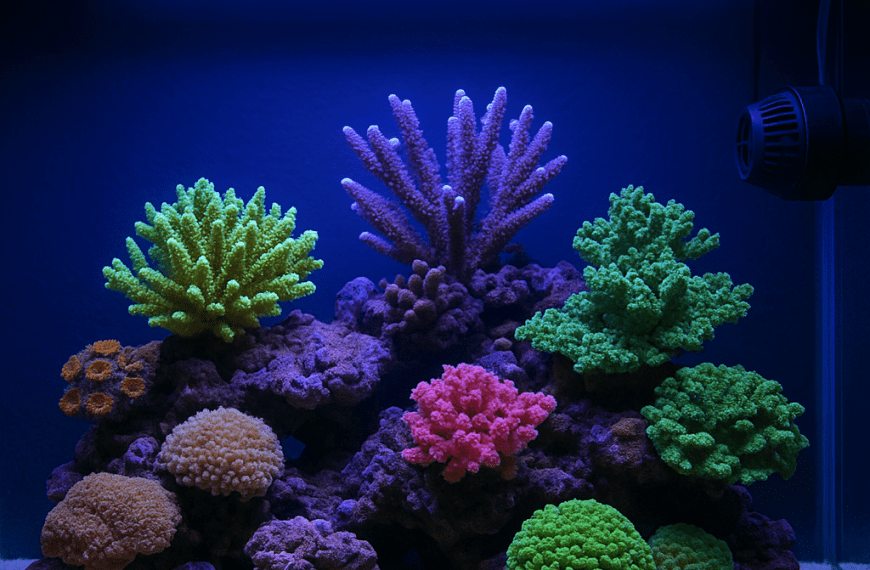
Tip: If you do keep anemones, wait until your tank is mature (6–12 months) and stable. Research lighting and flow needs carefully first—our reef lighting basics guide is a helpful starting point.
Feeding & Long-Term Care
Ocellaris Clownfish are eager eaters and accept a wide variety of foods. A varied diet keeps their colors bright and supports a strong immune system.
- High-quality marine pellets or flakes as a staple
- Frozen mysis shrimp, brine shrimp (enriched), and finely chopped seafood
- Occasional algae-based foods for extra nutrition
Feed small amounts 1–2 times per day, giving only what they can finish in a couple of minutes. Remove uneaten food to maintain water quality.
With proper nutrition, clean water, and a calm community, Ocellaris Clownfish reward you with years of lively behavior and personality. They’re a perfect bridge between beginner-friendly fish and the more advanced world of full reef keeping, making them a cornerstone species in many successful home aquariums.
Sources
- Wilkerson, J. (2003). Clownfishes. Microcosm Ltd.
- Michael, S. (2001). Marine Fishes: 500+ Essential-to-Know Aquarium Species. TFH Publications.
- FishBase: Amphiprion ocellaris species summary (accessed 2024).
 By
By
![[food] Seaweed Snacks](https://fancyreef.com/wp-content/uploads/49758399738-7b109775d3-b.jpg)