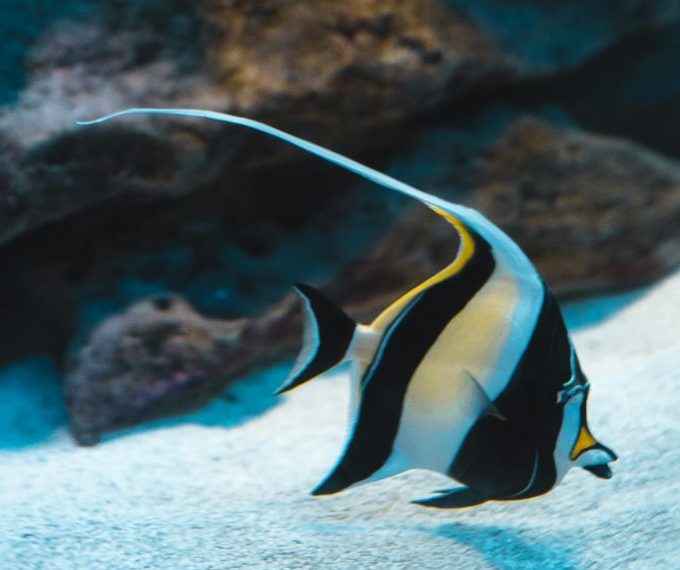
Moving a fish from quarantine to the display tank feels like graduation day. It is also the moment when mistakes can undo weeks of careful work. A clean, calm transfer protects your fish and your whole reef.
Know when quarantine is truly finished
Do not rush the timeline. Most hobbyists do best with a 30 to 45 day quarantine. Extend to 60 days for ich-prone systems. The goal is stable behavior and stable health.
Watch for normal feeding and steady breathing. Count gill beats if you are unsure. Many reef fish sit near 60 to 90 beats per minute at rest. Rapid breathing can signal ammonia, flukes, or velvet.
Confirm water quality is not masking symptoms. Keep ammonia at 0 ppm and nitrite at 0 ppm. Keep nitrate under 20 ppm for most fish. Match salinity to your display, often 1.025 to 1.026 specific gravity.
Finish medications before transfer. Copper needs time to clear and fish need time to recover. Run fresh carbon for 24 to 48 hours after copper. Do a 25% water change to reduce residues.
- Minimum observation after symptoms stop: 14 days
- Target temperature: 77 to 79°F with under 1°F swing daily
- Target pH: 8.0 to 8.3, matched to the display
If you need a refresher, review your quarantine tank setup. It helps you spot weak points before transfer day. Also check your fish quarantine timeline for common durations.
Match parameters and plan a low-stress move
Parameter mismatch causes more losses than the net. Measure both tanks the same day. Focus on salinity, temperature, and pH first. A 0.002 swing in specific gravity can still stress sensitive fish.
Use a transfer container, not a net alone. A clear specimen box or small bucket works well. Keep the fish submerged the whole time. This reduces slime coat damage and panic thrashing.
Acclimate based on the biggest difference. If salinity differs by 0.001 or less, a 10 to 15 minute temperature float can work. If salinity differs by 0.002 to 0.004, drip acclimate 30 to 45 minutes. Aim for 2 to 4 drops per second.
Never pour quarantine water into the display. Use a net or gloved hand to move the fish from the acclimation container. Discard the water after the move. Clean tools with hot water and air dry.
- Dim lights for 4 to 6 hours after release
- Feed lightly after 2 to 4 hours, not immediately
- Turn off strong pumps for 10 minutes during release
Reduce aggression and handle common problems
New fish often face territorial pressure. Rearrange one or two small rocks before release. This breaks established boundaries. Add the fish near a cave or overhang for quick shelter.
Use an acclimation box for bullies and delicate species. Keep the new fish boxed for 24 to 72 hours. Let the tank see it without contact. This works well for tangs, wrasses, and angelfish.
Watch the first hour closely. Heavy chasing, torn fins, or refusal to eat are red flags. If needed, remove the aggressor to a holding box. Another option is a mirror on the glass for 1 to 2 days.
Breathing issues after transfer often point to pH or oxygen swings. Increase surface agitation and check pH again. Test ammonia in the display, even if it is “cycled.” A dead snail can spike ammonia fast in small tanks.
- Keep a spare heater and air stone ready on transfer day
- Have a plan to catch the fish if aggression escalates
- Log behavior for three days to spot slow declines
For longer-term success, revisit your reef fish acclimation routine. Small changes in handling can cut stress a lot. Consistency matters more than fancy gear.
Quarantine to display transfer should feel boring and repeatable. Match parameters, keep the move wet, and keep quarantine water out. Then watch closely for three days. That approach protects your fish and your reef investment.
Sources: Humblefish disease management guides; Noga, “Fish Disease: Diagnosis and Treatment”; Michael, “Marine Fish Health & Feeding Handbook”
 By
By