Reef disease prevention starts before you buy a fish. Most outbreaks come from stress, unstable water, or skipped quarantine. A simple routine can stop problems early.
Build a prevention-first system
Stable parameters reduce disease pressure. Aim for salinity 1.025–1.026, temperature 77–79°F, and pH 8.1–8.4. Keep alkalinity 8–9 dKH, calcium 420–450 ppm, and magnesium 1300–1400 ppm.
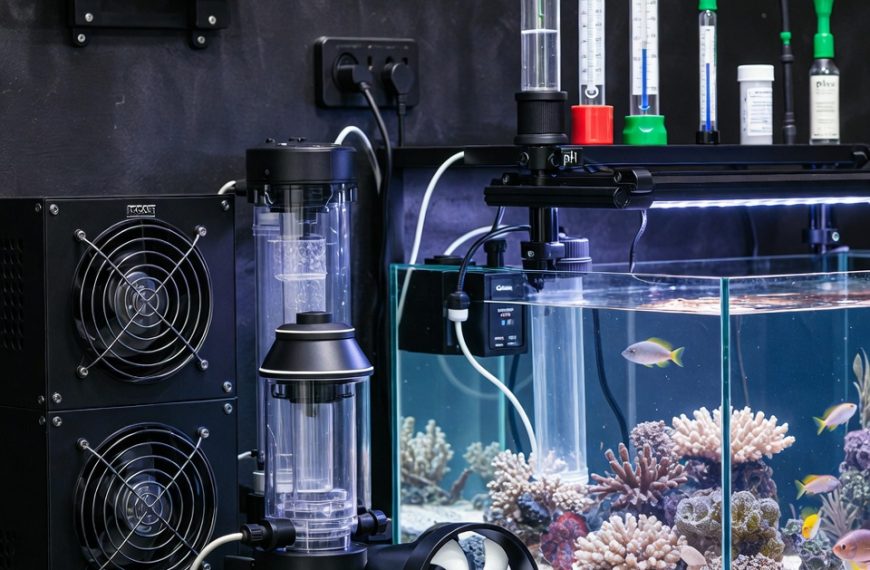
Use strong filtration and predictable maintenance. Change 10% weekly or 20% every two weeks. Replace carbon monthly if you run it. Clean the skimmer cup twice per week.
Stress is a hidden trigger for ich and bacterial issues. Provide hiding places and calm flow zones. Match fish to tank size and temperament. A cramped tang in a 55-gallon tank often breaks first.
Feed for immune function, not just fullness. Offer small meals two to three times daily. Mix pellets, frozen mysis, and algae sheets. Soak food in vitamins one to two times weekly.
- Keep nitrate 5–15 ppm and phosphate 0.03–0.10 ppm for reefs.
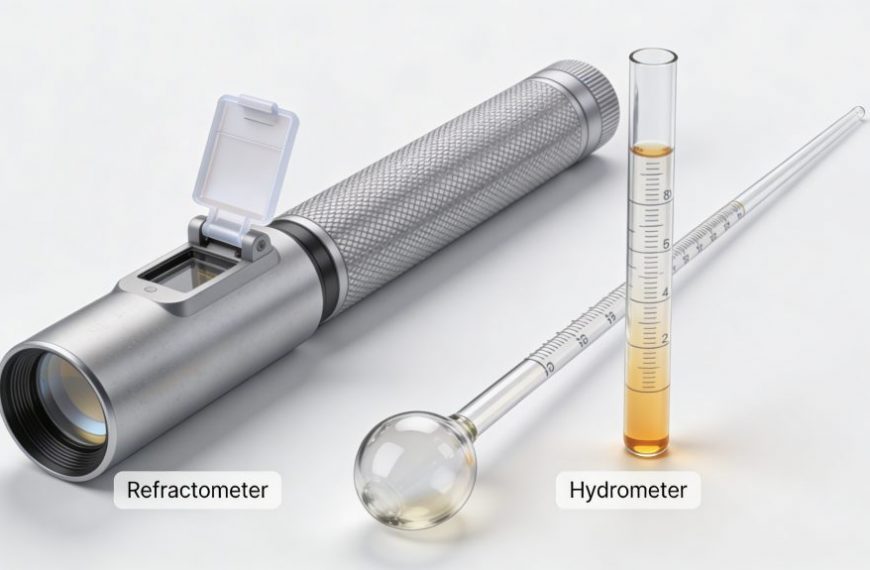
- Test salinity with a calibrated refractometer every week.
- Quarantine all fish, even “healthy” store picks.
For more on stability, review reef tank water parameters. If your nutrients swing, see nitrate and phosphate control.
Quarantine and observation that actually works
A fish-only quarantine tank prevents most reef disease events. Use a 10–20 gallon tank for small fish. Use 29–40 gallons for tangs and angels. Add a heater, sponge filter, lid, and PVC elbows.
Run quarantine for 30 days minimum. Observe eating, breathing rate, and skin condition daily. Keep ammonia at 0 ppm with seeded media and water changes. Test ammonia every day for week one.
Use a clear decision tree for treatment. If you see white spots and flashing, suspect ich. If you see dusting and fast breathing, suspect velvet. If fins rot or sores appear, suspect bacterial infection.
Never medicate the display reef with copper. Keep coral and inverts out of medicated tanks. If you need to treat, use a separate hospital tank. Track doses with a reliable test kit.
- Match quarantine salinity to the store water at arrival.
- Acclimate for temperature, then drip for 20–30 minutes.
- Offer food within 6 hours to confirm appetite.
If you need a step-by-step setup, read fish quarantine setup. It helps you avoid common first-week crashes.
Troubleshooting outbreaks and common mistakes
Most outbreaks start after a stress event. Common triggers include a heater failure, a new bully fish, or a missed top-off. A 0.003 salinity swing can stress sensitive species. Fix the cause first, then treat symptoms.
Watch for early warning signs. Rapid breathing, clamped fins, and hiding are big clues. Corals can also signal trouble. Closed polyps after a parameter swing often come before fish issues.
Do not “shotgun” treatments in a reef tank. Many cures harm bacteria, pods, and corals. Use targeted action instead. Increase aeration, verify temperature, and confirm ammonia is zero.
If disease hits the display, plan a structured response. Remove fish to a hospital tank for treatment. Leave the display fallow for 6–8 weeks for ich and velvet control. Keep feeding light and maintain normal filtration.
- Log daily: temperature, salinity, and fish behavior for two weeks.
- Quarantine new corals for pests and hitchhikers for 14 days.
- Use separate nets and tools for quarantine and display.
Sources: Humblefish disease protocols (summary), Reefkeeping Magazine disease management articles (summary), Fenner “The Conscientious Marine Aquarist” (general guidance).
Reef disease prevention is a system, not a product. Stable water, low stress, and strict quarantine do most of the work. Start small, stay consistent, and your reef will stay resilient.
 By
By