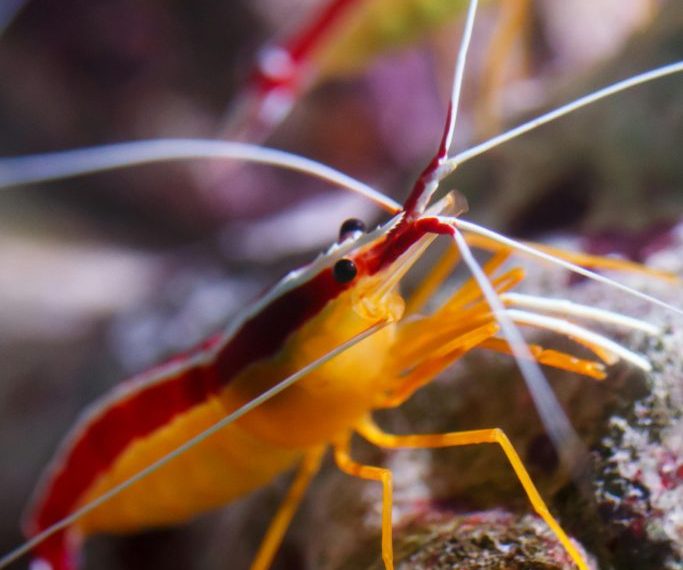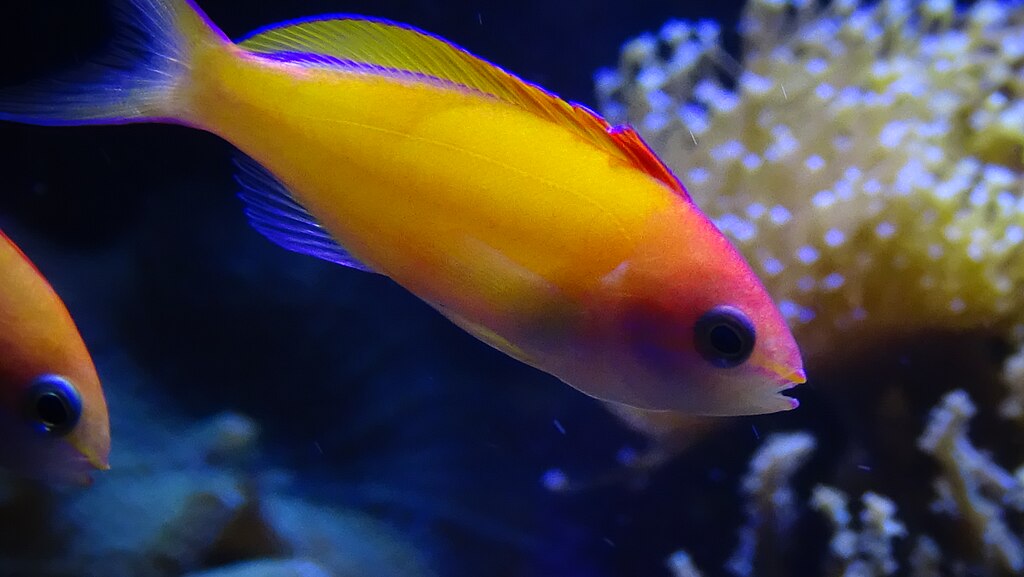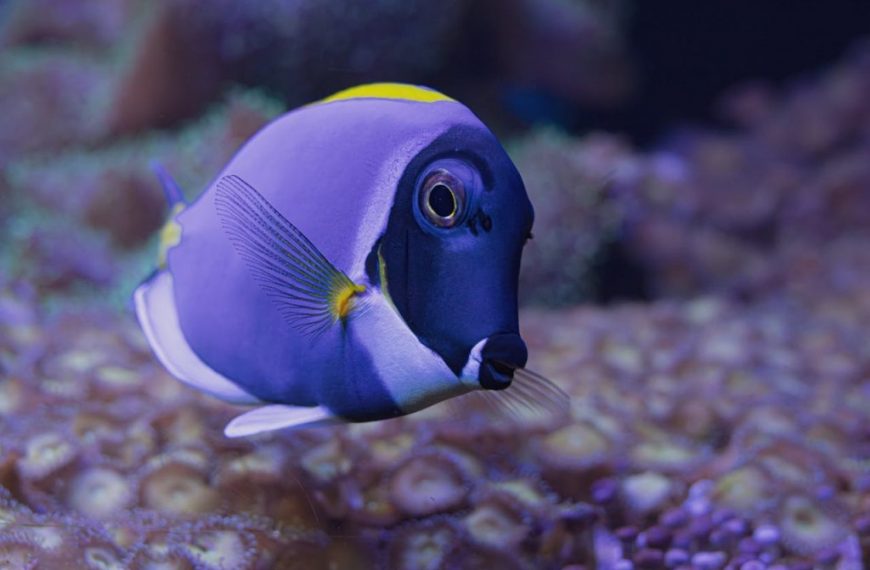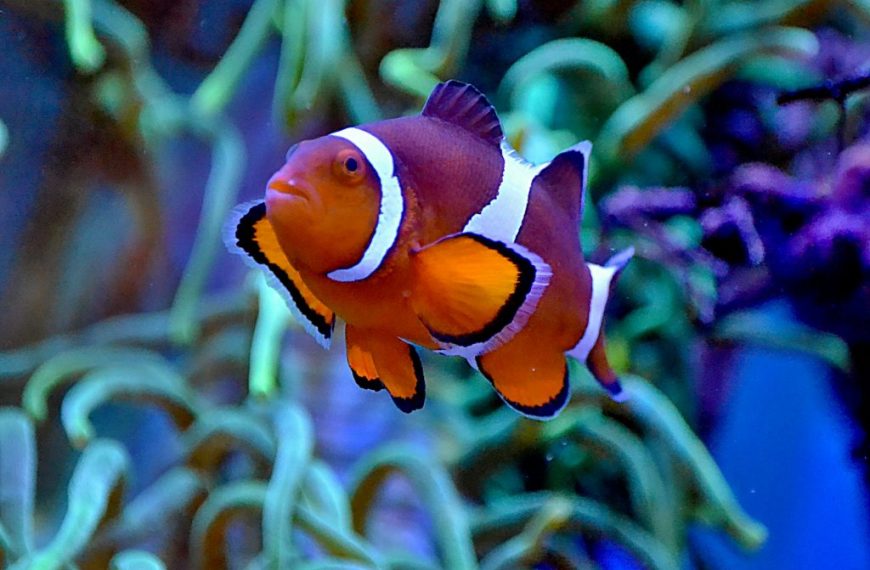
Reef tanks look simple from the outside. Water chemistry is what keeps them stable. Learn a few core numbers and you can prevent most crashes.
Section 1: The core parameters and target ranges
Start with salinity, temperature, and pH. Keep salinity at 1.025–1.026 specific gravity. That is about 35 ppt. Hold temperature at 77–79°F for most reefs. Aim for pH 8.0–8.3 with small daily swings.
Next are alkalinity, calcium, and magnesium. These control coral skeleton growth and stability. Target alkalinity at 7.5–9.0 dKH for mixed reefs. Keep calcium at 400–450 ppm. Keep magnesium at 1250–1400 ppm to support balance.
Nutrients matter as much as minerals. Keep nitrate around 2–15 ppm for most tanks. Keep phosphate around 0.03–0.10 ppm. Ultra-low nutrients can pale corals. High nutrients can fuel algae and slow growth.
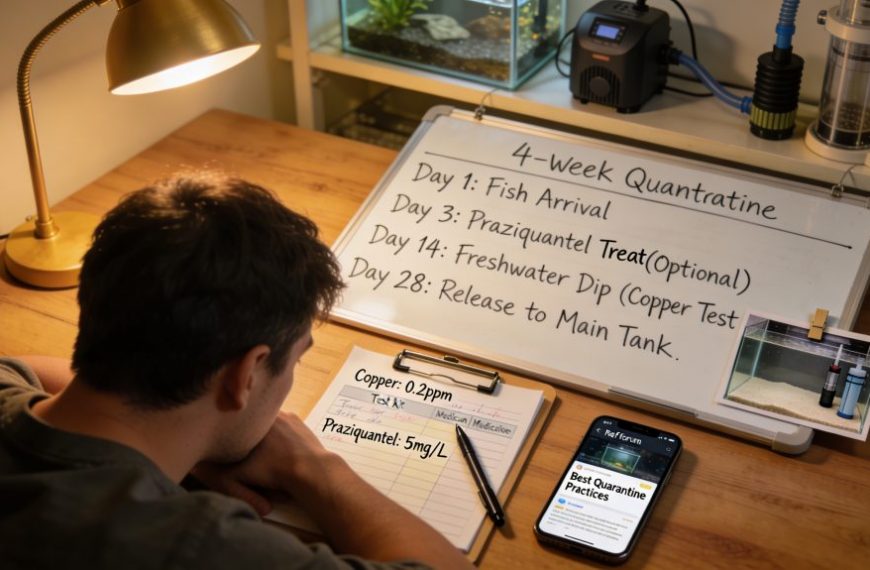
Use a refractometer with calibration fluid. Do not trust swing-arm hydrometers. Test alkalinity at least twice weekly at first. Test calcium and magnesium weekly. Track results in a log for trends. See reef tank testing guide for a simple schedule.
- Stable mixed reef targets: 1.026 SG, 78°F, pH 8.1, Alk 8.5 dKH, Ca 430 ppm, Mg 1350 ppm
- Soft coral targets: Alk 7.5–9 dKH, nitrate 5–20 ppm, phosphate 0.05–0.15 ppm
- SPS targets: keep swings tiny, and avoid rapid alkalinity changes
Section 2: Testing, dosing, and daily stability
Consistency beats chasing perfect numbers. Test at the same time each day. Alkalinity often drops fastest in growing tanks. A 0.5–1.5 dKH weekly drop is common. Large SPS systems can consume more.
Use water changes to reset trace elements. A 10% weekly change is a solid start. Match salinity and temperature within 0.001 SG and 1°F. Aerate new saltwater for 12–24 hours. This helps pH and mixing.
When consumption rises, move to dosing. Two-part dosing adds alkalinity and calcium. Start by measuring alkalinity daily for three days. Calculate the average daily drop. Dose to replace that amount. Keep alkalinity changes under 0.3 dKH per day.
Automation reduces mistakes. Use a dosing pump for steady additions. Add alkalinity to high flow areas only. Never mix calcium and alkalinity in the same container. For setup help, see two-part dosing basics.
- Calibrate probes and meters monthly if you use them
- Rinse test vials with tank water before each test
- Retest any result that looks “impossible” for your system
- Change carbon weekly if water yellows or smells
Section 3: Troubleshooting common chemistry problems
Low pH is common in closed homes. Fresh air can help fast. Open a window for an hour and retest. You can also run the skimmer air line to outside air. Keep alkalinity in range during pH fixes.
Alkalinity swings stress corals more than a slightly “off” number. A sudden jump often comes from overdosing. Stop dosing for 24 hours and retest. Resume at a lower rate and spread doses across the day. Watch for burnt tips on SPS.
High nitrate and phosphate often come from feeding and detritus. Reduce feeding by 20% for two weeks. Increase export with skimming and filter sock changes. Vacuum sand in sections during water changes. Clean pumps to restore flow.
Cloudy water after dosing can mean precipitation. This often happens with high pH and high alkalinity. Dose smaller amounts more often. Keep magnesium near 1350 ppm to reduce instability. If corals retract, check salinity first. Use reef parameter checklist to diagnose quickly.
- Do not raise alkalinity more than 1.0 dKH in one day
- Do not change salinity more than 0.001–0.002 SG per day
- Do verify test kits are in date and stored dry
Reef chemistry feels complex at first. It becomes routine with a short test plan. Focus on stability, small corrections, and good records. Your corals will reward steady hands.
Sources: Randy Holmes-Farley, “Reef Aquarium Water Parameters” (Reefkeeping Magazine); Borneman, “Aquarium Corals”; Delbeek & Sprung, “The Reef Aquarium” Vol. 1–3
 By
By